
CERM
Cultural and Environmental Resource Management (CERM) Graduate Program
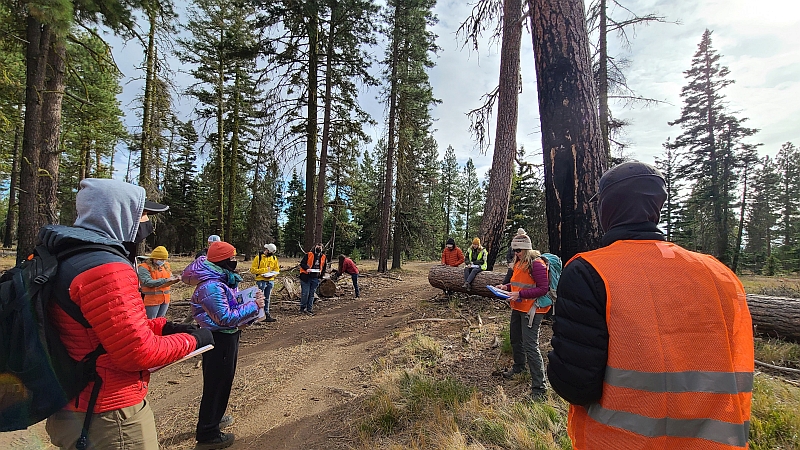
The Cultural and Environmental Resource Management (CERM) graduate program at Central Washington University is a highly interdisciplinary program with a focus on environmental, cultural, and economic resource management. The CERM program bridges the Geography and Anthropology departments at CWU, while also drawing upon economics, law, and policy. As such, the core CERM curriculum includes courses that emphasize resource management topics, environmental law and policy, resource economics, conflict resolution, and resource analysis methodology.
Students can now choose from two in-person degree options on the CWU Ellensburg campus: the 60-credit Master of Science (MS) degree, which requires the completion of a thesis, or the 45-credit Master of Applied Science (MAS), which is project-based. The MAS degree is the first of its kind in the western US and allows students to earn a master’s degree in as little as three academic quarters. We encourage students to take upper-level elective courses pertinent to their interests for their thesis/research projects or future careers. Courses to round out the graduate program can be from a diverse array of departments determined between yourself and your advisor. Click on the links at the bottom of the page to find out more about our curriculum.
Successful completion of the CERM program further qualifies students for management positions in environmental, cultural, and economic resource fields who are able to promote wiser and more effective management of current and future resources. CERM graduates find competitive career tracks in federal, state, Tribal, regional, and private resource management fields.
Thinking of Applying to the CERM Program?
Students in our program work with a primary advisor who will help you pursue your research interests that are in line with your future career and/or academic goals. Your faculty advisor will assist you in course planning, help shape your thesis/project proposal, advise you in putting together a thesis/project committee, and mentor you through your research. Selecting an advisor is similar to selecting your own thesis/project topic. As faculty, we are all specialized in a variety of skills and focus areas. Sometimes we have very specific suggestions for the research that a student will pursue based upon the needs of our own research projects, but other times students develop projects independent of what their advisor's current research projects entail. The best way is to figure out which faculty member should be your primary advisor is to identify what you think you would like to know more about. By narrowing in on what questions and methods you personally are interested in, you can start to find the advisor that best suits you (see our program faculty listed lower on this page).
After you find potential faculty mentors, we highly recommend contacting them via email or phone and chatting with them to find out if they are taking on graduate students. You may also want to ask if they can help you focus your research questions, or if they have a current project in which you could take part. It might also be beneficial to ask if you could talk with some of their current or past graduate students. Once you find a faculty member who you think will be a good advisor, you should highlight that person as a prospective advisor in your application letter and describe how their mentorship will help you achieve your own research/career goals. All incoming students are assigned an advisor who has agreed to work with them. Your thesis/project committee will be comprised of three/two graduate faculty members with complimentary interests to your own. You will work to select your other committee members with your thesis advisor.
Do you have questions about the CERM program and whether it’s right for you? Contact the program director for more information and to set up an in-person visit or video chat!
Dr. Megan Walsh (Geography)
Phone: 509-963-3699
Email: megan.walsh@cwu.edu
CERM Program Faculty
Dr. Hope Amason, PhD, Department of Anthropology and Museum Studies
Dr. Clay Arango, PhD, Department of Biology
Dr. Kevin Archer, PhD, Department of Geography
Dr. John Bowen, PhD, Department of Geography
Dr. Lourdes DeLeon, PhD, Department of Anthropology and Museum Studies
Dr. Steven Hackenberger, PhD, Department of Anthropology and Museum Studies
Dr. Nicole Jastremski, PhD, Department of Anthropology and Museum Studies
Dr. Jennifer Lipton, PhD, Department of Geography
Dr. Patrick Lubinski, PhD, Department of Anthropology and Museum Studies
Dr. Pamela McMullin-Messier, PhD, Department of Sociology
Dr. Michael Pease, PhD, Department of Geography
Dr. Lene Pedersen, PhD, Department of Anthropology and Museum Studies
Dr. Sterling Quinn, PhD, Department of Geography
Dr. Rodrigo F. Rentería-Valencia, PhD, Department of Anthropology and Museum Studies
Dr. Craig Revels, PhD, Department of Geography
Dr. Tony Sipic, PhD, Department of Economics
Dr. Megan Walsh, PhD, Department of Geography
Dr. Chad Wassell, PhD, Department of Economics
Not sure if the CERM program is right for you? Watch a video description of the program from 2022 to help find out!
Degree Options
Cultural and Environmental Resource Management, MS
Cultural and Environmental Resource Management, MAS
Apply
Graduate Studies application page
CWU News
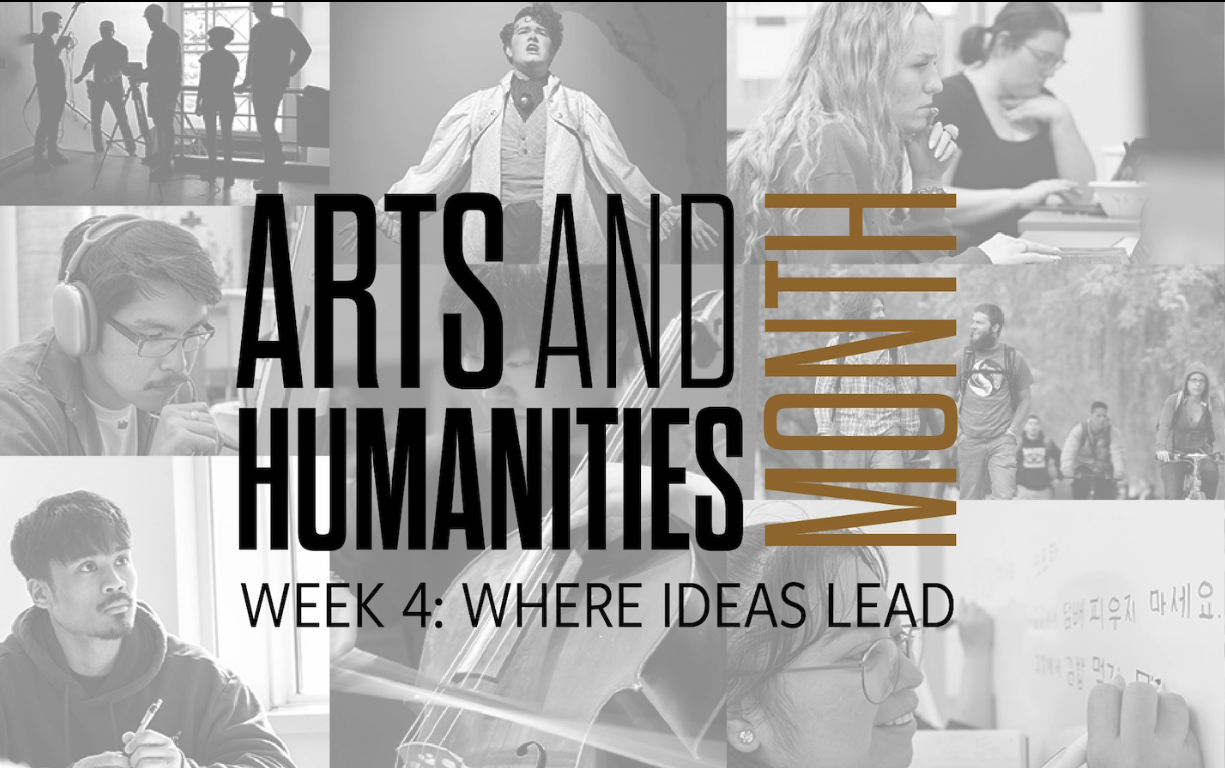
Arts and Humanities Month continues to build momentum
October 21, 2026 by David Leder
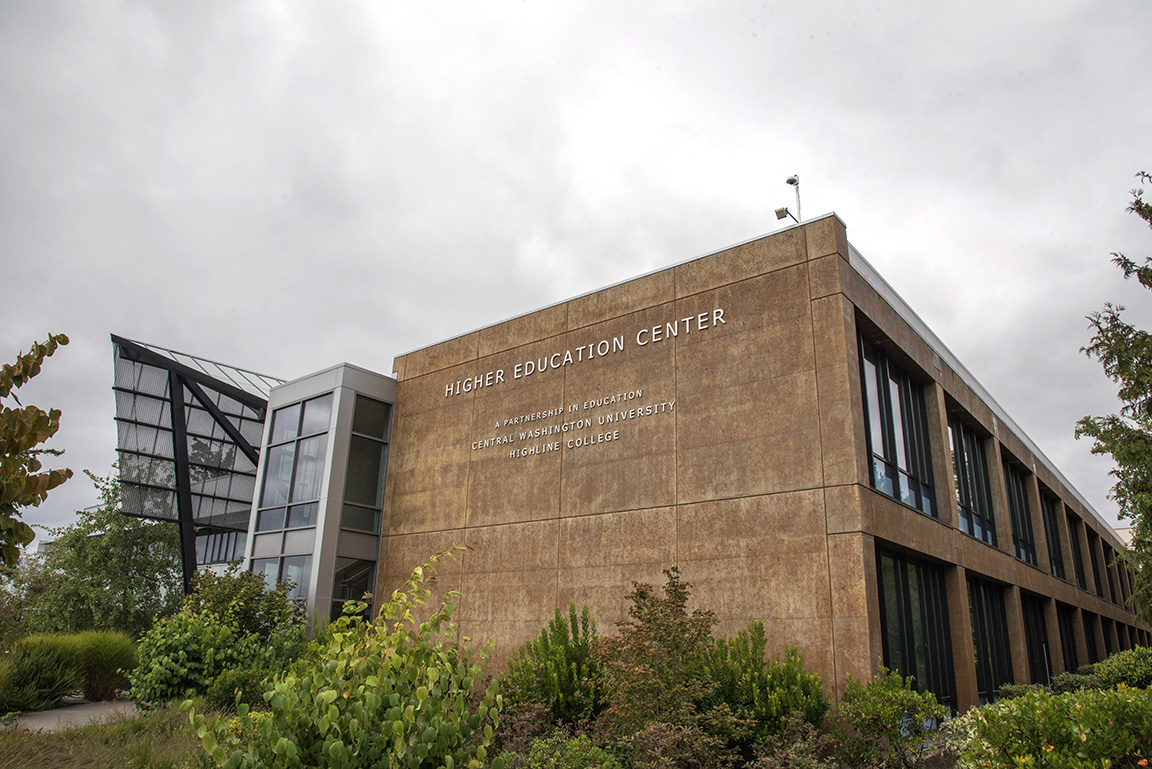
New position at CWU-Des Moines aimed at improving student experiences
October 21, 2026 by David Leder