
CWU General Education
Engage: First Year Experience
During your first year at CWU, we want you to engage with new knowledge, people, and perspectives. Your First Year Experience courses will help you bring multiple approaches, along with intellectual creativity and curiosity, to complex and real-world problems.
You'll also develop enhanced skills in written and spoken communication, as well as in critical thinking and reasoning. In the process, you will take new responsibility for learning and view yourself as an engaged citizen.
-
Academic Writing 1: Outcomes
Academic Writing 1 prepares students with the skills necessary for critical reading and academic writing, including summarizing, reading sources critically and responding to them, synthesizing multiple perspectives, and using academic writing conventions, including grammar and mechanics.
Outcomes:
- Read college-level texts critically and rhetorically—distinguishing central ideas from evidence; identifying the author’s purpose, assumptions, and attitudes; and locating issues or topics in need of further research.
- Summarize college-level texts objectively, accurately, and ethically—referring to all key ideas and excluding unnecessary details.
- Respond to college-level texts—evaluating their reasoning, currency, thoroughness of research, or reliability of findings.
- Synthesize responses to issues, various perspectives on a topic, or solutions to a problem and draw reasonable conclusions based on this synthesis.
- Express ideas in clear and coherent sentences and paragraphs, following the conventions of Academic English—citing sources and demonstrating control of grammar, usage, and punctuation rules.
- Cite and document sources precisely and effectively according to the guidelines of a specific style manual.
-
Quantitative Reasoning: Outcomes
Courses in this category focus on quantitative reasoning and its application. Students will explore various quantitative and statistical processes in order to evaluate and interpret data. Students will develop the ability to identify, analyze, and apply different principles and empirical methods to concrete problems.
Outcomes:
- Explain and interpret information presented in mathematical forms (e.g., equations, graphs, diagrams, tables, basic statistical measures).
- Convert relevant information into various mathematical forms (e.g., equations, graphs, diagrams, tables, basic statistical measures).
- Make judgments and draw appropriate conclusions based on quantitative analysis.
- Make and evaluate assumptions in estimation, modeling, and data analysis.
- Analyze and critique claims involving quantitative information.
- Perform college-level arithmetical and mathematical calculations.
CWU News
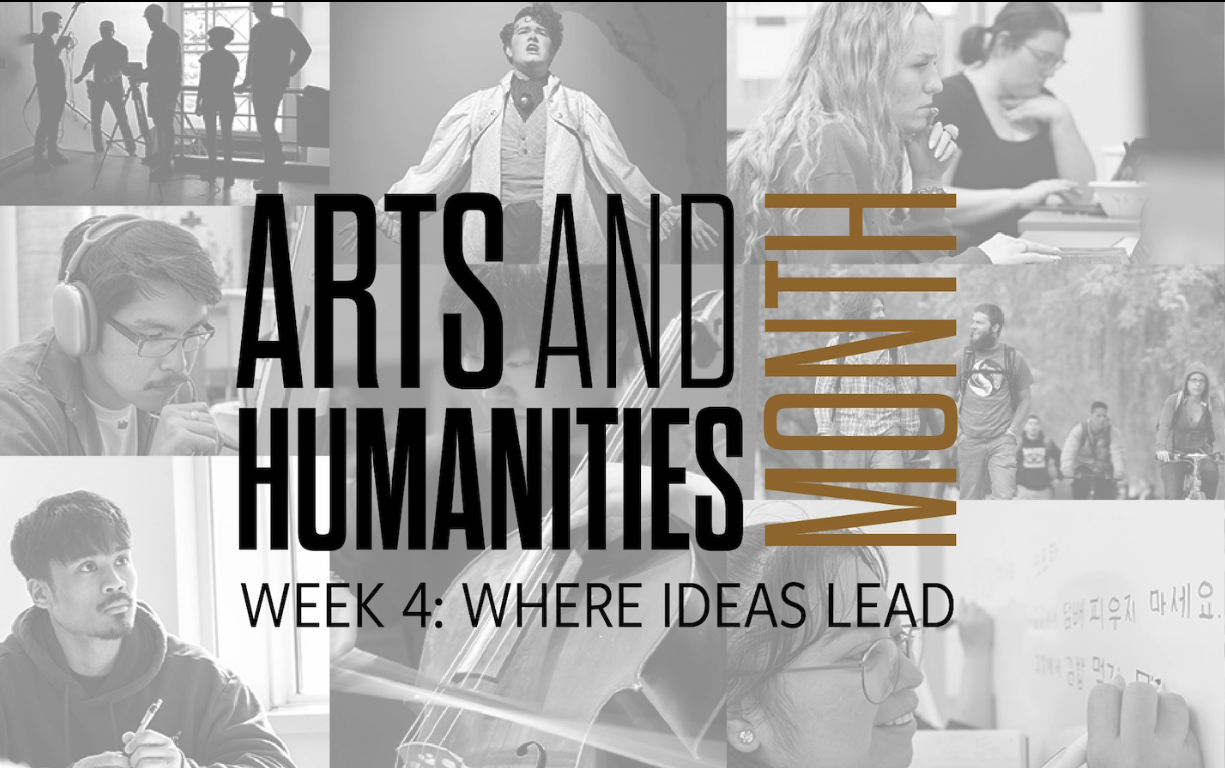
Arts and Humanities Month continues to build momentum
October 21, 2026 by David Leder
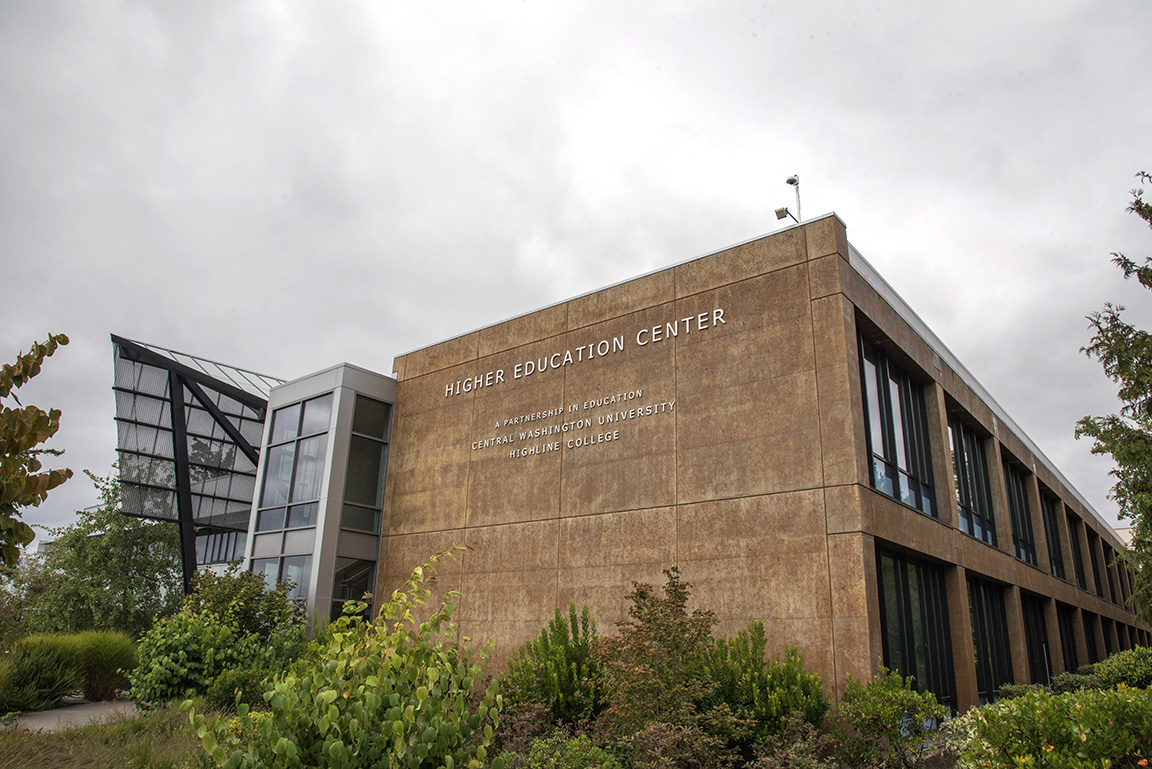
New position at CWU-Des Moines aimed at improving student experiences
October 21, 2026 by David Leder