Behavioral Health BS program helps CWU fill growing need statewide
- October 14, 2026
- David Leder

Psychology majors who are hoping to start their careers in the field without first having to enroll in graduate school now have a new Bachelor of Science degree option available to them at Central Washington University.
The Department of Psychology launched the Behavioral Health BS program this fall in hopes of filling a growing need in the industry and to meet rising demand from students.
Psychology Department Chair Heidi Perez explained that the state Department of Health (DOH) established a behavioral health support specialist certification in January 2025, in response to an increasing demand for mental health professionals.
“Our students have been interested in this type of applied degree for a long time, and the conversation has always been, ‘what can students do with a degree in psychology?’” Perez said. “They can do a lot, but it can be difficult to build a career in psychology without a master’s degree. So we started talking about creating a new degree program to meet that need on the part of students.”
Perez added that the Behavioral Health BS curriculum was developed by a group of CWU faculty members, who worked closely with University of Washington implementation guidelines and DOH rules, as well as CWU processes, to design the program. Prior to that, when the state decided to make behavioral health a priority, Perez and her colleagues saw an opportunity.
“There are a number of similar programs around the state that are already approved through the Department of Health, but as our faculty group started digging into it, more and more information started coming out and we identified some opportunities to help our program stand out,” she said.
The faculty integrated all the evolving details into its plans and figured out how to incorporate those scope changes into the new degree program. It was a long process, but Perez believes her department has created a curriculum that is both unique and industry-relevant.
“There was a lot of robust conversation within our department and we kind of shaped and formed it,” she said. “One of the things that makes it stand out is that it’s more like a graduate degree because the students are placed into cohorts.”
This quarter’s initial cohort is made up of seven students, many of whom were already enrolled in the BS in Psychology program at Central. Lecturer Cindy Myers, who joined the faculty full-time in fall 2025, started recruiting students for the cohort last year, and she is looking forward to building momentum quickly with this new degree offering.
“It's really exciting to me to be able to be a part of launching this new program at Central, because I was there in the field at the beginning when the state was asking, ‘what can we do about this?’” said Myers, who was part of a state task force in 2021 that looked at how to increase mental health providers across the state. “Ever since COVID, there's been a shortage of mental health counselors in Washington state and across the country, and a lot of people have left the field.”
Myers explained that the burning question among task force members was how they could create a program that trains students to use their undergraduate degrees in the mental health field — not doing the skilled clinical work of a counselor, but carrying out a lot of other critical components of the profession.
“Basically, we need more people who can support the clinicians by doing some of these less skilled pieces of the job,” she said.
Myers, who served as a clinical supervisor and licensed counselor in Washington for 28 years, explained that the Behavioral Health BS graduates will be certified to perform initial patient intake evaluations, do certain screenings and assessments, and carry out other essential tasks.
She emphasized that many of these duties don’t require the expertise of a master’s-level clinician, as long as there is a clinical supervisor like herself who is providing supervision.
“They can do brief interventions, they can co-lead groups, they can provide psychoeducation, and they can do some case management tasks, which aren’t intended to be to be primary roles for mental health counselors,” Myers said. “We want our graduates to have the opportunity to do more direct work, which also helps free up the clinicians to work at the top level of their scope, doing things like providing therapy.”
Myers and Perez noted that, for the first couple of years, they will likely be drawing many of their students from the general psychology student population. But that doesn’t mean a student who’s interested in general psychology has to choose between the two.
“They can double-major in psychology and behavioral health, so the new degree is not going to take away from one of our most popular programs at CWU,” Perez said, adding that there is some psychology coursework that they will need to prepare for the behavioral health track.
This requirement means the program will likely work best for students who plan ahead to take the required psychology courses and then enroll in the behavioral health courses during their senior year.
“But it’s also geared well toward transfer students who want to add to their expertise before going out into the professional world,” she said. “Currently, it is being offered only in Ellensburg, but there is a desire to expand beyond the main campus.”
To learn more about the Behavioral Health BS and CWU Psychology’s other offerings, visit the department webpage or email psychology@cwu.edu.
CWU News
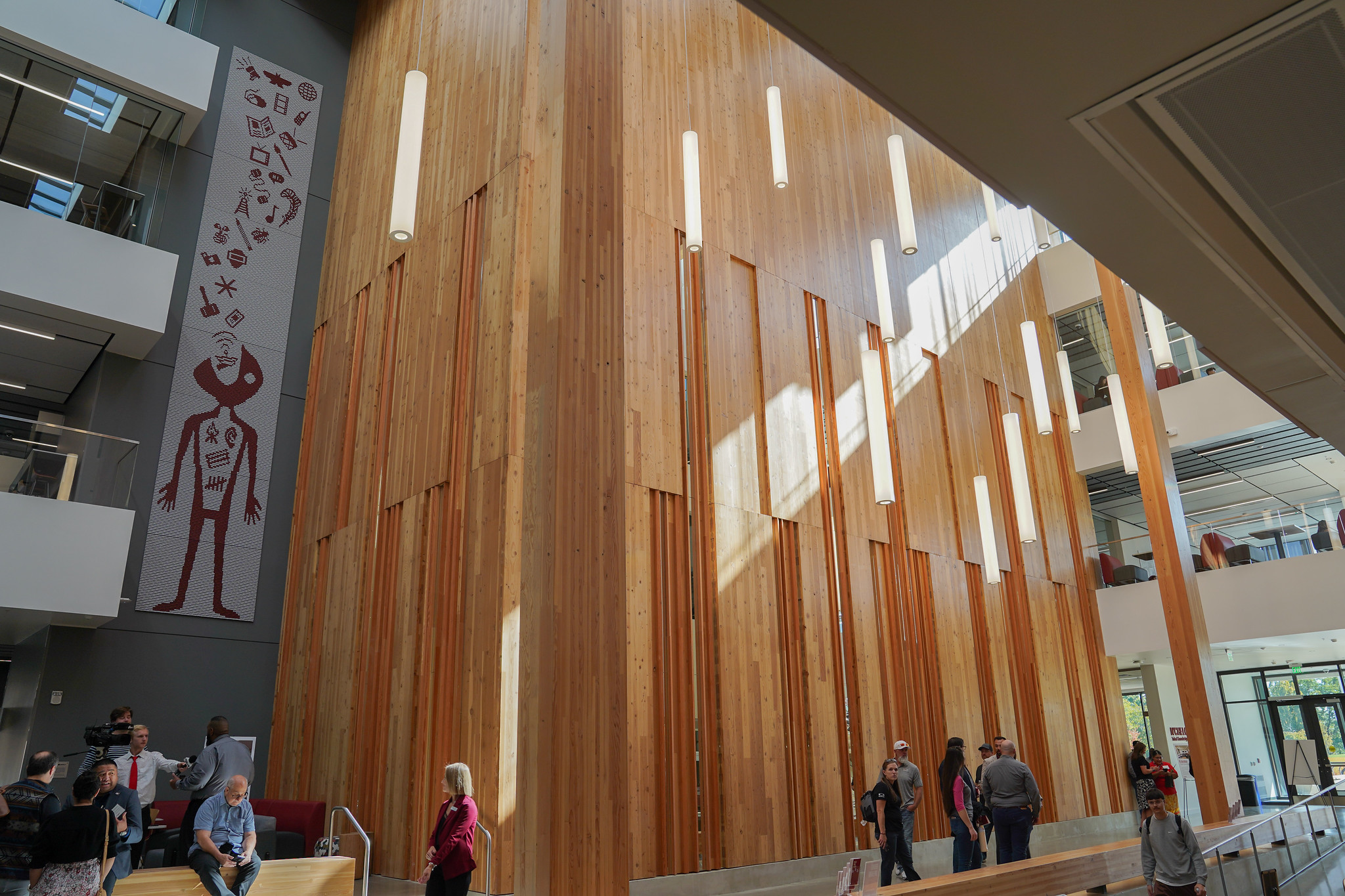
CWU builds statewide profile with unveiling of North Academic Commons
October 12, 2026 by David Leder
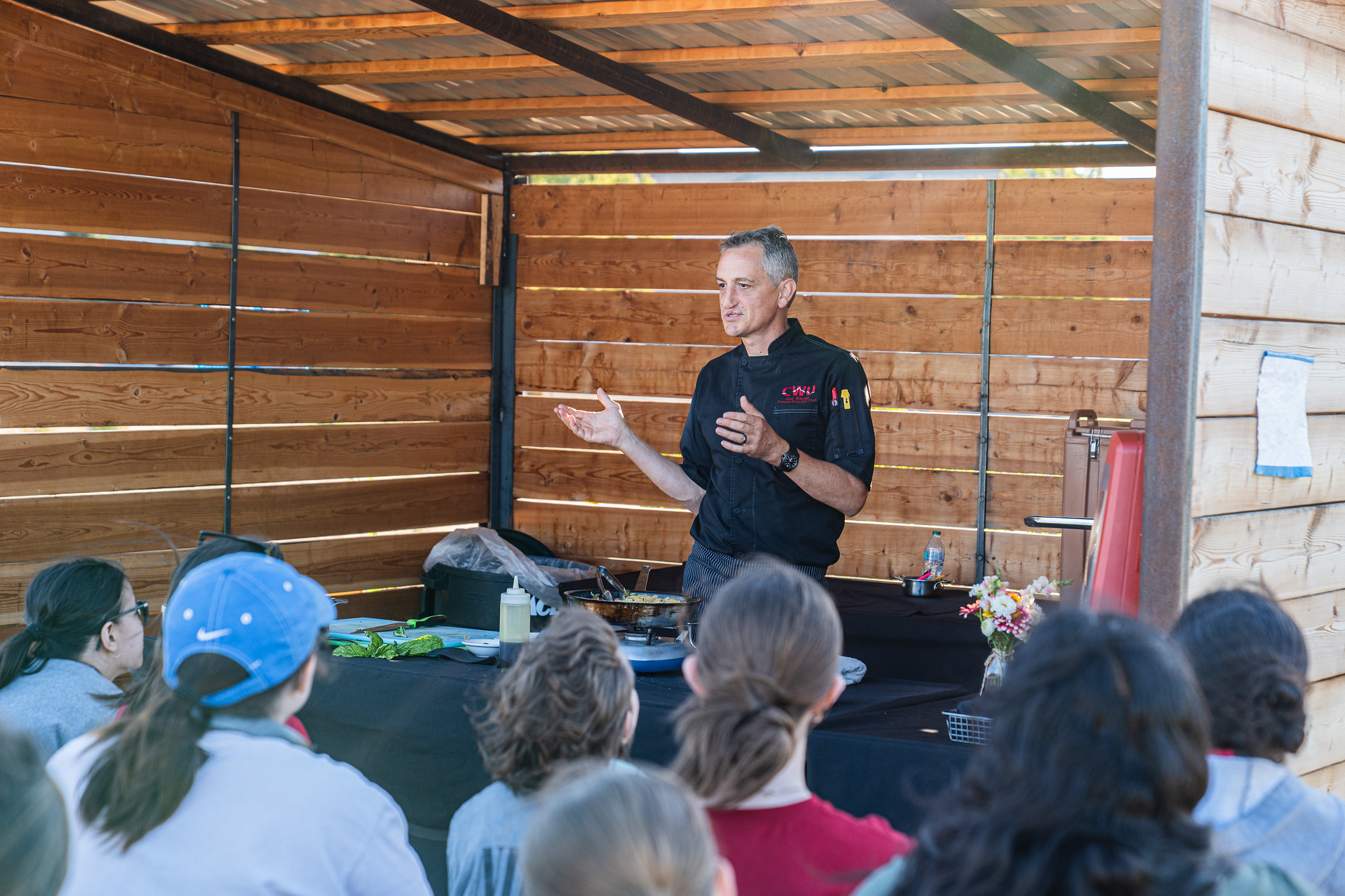
Ellensburg has helped CWU’s Campus Executive Chef reach new heights
September 30, 2026 by David Leder