Transfer Orientation
Everything You Need to Know About Orientation
Welcome, transfer Wildcats!
Transfer Student Orientation (TSO) is your chance to get connected, meet other students, and feel prepared for your next step at CWU. Orientation is required for all incoming transfer students attending the Ellensburg campus.
All incoming transfer Ellensburg students will receive a Transfer Student Orientation fee of $100.00 on their student account at the beginning of the academic year. This Transfer Student Orientation fee will cover the programming, materials, activities, meals, parking, and facilities costs of Transfer Student Orientation.
The Transfer Student Orientation fee is a mandatory fee and can be covered by financial aid or paid like tuition and other fees.
Virtual Orientation
Winter 2027 Virtual Orientation will take place on November 23rd, with the option of an 11am - 1pm or a 4pm - 6pm session. Please visit your applicant portal to register for the event!
Applicant PortalWhat to Expect
During Transfer Student Orientation, you’ll connect with other new and current Wildcats, meet staff, faculty, and campus support teams, and learn about the services, resources, and procedures that will help you succeed at CWU. You’ll also gain helpful wellness strategies and find out how you can contribute to our vibrant campus community.
Transfer Student Orientation 2027 is a two-day activity, taking place on Monday, September 20th from 9:00am - 3:00pm and Tuesday, September 21st from 9:00am - 12:00pm. Our first day focuses on learning about Central, what resources are available to students, and how to make the most of your time here, while our second day is a chance to learn about your academic department, meet faculty and staff, and more! Please view our Transfer Orientation Schedule below!
Advising is handled separately from Transfer Student Orientation. Need help scheduling your advising appointment? Schedule an Appointment with Your Advisor.
Virtual Orientation
Fall 2026 Virtual Orientation has now passed! For our Online and University Center students, we recorded our 2-hour Zoom event that covered academic procedures, resources, and much more. Please visit our Virtual Orientation homepage to view the recording.
Join Us at Transfer Student Orientation
Fall 2027 Ellensburg students, please join us for Transfer Student Orientation on campus. Get connected and ready for your next step! More information announced in Spring 2027!
Register now!CWU News

Arts and Humanities Month continues to build momentum
October 21, 2026 by David Leder
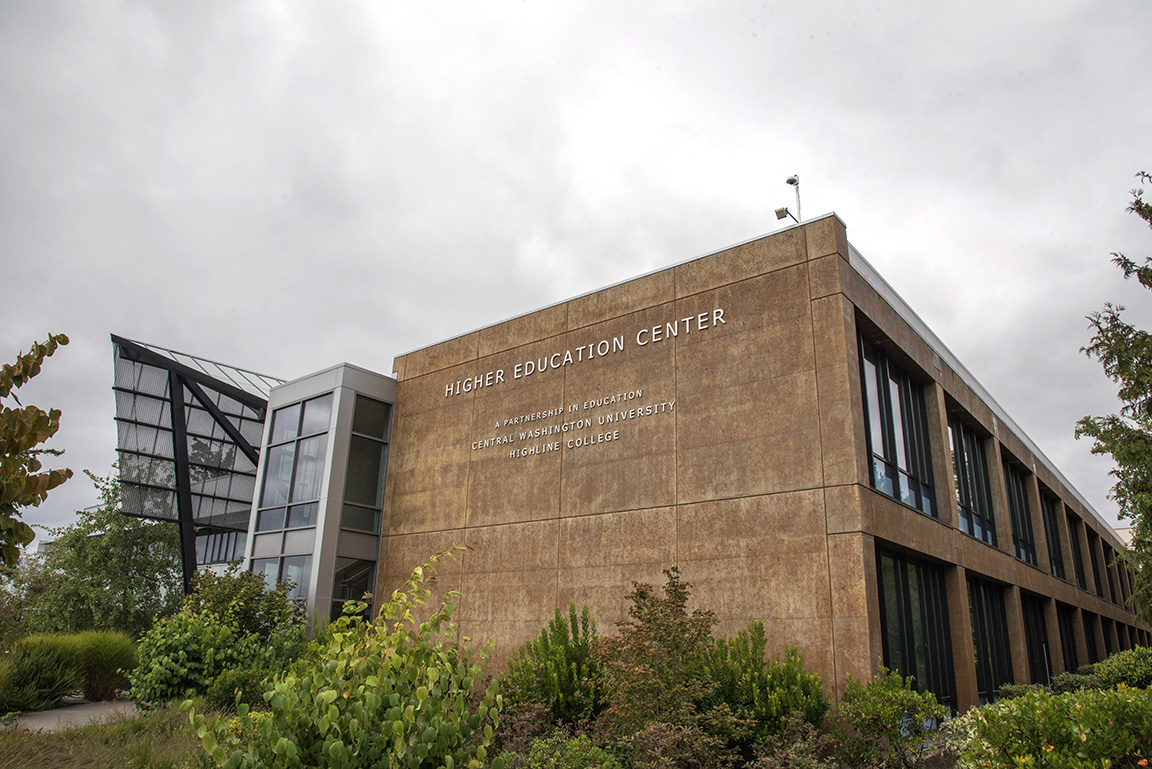
New position at CWU-Des Moines aimed at improving student experiences
October 21, 2026 by David Leder
Take the Next Step
Questions? Contact Us.
Orientation and Transition Programs
Bouillon 202