College of the Sciences
Primate Behavior
Master of Science | Graduate
Master of Science in Primate Behavior
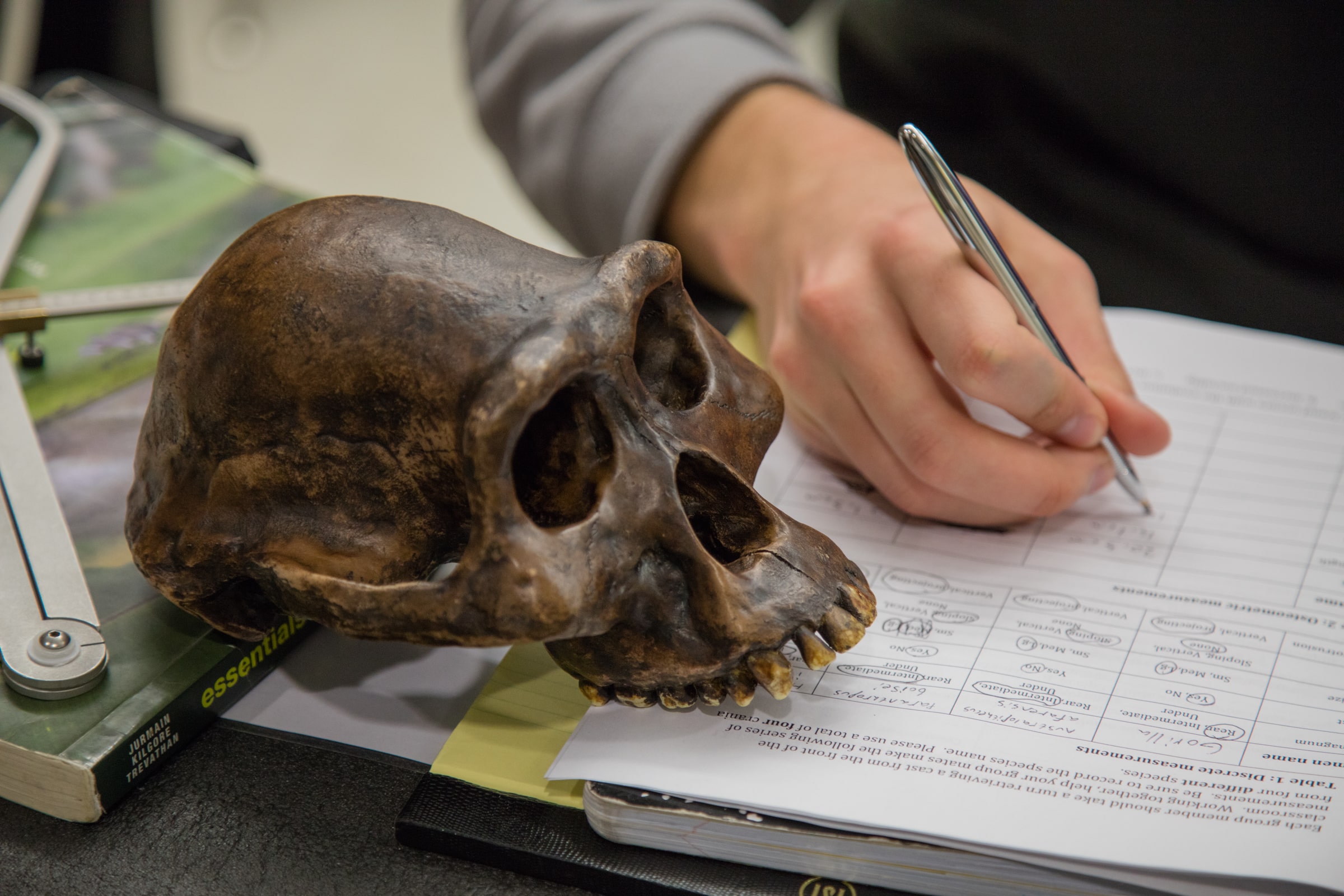
In the Primate Behavior graduate program, venture into the study of primate behavior, going beyond textbooks and classrooms into the real-world environments where primates thrive.
Although the program focuses on primatology, many theories and methodologies like evolutionary theory and comparative psychology are utilized throughout this program, so you graduated equipped with the tools to succeed. We focus on humane, noninvasive behavioral research with primates, emphasizing ethics in primatology and the importance of biodiversity. In our program, you are not just learning about primates but shaping the future of their conservation.
Questions? Contact Us.
Dr. Lori Sheeran and Dr. Jessica Mayhew, Co-Directors, Primate Behavior Programs
penelope.anderson@cwu.edu
(509)-963-3201
You belong here
What You'll Study
Academic Catalog | Primate Behavior Department Website
Required Courses Credits: 30
- PRIM 503 - Current Issues in Primatology
- PRIM 504 - Primate Culture and Cognition
- PRIM 505 - Ethnoprimatology
- PRIM 506 - Survey of the Primates
- PRIM 513 - Research Methods in Primatology
- PRIM 514 - Research Design in Primatology
- PRIM 700 - Master’s Thesis, Project Study, and/or Examination
Department-approved Electives Credits: 18

Plan Your Path
Collaborate closely with a faculty member to develop specific projects relating to your interests. These studies may be carried out using video archives, and observational studies at zoos/sanctuaries or in the field.

Essential Skills
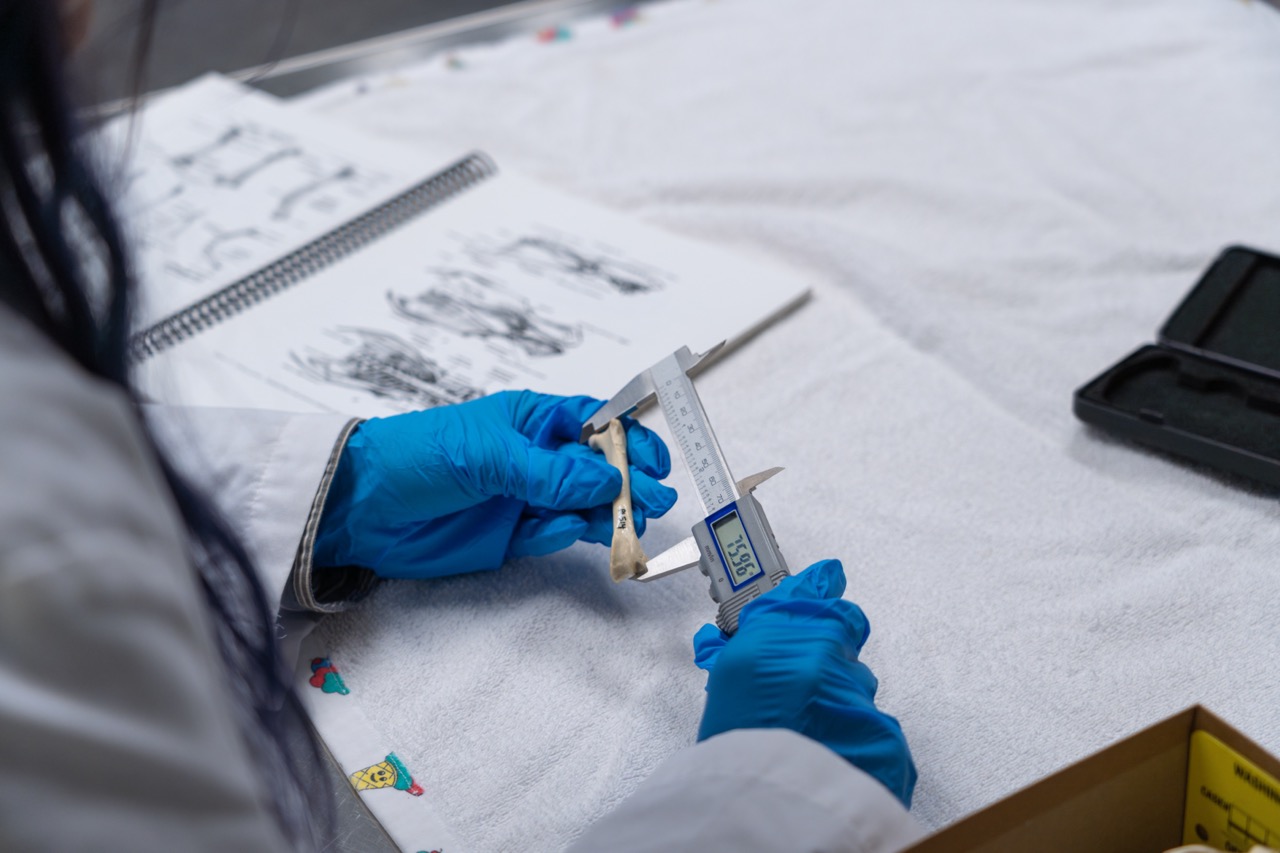
Expect coursework in research design, methodology and data analysis, ethnoprimatology, primate culture and cognition, along with additional elective courses specific to your interests.

Work with Experts
The CWU MS degree is interdisciplinary, allowing students to work with primatologists, anthropologists, biologists, psychologists, and philosophers to develop specific research projects.

Primate Culture and Cognition
In PRIM 504 you’ll cover topics in primate social behavior, intelligence, learning processes, communication and culture.

Apply
Discover how to apply to your program of choice at Central.

Financial Aid
Our Financial Aid staff are here to help you navigate financial aid.

Student Life
Pursue your interests in a supportive community. Learn more.

Visit
The best way to discover what makes CWU so special is to experience it yourself.
Courses
Classes are offered as a mix of in-person, online, and hybrid formats.
and Only
CWU offers the only MS in Primate Behavior in Washington State and the country.
Encounters
The Chimpanzee Sanctuary Northwest is located approximately 30 miles west of campus, providing volunteer and job opportunities.
Why Study Primate Behavior at Central?
The interdisciplinary nature of the program prepares students for a variety of career paths and for graduate programs (Ph.D) in primatology.
CWU has the only Captive Care Certificate that requires an internship working with nonhuman primates either in a zoo or sanctuary.
You’ll gain the skills to contribute to wildlife conservation, habitat management, and environmental education and research, playing a critical role in protecting biodiversity and ensuring the sustainable coexistence of wildlife and ecosystems.
Pursue a meaningful research project that aligns with your interests in primatology and will prepare you for future goals.
Experience personalized guidance and mentorship from our close-knit department and small class sizes with only 20-25 students.
Potential Careers
Animal caretaker at zoo/sanctuary
Behavior specialist at research facility/zoo
Conservation management
Environmental agencies
Research scientist
Academic advisor
Program coordinator for animal use programs
Data analysis