Biology
Biology Undergraduate Program
Discover a range of programs designed to inspire creativity, build expertise, and prepare you for a successful career in Biology.
Students pursuing an undergraduate Biology degree at CWU can earn a Bachelor of Science major (Biology B.S.), Bachelor of Arts major (Biology B.A.), or a Biology minor. Those pursuing a Biology B.S. major must pick one of the four B.S. degree specializations.
CWU also offers the option of a Biological Sciences Combined B.S. / M.S. Pathway for undergraduate students progressing to our Biology Graduate program to obtain a Master of Science in Biology degree.
See the current CWU Catalog for a breakdown of coursework for each degree option.
Bachelor of Science Degree (B.S.) and Specializations
-
B.S., General Specialization
This is the broadest BS specialization. You can take courses from all five course groups and select from a large range of electives. This specialization prepares you for immediate entrance into careers in biological sciences or for some graduate and professional schools, such as veterinary school (see Health Career Resources for more information).
-
B.S., Biomedical Science Specialization
The Biomedical Science Specialization serves students that are interested in pursuing careers in human health (medicine, dentistry, optometry, physical therapy, pharmacy) and veterinary medicine. This specialization allows for the study of human biology, together with a core of fundamental physical science principals (chemistry and physics). Students apply these physical principals to the study of biological systems, which is an essential requirement of professional health programs in medicine, dentistry, optometry, physical therapy, pre-pharmacy and physician assistant programs (see Health Career Resources for more information).
-
B.S., Ecology and Evolutionary Biology Specialization
Ecology is the study of how organisms interact with their physical and biological environment. Evolution considers how populations change over time to generate the rich diversity of life on earth and is the unifying theory of biology. The Ecology and Evolution Specialization is designed for students broadly interested in basic and applied biology, natural resource management, agriculture, ecological restoration, conservation biology, disease dynamics, animal behavior, and biological research. Students following this specialization will gain experience in natural history, field research, and experimental design. Potential careers may be found in federal, state, and tribal agencies, private environmental consulting firms, research laboratories, and natural history museums. Students interested in graduate study should work closely with their advisor and faculty mentor to tailor this specialization to their particular field of interest.
Biology, B.S.--Ecology and Evolutionary Biology Specialization Coursework
-
B.S., Molecular and Cell Biology Specialization
Molecular and Cell Biology is the study of fundamental processes that form the basis of biological life and the techniques used to study these processes. The study of molecular and cell biology facilitates understanding of a wide variety of disciplines, including genetics, developmental biology, physiology, and evolution of organisms. The goal of the MCB emphasis is to prepare graduates to be competitive in applications for entry into graduate degree programs, professional programs in the biomedical fields, or jobs in biomedical/agricultural research labs in government and industry.
Biology, B.S.--Molecular and Cell Biology Specialization Coursework
Bachelor of Arts
-
Biology, B.A.
The B.A. degree program is designed for students preparing to incorporate biology into broader careers such as teaching, certain health sciences (e.g., physician assistant, nursing, physical therapist), business, or law. It is also the appropriate major for students seeking endorsement in teaching high school biology.
-
Teaching Endorsement
The B.A. in Biology partially satisfies the criteria for a teaching endorsement in Biology (5-12), qualifying students to teach biology at the high school, middle, or junior high levels. Students who successfully complete the Biology B.A. and STEM Teaching Program Major are eligible to apply for Washington State teacher certification.
Although most students pursuing high school biology teaching complete the Biology B.A., students may also do any of the Biology B.S. degrees with the STEM Teaching Program Major for teaching certification and endorsement in biology.
- Learn about the program at CWU Teach STEM
- Teaching endorsement students should set up an appointment with the STEM Teaching Advisor
- Recommended group courses for Biology B.A. with STEM Teaching
- Current Course Requirements Chart
Biology Minor
A Biology Minor provides you with a comprehensive foundation in the fundamental principles of biology, covering essential topics such as genetics, ecology, and physiology through a combination of lectures and hands-on laboratory experiences.
Not available to biology majors. General education biology courses and biology courses designed for majors outside of the department may not be used to fulfill Biology BS, Biology BA, or minor requirements. Please read course descriptions for details. Courses used as electives are approved by department advisement.
CWU News
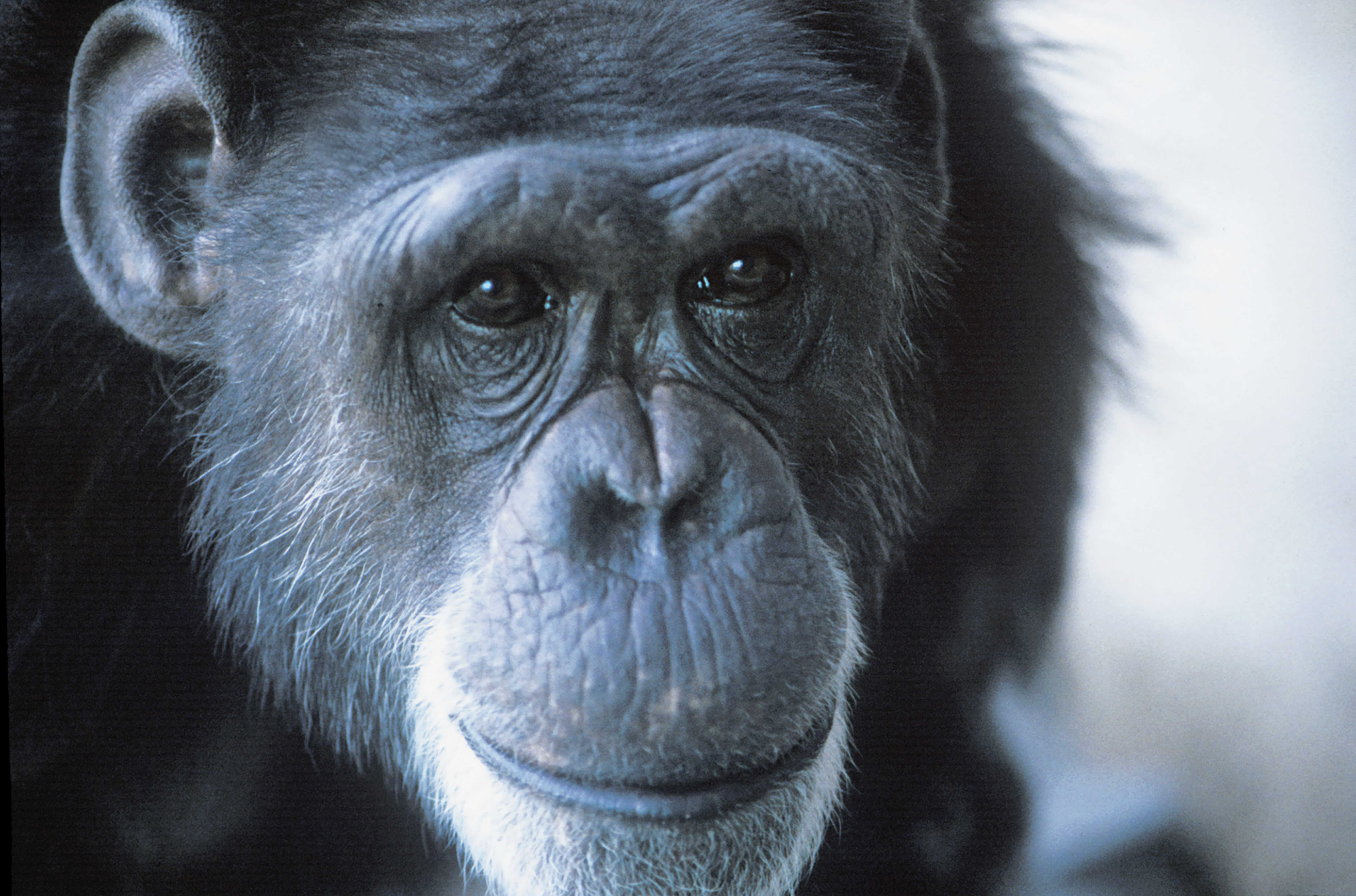
Washoe’s story featured on BBC international broadcast
October 19, 2026 by Rune Torgersen

Award-winning poet and speaker to visit CWU on October 27-28
October 19, 2026 by Marketing and Communications
Questions? Contact Us.
Department of Biological Sciences
Science Building, Room 338
Dr. Clay Arango
(509) 963-3163
arangoc@cwu.edu