Summer CSA program provides fresh food, fresh opportunities to CWU community
- September 9, 2026
- Tran Nha Pham
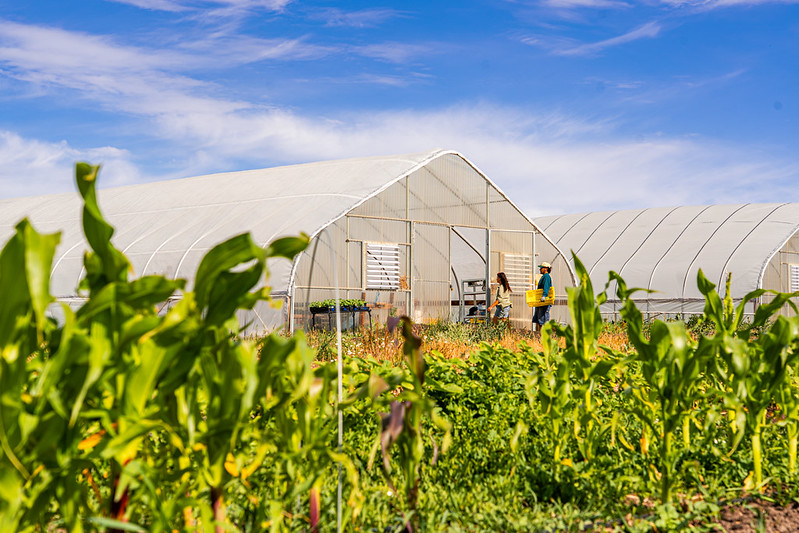
Over the past four years, the Community Supported Agriculture (CSA) program managed and facilitated by the Wildcat Farm has steadily expanded, creating opportunities for the CWU and local community to enjoy fresh, organic, high-quality, nutritious, locally grown produce.
After conducting a pilot in the fall of 2023 with five participants, the CSA program has expanded over the past two years, adding a summer season offering in 2024.
This year’s summer CSA program served 10 participants over eight weeks, providing CWU students, faculty, staff, and local community members with different assortments of freshly harvested vegetables each week. After completing a successful summer, the Farm is preparing to welcome even more participants in the fall.
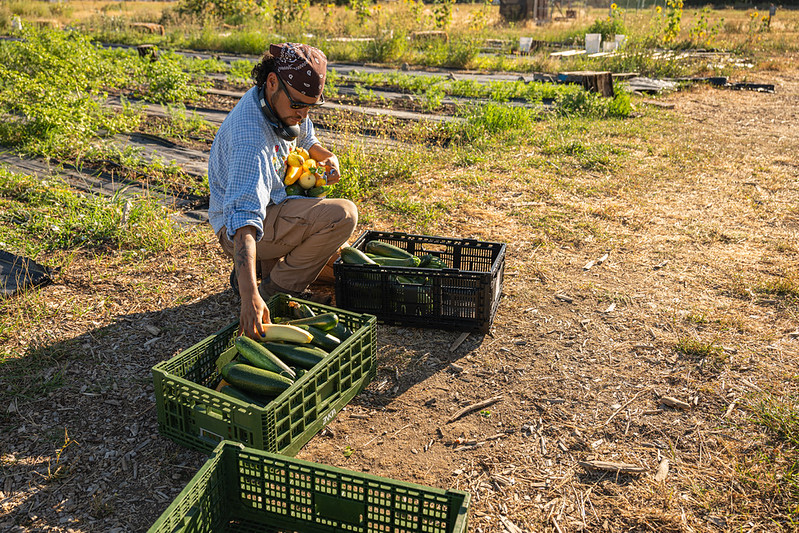
"We started really small, with only five participants, and now we have 10. And next year, hopefully 15, maybe 20 participants," said outgoing Wildcat Farm Manager Kaitlyn Flesher. "We add more people every single year."
This summer’s CSA program took place from July 8 to August 26, providing a weekly produce box to all 10 participants every Wednesday.
Because there are a limited number of shares for each season, participants are often chosen through a drawing. The total price for the eight-week summer share is $250 per person for non-students, and $175 per person for students. The discount for students allows them to access more fresh, local, and organic food at an affordable price.
According to Flesher, affordability is a significant factor in the program's growth. She explained that organic food is often more expensive, creating a challenge for students seeking healthier food options.
"We really want to make access to local organic food equitable so that everybody has equal access to it," Flesher said.
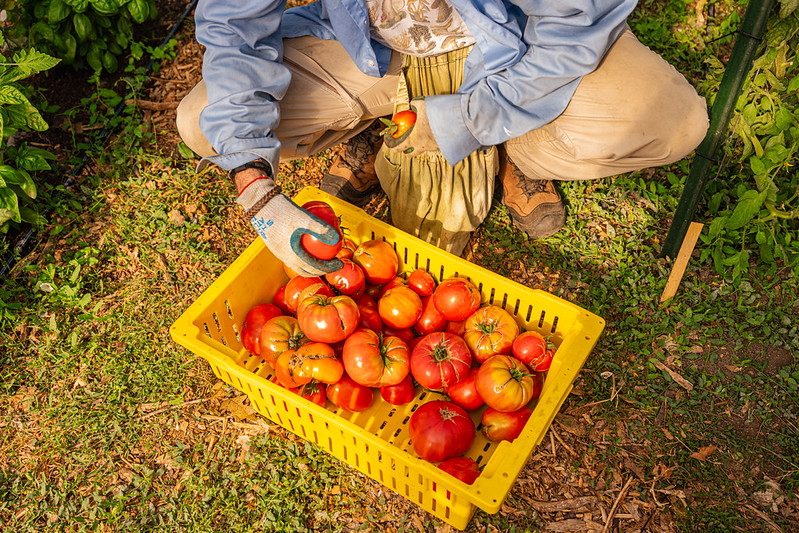
Another key advantage of the CSA program is that it exposes CWU students to food varieties that they have not discovered before. Each week, their CSA box is prepared with a mix of familiar vegetables, such as carrots, potatoes, onions, garlic, beans, and tomatoes, along with some uncommon items like okra, eggplant, ground cherries, and special seasonal produce.
"For CSA, we get to be creative and incorporate a few different vegetables that may not be useful for things like Dining Services, but it's fun for people to experience," Flesher said.
Improvements Through Feedback
The evolution of the CSA program does not merely rely on increasing engagement. In particular, the CSA organizers make adjustments based on the feedback received from participants, with a goal of delivering them positive experiences.
Flesher talked about another program enhancement called the "swap box." The CSA program recognizes that the participants have different preferences in their taste, thus they offer the extra box for participants so they can exchange the items that they might not want or use for different options. For instance, participants can swap a zucchini for tomatoes if they do not like zucchini.
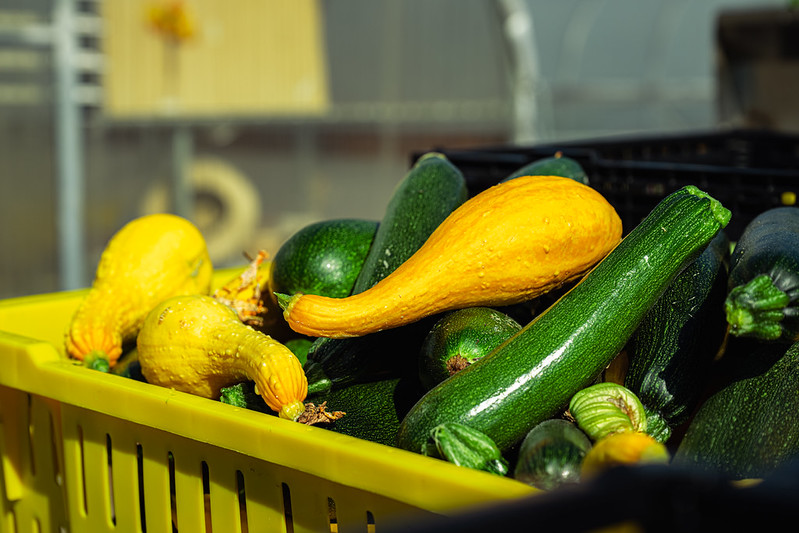
"One way it has changed is every year we ask for feedback from our participants. 'What did you like? What didn't you like?'" Flesher said. "And one thing we hear is some people like a certain vegetable, others don't."
This kind of flexibility adds value to the CSA program by upholding its focus on sustainability by avoiding food waste while allowing participants to take home the products that meet their needs.
The process of creating CSA share box requires more than just putting a bunch of vegetables inside, according to Deanté Barry, the newly hired Farm Production Lead at the Wildcat Farm.
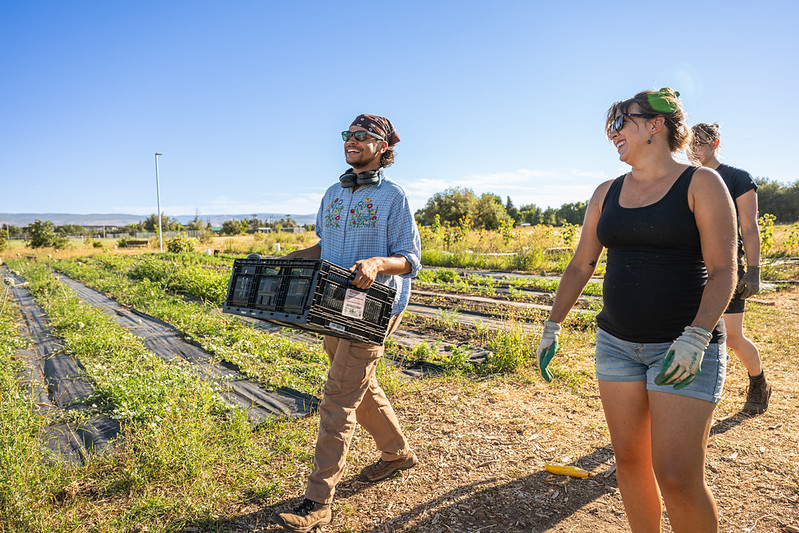
Every Monday, the student farmers and staff walk around the Farm to evaluate the assortment of vegetables growing, which ones are not, along with which crops are ready to harvest. Then on Wednesday — the same day that participants are called to pick up their CSA boxes — the staff will determine the right time to harvest the vegetables to preserve their freshness.
"On that Wednesday we made a list based on what we did this week,” Barry said. “We did things like tomatoes, potatoes, carrots, bell peppers and things like that, which are all hardly able to take a little time in the heat. So, we harvest those first in the morning.
"We also had things like basil and chives, which are more of a leafy green. So, if you leave it in the sun, they wilt, which is not good," he added. "We usually try to be smart and harvest things later in the day and we put those things in ice, just eat them as fresh as possible."
Barry emphasized that the Farm team does not want to create an oversupply of certain foods. To avoid a glut, the Farm staff cautiously tracks the food that participants might not consume from the previous week (or the types of food that can remain fresh longer). Then they will add the appropriate amount of products to ensure they are sufficient for consumption.
To keep program participants abreast of what’s happening with the CSA program, the Farm staff provides a weekly newsletter about all the products inside the box, along with the staff's contact information. They also include food recipes to help guide participants on how to cook these items.
Barry sees this aspect as a meaningful aspect of the CSA program. He believes these experiences give participants opportunities to be more creative in their cooking.
"Food is the great connector of everything; everyone needs it, everyone loves food," Barry said.
Additionally, the CSA program indirectly advocates diversity and cultural integration because it allows participants to utilize the ingredients to cook the food based on their preferences, interests, cultural backgrounds, and personal experiences. Additionally, CSA program often includes unfamiliar products in the weekly boxes, which helps participants try new food varieties.
"I really just like hearing what people do with the food specifically because so many people have so many different cultures and ideas,” Barry said. “I love hearing people trying new vegetables and new things that they haven't heard of yet. It is an interesting process, and it's also a learning opportunity for people."
Enhancing Student Knowledge
One of the primary benefits of the CSA program is that it helps students raise their awareness of the origin and the production of the food they consume.
Rather than buying food without knowing where it comes from or how it was harvested, CSA participants can enjoy organic food that comes from the campus farm, which ensures safety and freshness.
Plus, when visiting the farm at the intersection of North Alder Street and East 14th Avenue, the CSA participants can communicate with the staff to learn about the food-growing process and agriculture in general.
"I think it's really made me think a lot harder about where my food comes from and meaningfully cooking with that," Barry said.
For him, the true value of the CSA program is not only about providing a box full of premium products; it also educates participants about the local food systems, about the challenges of cultivation, and helps them deepen their understanding of farming and vegetable varieties.
Students who work with, or are interested in working with, the CSA program can build hands-on experience by growing and harvesting crops and preparing products that serve both CWU students and Ellensburg community.
"Before getting this job as a farmer, I didn't really think about where my produce and food came from," Barry said. "This experience made me think a lot harder, as I'm not going to waste what someone's done by taking so much time and effort away."
He also believes the CSA program has succeeded in its goal of extending the value of fresh produce to more people in the campus and local community.
"Personally, I think people are just getting interested in agriculture in general and I think it's also sparking that interest into wanting to do it themselves which I think is a phenomenal thing," Barry said.
Fall CSA Program
The CSA program will continue in the fall quarter and the staff has increased the number of participants to 15 people for the six-week season.
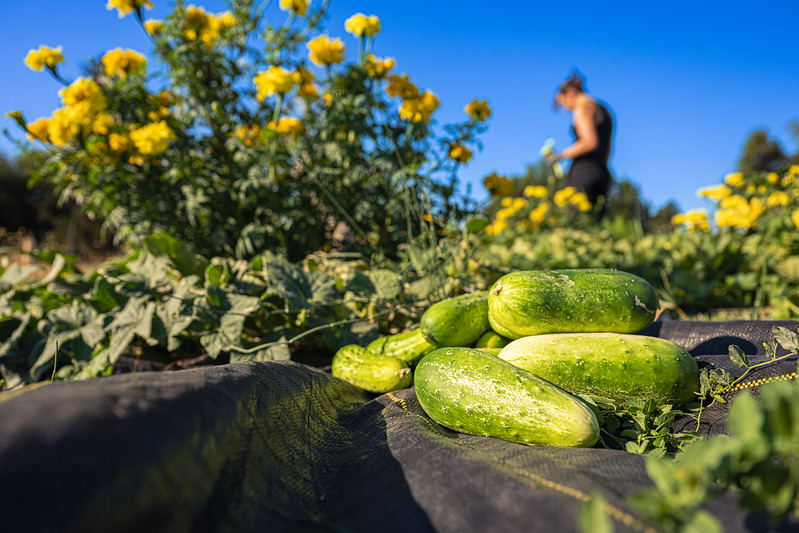
CSA participants will be offered diverse seasonal produce, such as winter squash, carrots, beets, pumpkins or any vegetables — those that can be conserved and used during the winter.
"One of my favorite parts about the fall CSA is that people get even more variety than in the summer," said Flesher, whose last day at the Farm was September 4.
She encourages CWU students to engage in the fall program, seeing it as a precious opportunity for them to broaden their knowledge of local agriculture, learn more about vegetables, and discover new ways to buy fresh, organic produce.
"It's beneficial because, again, they're eating food that is grown locally and organically," Flesher said. "It's good for your body and it's good for your soul, if you are a person that is passionate about sustainability and reducing our impact on the climate and the earth."
To learn more about upcoming events happening at the Farm this fall, visit the CWU Sustainability webpage and Instagram page.
The CWU community is also encouraged to sign up for the Farm newsletter.
CWU News

Washoe’s story featured on BBC international broadcast
October 19, 2026 by Rune Torgersen

Award-winning poet and speaker to visit CWU on October 27-28
October 19, 2026 by Marketing and Communications