Creating Art, Inspiring People: The Story of Blue Bear Puppet Lab
- July 27, 2026
- Tran Nha Pham
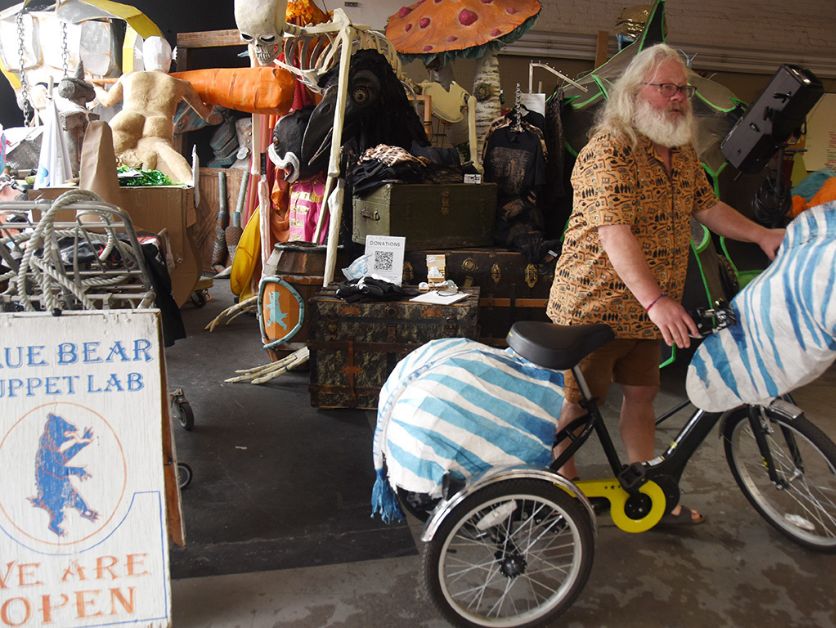
Wandering down North Main Street in downtown Ellensburg, visitors' attention may be drawn to the gigantic, colorful puppets on display in the window of the Blue Bear Puppet Lab.
Inside, the space buzzes with artistic appeal. On the ground, there are various types of puppet structural frames, paint, textures, and materials that intermingle with the creativity and the imagination of volunteers. Their goal is to create fun, inviting puppets that can be displayed at public performances and local celebrations.
The Blue Bear Puppet Lab is not merely a puppet exhibition, however. It is a non-profit organization founded by Central Washington University Art + Design Professor Brian Kooser, a place that welcomes the engagement of students, volunteers, families, artists and other local residents. The volunteers often collaborate to create art in a way that demonstrates how art connects and unites people regardless of their differences.
"I love the idea of having it serve the community and introduce the ideas of original artwork, something that isn't basically owned by Disney that our community can see from a young age," Kooser said. "Young people are seeing something that's original, giving them the understanding that they can make something of their own — that they don't have to just copy what's already out there."
Art Should Not Be Restrained
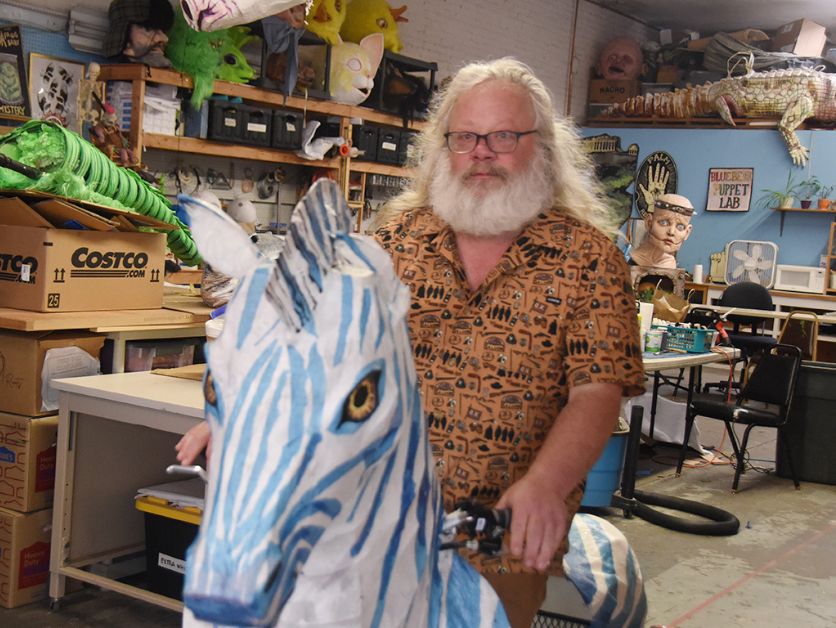
Kooser has extensive experience in creating and performing puppetry, with more than 30 years dedicated to the field. Being both a puppet artist and a professor gives him a unique approach to conveying knowledge to others.
The way he sees it, making art should not be constrained by academic performance, evaluation, and grading. This subjectivity is one of the reasons he introduced the Blue Bear Puppet Lab in 2018, which originated from his idea of creating a place where people can be free to learn and create art.
"My teaching at Central Washington University and my teaching at the puppet lab inform each other," Kooser said. "What I learned from one, I can apply to the other. One difference is that when people come in here, I don't have to grade them and so they don't have to jump through any hoops. They can walk out at any time and it doesn't affect their lives at all."
Kooser believes part of the learning process is failing and learning from our mistakes. One of the key tenets of his teaching philosophy is learning through practice, not simply crafting exceptional artwork.
On that account, his lab is open to anyone who is willing to make mistakes, take risks, learn from others and improve themselves. When newbies first visit the lab, they will be approached and welcomed with a "here, hold this" attitude. Kooser always offers to assist everyone from beginners to experienced artists, so they can gradually ease into the creative process and build confidence before carrying out their own projects.
"In this particular field mistakes are just a part of the learning process," he said. "Everybody that works here is perfectly willing to help somebody else. They'll come in and help them out in the areas that they may not have strength yet until they're more capable of doing those things."
The Blue Bear Puppet Lab’s inclusive and encouraging environment serves as a catalyst for personal transformation and professional development.
Kooser shared an example about a former volunteer at the lab who decided to continue making puppets even though she was pursuing a degree in fashion design at CWU. After a while, she developed a passion for puppetry, and she mingled all her knowledge and experiences from fashion design into puppet-making.
Over time, her puppet designs reflected her strong proficiency in numerous domains, including costume design, texture combination, photography, sculpture, and coloring. These skills can be difficult to master, and her fashion design experiences helped pave the way to puppet-making success.
"Every piece that she creates is outstanding." Kooser said. "She's just got a real flair for her understanding of fashion also helps because she knows a lot about pattern making and she knows a lot about color and how that works the same sorts of ideas but rather than making garments she's making puppets."
Beyond The Puppet Frame
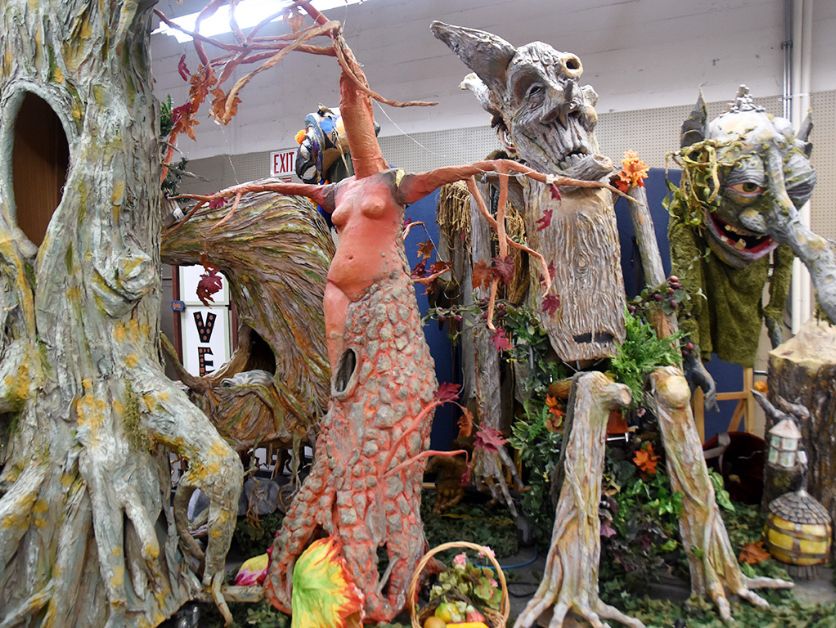
One of the most fascinating aspects about Blue Bear Puppet Lab is that it doesn’t merely produce towering puppetry characters; it creates puppets and puppet accessories of all shapes and sizes.
Each season inspires the puppet artists to adjust their work to fit the expectations of the public, whether it’s making masks, stage sets and scenery, theatrical props, or enormous sculptures for local business or organizations.
Additionally, students, volunteers, and organizations often utilize familiar objects such as bicycles, lamps, and chairs as the equipment or materials, transforming them into puppets' control rods, handles or part of the characters' mechanisms.
The lab's projects vary from constructing theatrical stage sets for the Valley Theatre Company play “The Addams Family” to gigantic puppet characters used for public celebrations, such as the Buskers in the Burg, Kittitas County Pride, the First Friday Art Walk, and parades.
For Kooser, puppetry is a unique art form with strong storytelling potential that cannot be entirely replicated by other types of art.
"It is not a static art form; it is one that is moving," he said. "We have the opportunity to use music language and movement. We can create characters that look any way that we need them to look to deliver the message that we want to deliver."
The art of building and creating puppets is intricate, because it not only demands the precision of the artists, but also the ways they deliver the meanings and messages through their characters.
Similarly to humans, each puppets carries a distinct personality, and become livelier through narration, movement, and imagination.
A Place for Creativity and Belonging
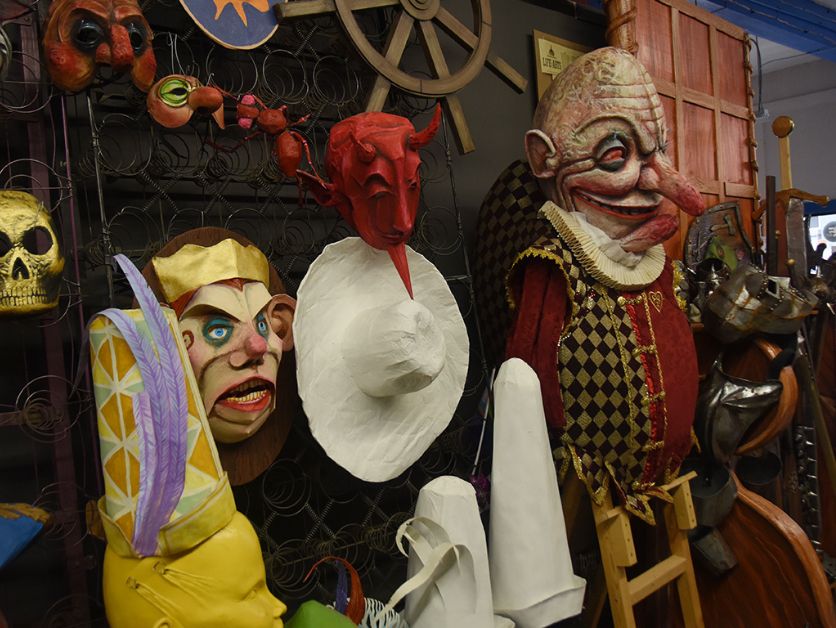
Beyond the hands-on learning opportunities, the Blue Bear Puppet Lab offers its students a place for self-development, career exploration, and creative self-discovery.
When people visit the lab, they tend to select the tasks that supplement their strengths. For instance, graphic design students lean toward creating advertising materials, while the marketing students opt to conduct promotional initiatives to amplify the organization's brand and community involvement.
Others might focus on puppetry performance, sculpture-making, painting, or structural fabrication. Beyond contributing to local events, they also seek more exposure by displaying their work in larger markets such as Seattle.
"If they're doing an internship, it depends on what they're studying," Kooser said. "We've had a couple of interns that work specifically with graphic art, and we would take advantage of that set of skills to help us make posters or do other things online; to give them the opportunity to use their skill but also give us a better set of imagery that we can work with if they are interning with something else."
Kooser wants the students and volunteers who engage in the lab's activities to gain valuable insights that will help advance their career goals. He encourages students to seek academic and professional opportunities and grasp them quickly.
Instead of steering students toward a particular career path, he motivates students to embrace new things, take risks, learn from mistakes, uncover new possibilities, and build artwork that reflects their identities.
"Find the thing that gives you that reason to go on,” Kooser said. “Find the thing that makes your life better, that you can make, that you can communicate, that will give you a purpose in life —more than just making a living."
Utilizing Art to Strengthen Connection
The primary mission of Blue Bear Puppet Lab extends beyond mentoring artists and supporting CWU students. Its main goal is to connect with the community.
Kooser explained that as technology has permeated our culture, people have become apathetic and socially distant, despite the fact that human nature calls us to socialize and interact with one another.
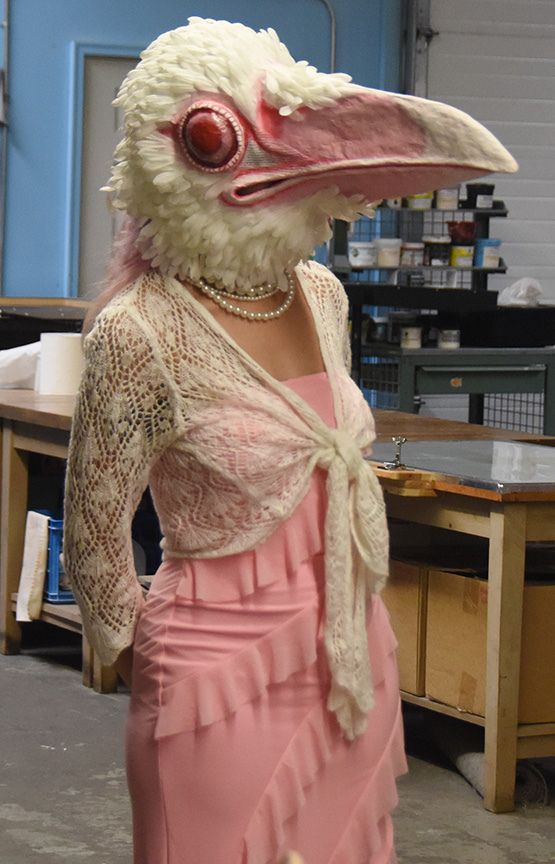
This is why Kooser aspires to create a place where everyone can gather, communicate, and cooperate as find connection and build mutual understanding.
"We're making them smarter, we're giving them the understanding that they can build their own things; that they can provide their own entertainment; that working with others, you can make something greater than what you could by yourself," he said. "To promote community, to get people to become involved in something bigger than just themselves."
This philosophy has gradually become one of the core values of the nonprofit, which explains why the lab welcomes the participation of anyone regardless of professional experience.
When volunteers visit the lab to help clean the puppets, arrange materials, select a paintbrush, immerse themselves in drawing, or perform administrative tasks, they are contributing to something bigger, not just the artwork.
Where Imagination Comes to Life
For these and other reasons, the Blue Bear Puppet Lab is an ideal place for students and community members to optimize their strengths, acquire new skills, and meet new people.
The giant puppets might be the symbol of the lab, but the true value of the space is the messages found behind the puppet characters, who reflect creativity, effort, cooperation, and commitment.
Kooser hopes the lab will remind students to believe in themselves, discover new interests, and gradually turn their dreams into reality.
This is how he defines the meaning of success. For him, success is not merely about money or financial accomplishment; it’s about when people ultimately live their lives to the fullest.
••••••
Tran Pham is a student writer in the Office of Marketing Communications who will be working with the Strategic Communications team during the upcoming academic year.CWU News
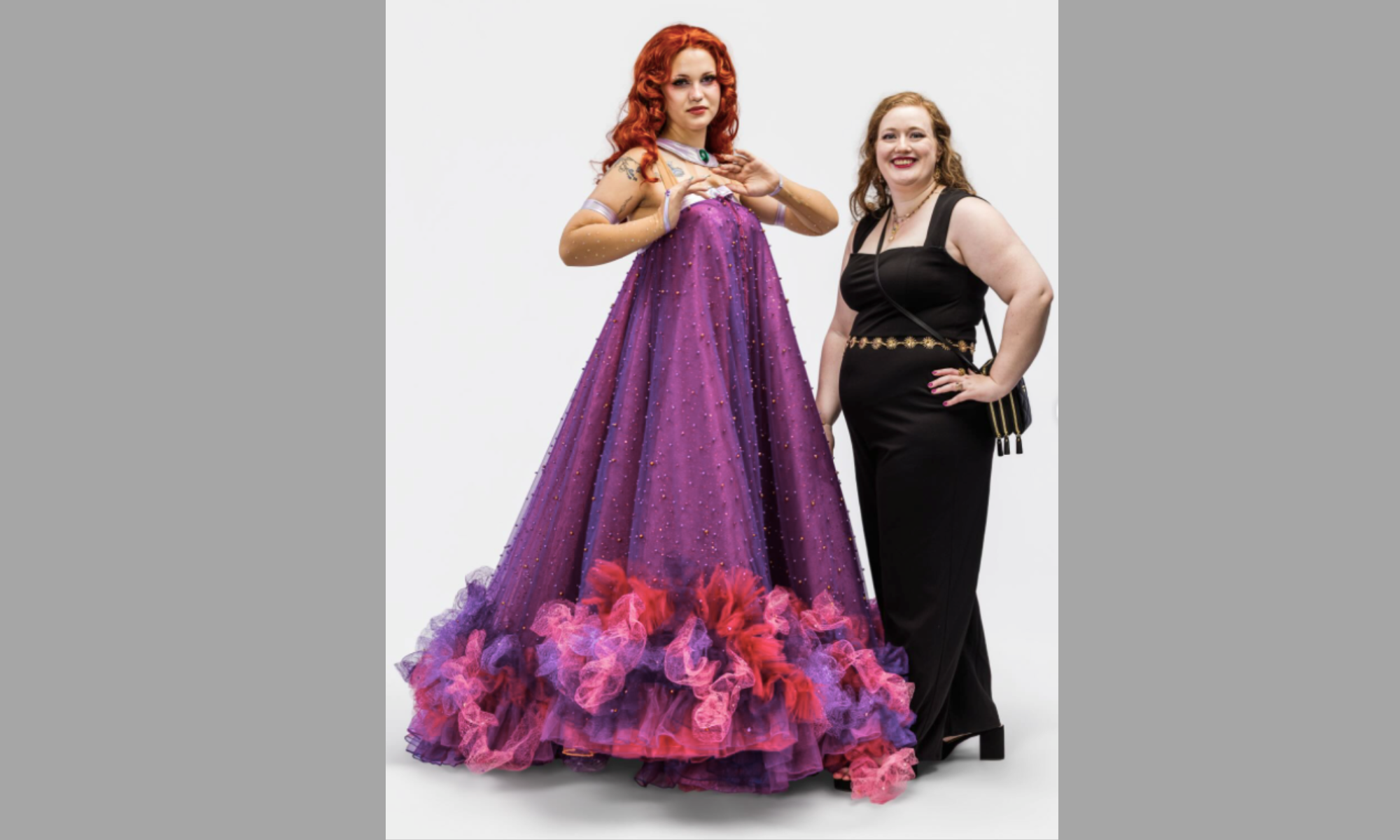
Costume design alumna claims Fan Spotlight Award at Comic-Con
September 23, 2026 by David Leder
Comprehensive Healthcare support helps graduate counseling program add faculty
September 23, 2026 by Marketing and Communications