Revamped CWU Paramedicine program re-establishing itself as a leader
- June 1, 2026
- David Leder
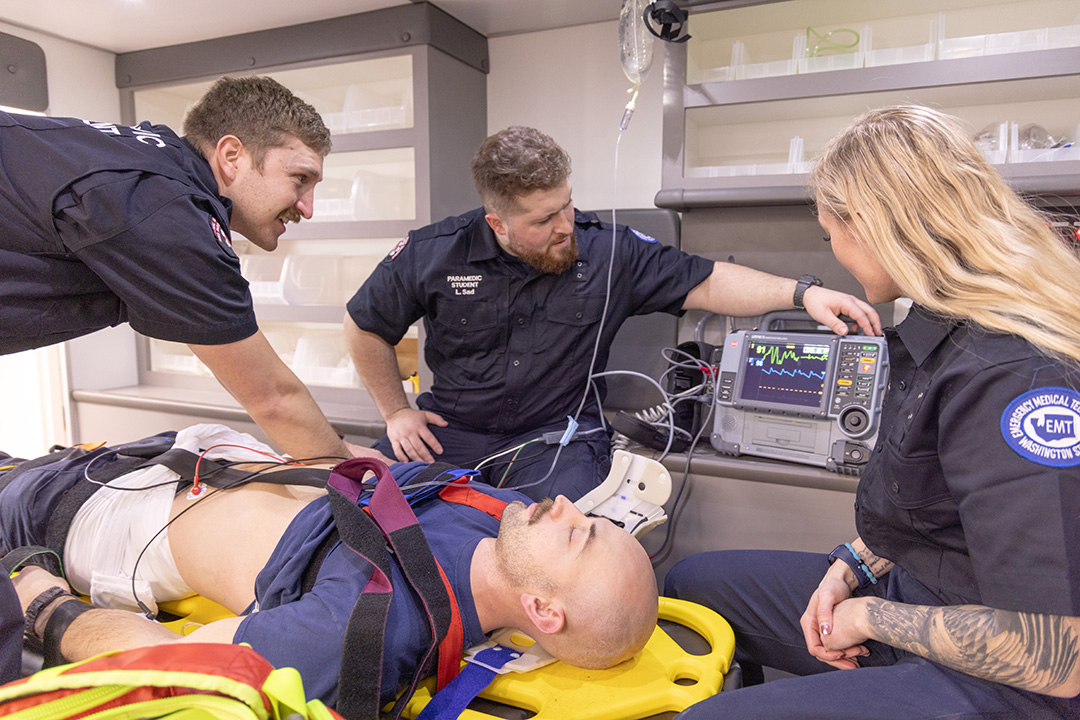
It’s been an uphill climb, but the Central Washington University Paramedicine program is steadily regaining momentum after a tumultuous couple of years.
An overhauled faculty and a wholesale cultural shift since 2024 have led to a 113% increase in applicants for the fall 2026 cohort and a 95% retention rate, according to Program Director Emily Gonzalez.
“Three years ago, we were at 79% retention, but now we’re at 95%,” she said. “And our applications are also way up — even more than we expected. That’s pretty amazing when you think about where we were when I got here.”
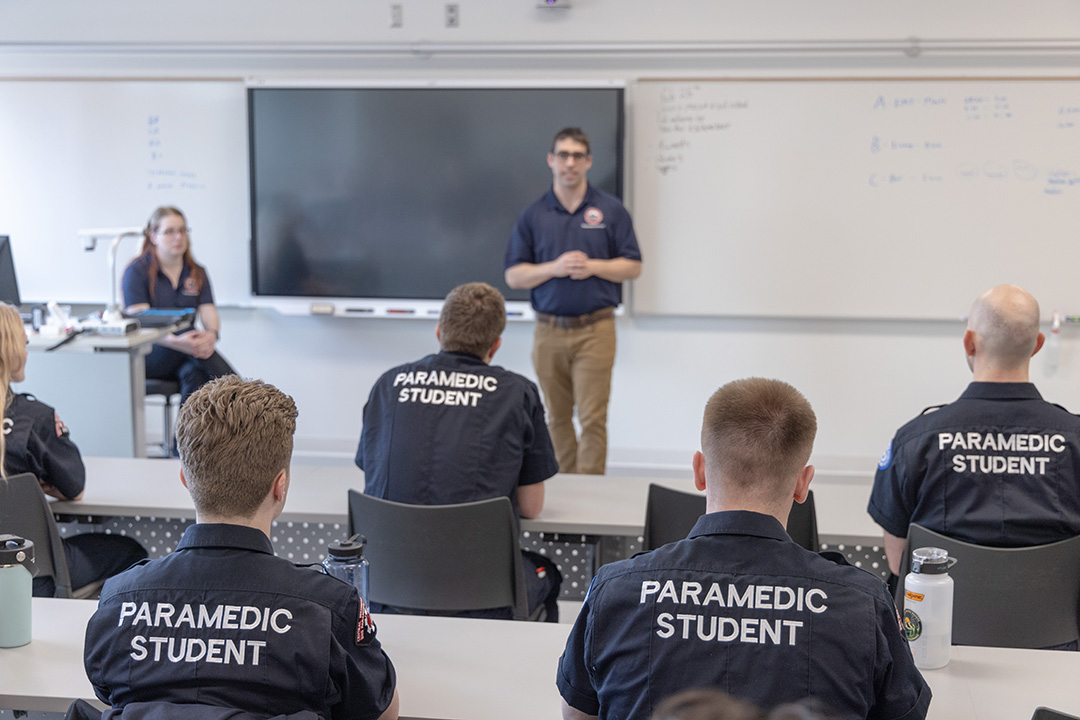
Gonzalez added that one of the reasons for the renewed interest in the program is that it has demonstrated a strong commitment to ethical conduct and evaluation.
“The previous faculty would just do interviews, which can be subjective,” she explained. “But now, we use objective, equitable performance criteria to base our acceptance decisions on, and people are starting to take notice.”
One of the reasons for the renewed interest in CWU Paramedicine is that, for the first time ever, the faculty hosted a program workshop earlier this year to create new opportunities for potential candidates to be successful.
“And every person that got accepted into the program this year attended the workshop, which shows how effective it was,” Gonzalez said, adding that 95% of respondents to the post-workshop survey said their experience was “extremely helpful.”
Aside from hosting a successful workshop and implementing a series of long-overdue changes to the admissions process, the program has also introduced a series of upgrades intended to help students prepare for their careers.
For example, CWU Paramedicine launched the only critical care program in the state this spring and will soon begin using a new on-campus cadaver lab as part of its curriculum. It has also begun introducing virtual reality training, with a faculty launch anticipated this fall.
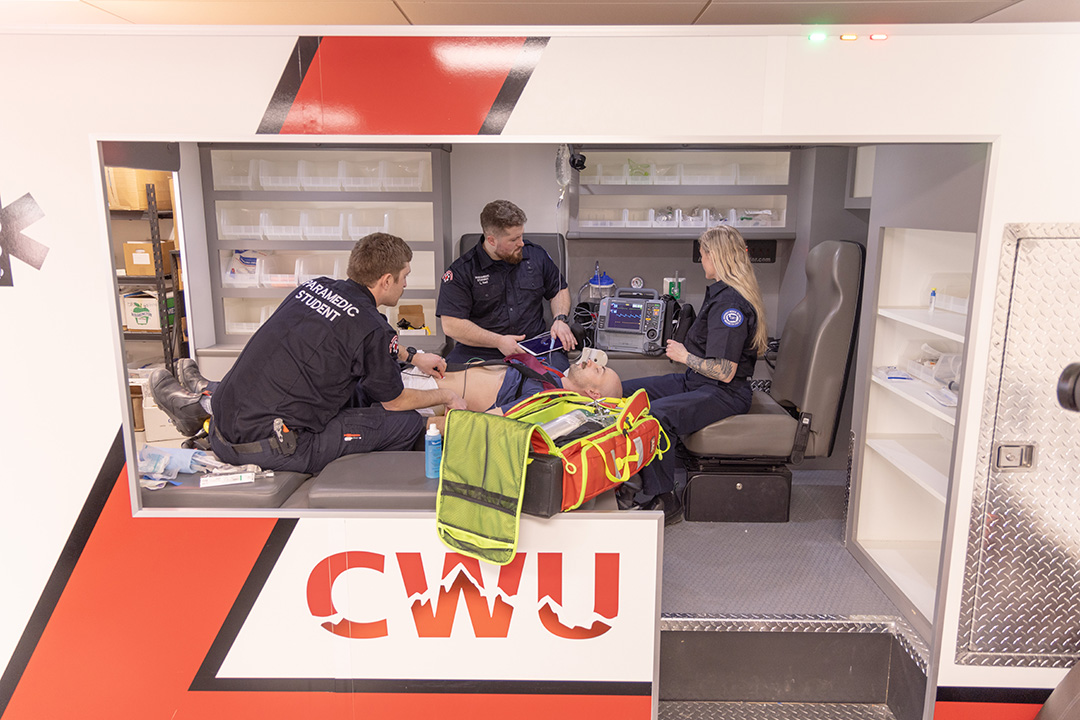
Additionally, CWU is one of only a handful of programs in the state that offers ultrasound training, which teaches paramedics how to scan for trauma and identify cardio-pulmonary ailments before a patient reaches the hospital.
Gonzalez and her colleagues brought in a local ER physician who is also an ultrasound fellow to train the paramedic faculty on the technology so it could ensure a strong foundation of ultrasound training for paramedicine students.
“People are really excited about what Central is doing, and our goal is to keep raising the bar,” said Gonzalez, who earned bachelor’s and master’s degrees at Central before completing her PhD at City University of Seattle this spring. “We want to get back to being the best paramedicine program in Washington, and these improvements are only going to help us rebuild that reputation.”
Things have been going so well of late that the program saw applications pouring in after the deadline and had to hire additional instructors to meet the growing demand.
“Now we’re thinking, ‘how high can we go?’” said Gonzalez, who also pointed to a 100% job placement rate and a 100% first-pass success rate on the national exam as signs of strength for the program, which just completed its accreditation this spring.
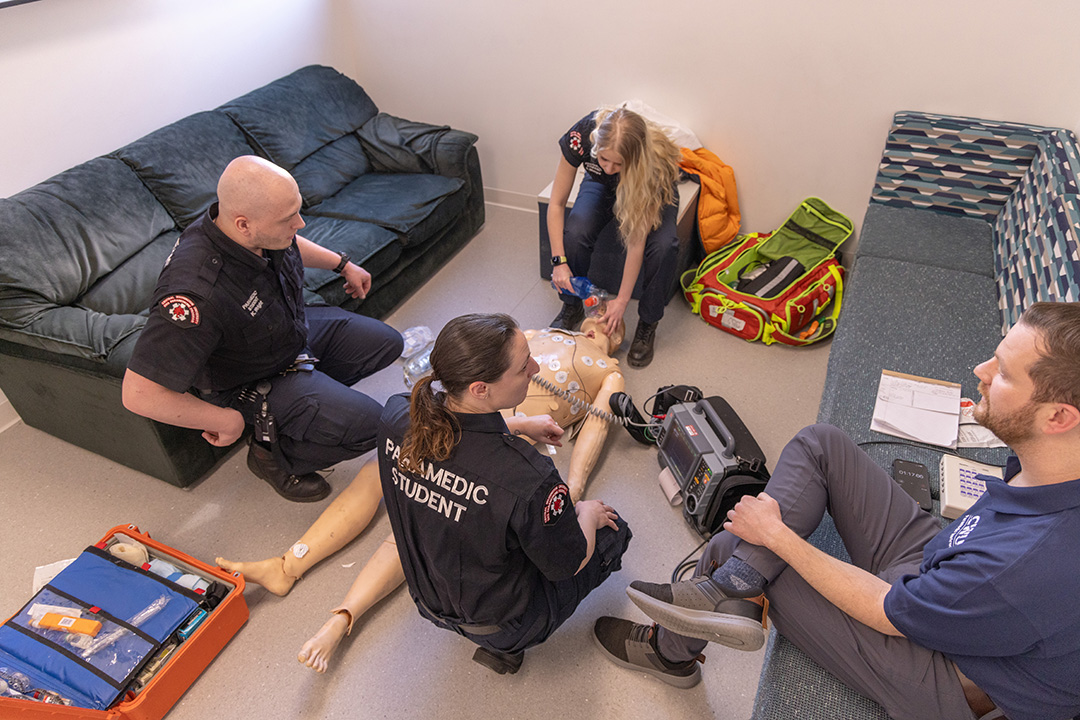
One of the main reasons for the program’s upward trajectory over the past two years is that it has found a way to rebuild trust with current students, prospective students, and industry partners.
Gonzalez is proud of what the program has done to demonstrate its commitment to changing the system in ethical, responsible ways that will ensure students receive a top-quality education.
“Once people could see the effort we were putting in, they could tell we were going to do everything possible to help this program get back to where it was before,” she said. “Our industry partners started telling their teams that they should apply, and the word started getting around that CWU Paramedicine is back.”
The program’s turnaround has been so dramatic that it caught the attention of national industry experts. Gonzalez and former Health Sciences Department Chair Tishra Beeson (now the CWU Dean of Undergraduate Studies) were invited to speak at the National EMS Accreditation Conference last week in New Orleans to talk about how far the program has come.
“We presented CWU as a case study for how to save an endangered program,” Gonzalez said. “We were able to rehabilitate a program that was in crisis, and we have made it successful again in just a short time. The idea is that you have to be willing to make dramatic changes and essentially go back to square one so you can build something that is sustainable and healthy.”
CWU News
Washoe’s story featured on BBC international broadcast
October 19, 2026 by Rune Torgersen
CWU Trustees to meet October 22 in Ellensburg
October 16, 2026 by Marketing and Communications