The Sage Francois Endowed Fund shines light on recovery and community
- April 6, 2026
- Michele Graaff
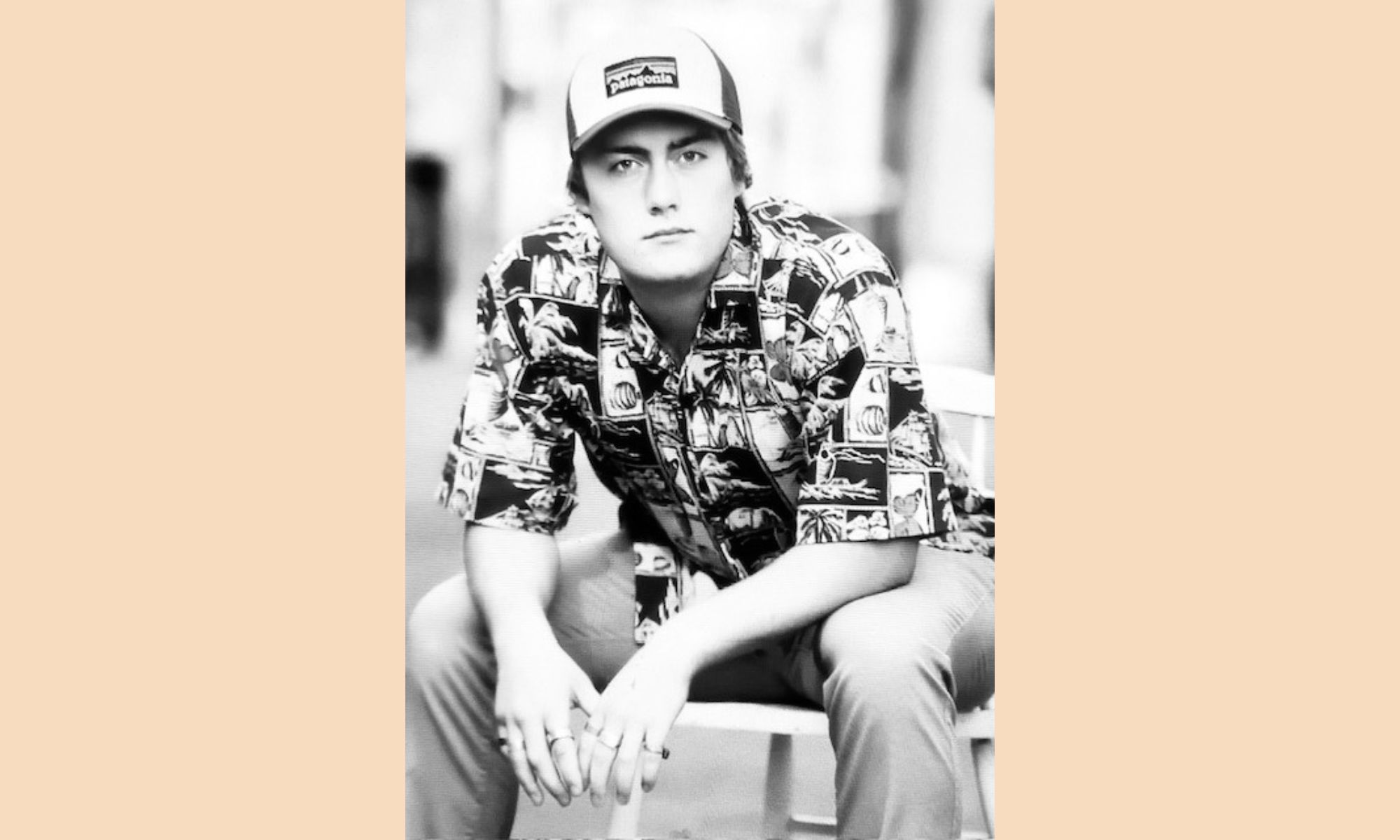
Central Washington University student Sage Francois moved through the world with uncommon generosity. He was fueled on skateboarding and kindness, athletics and deep loyalty. The occupational safety and health major had set himself up for a pivot to the fashion design program, where his innate energy and creativity could thrive. Sage was a hopeful Wildcat, a son, and a brother.
On the surface, his story seemed like so many others, chapters filled with regular highs and lows. But Sage’s life was more complicated than his easy smile suggested. It’s a story that, by all accounts, ended on a warm summer day in 2021, when at just 21 years old, Sage Francois passed away from an accidental drug overdose. Instead, his life would spool out into an unplanned legacy, and a reaffirmation of the power of community.
To tell that story, it’s best to begin with Sage’s backpack.
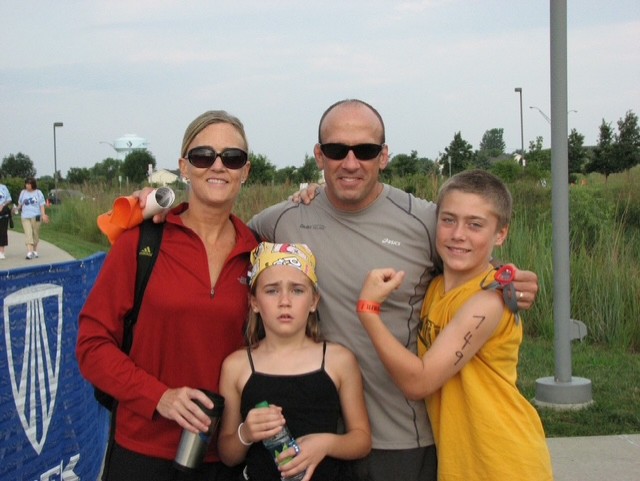
Sage’s mother, Teresa Francois, used to wonder how the pantry shelf seemed to empty itself so quickly—until she noticed her son’s overstuffed backpack. “Where did all these granola bars and snacks go?” she remembers asking herself. “Sage was giving them away on his way to the skate park, to anyone he saw.”
That small, unheralded gesture was the essence of who Sage was: big-hearted, instinctively gravitating toward anyone on the margins. As a teenager at Ellensburg High School, he was the kid who sought out his classmate with Down syndrome each day, greeting him with a genuine “Hey! You're great!”
Sage was loyal, sometimes to a fault. While playing youth hockey in Iowa, he spent more time than most in the penalty box after defending teammates who’d been roughed up on the ice. Sports, like his compassion, came naturally. Dennis Francois, Sage’s father and CWU Athletics Director, saw his son’s strengths early on.
“He excelled at a young age in football, as well as hockey. He even did two mini-triathlons,” Dennis said. “Some things were easy for Sage, and maybe that’s a downside, as well.”
After his eighth-grade year, Sage “got himself into a tough situation,” his parents shared. “He battled some hard things, not necessarily by choice.” In turn, Sage made some life-altering decisions, including ones involving drug use, beginning what would become a years-long battle with addiction.
“He had a lot of energy and sometimes it came out the wrong way, but he was mature beyond his years,” Dennis recalled.
Sage learned a lot about himself and about life through relapse and rule breaking. He owned up to his mistakes, completed probation, stayed clean and sober, and maintained a 4.0 GPA throughout his last three years of high school. When Sage was well, he was nearly unstoppable.
College, however, brought new pressures, ones that exist for every young adult—but hit harder for those vulnerable to substances. “Sage felt that he should be able to do what so many other students did when they went to college,” Dennis said. By his second year at Central, Sage had relapsed and attempted several stints of inpatient treatment while also trying to manage school and find his path.
For Dennis, whose life had been influenced by his involvement in sports, his son’s spiral was a painful re-education. “In the world of athletics, it’s about being disciplined,” he said. “But with addiction, it’s not just about willpower. It’s a disease.”
Teresa, an art teacher at both CWU and the Kittitas School District, felt the pain of being unable to protect her child. “As a parent, you want to fix everything,” she said. “You feel helpless.”
Still, Sage pushed himself to try to get clean again. Teresa remembers that he set up treatment for himself, did all the legwork, and scheduled the date.
“Sage felt really good about that last time. He knew it; he saw it. When his mind was clear, he was truly, truly awesome,” Dennis said. “All of the other times, that wasn’t Sage. That was the addiction.”
Three days before Sage would be admitted to the recovery center, he took a pill—a pill that should have been like any of the others he’d taken before. To take the edge off, quiet his brain. He didn’t know it wasn’t just another pill, but one laced with a lethal dose of fentanyl.
Sage always texted back, always returned a call. “It might be two o’clock in the morning, but he would always tell me, ‘Good night,’” said Teresa. But the pill triggered silence; messages and calls went unanswered.
Dennis and Teresa were leaving Saturday evening Mass when their phone finally rang. It was a call from one of Sage’s friends: “Sage is unresponsive. Come now.” Their son, a friend to everyone, had passed away, alone at his friends’ apartment.
In the tidal wave of shock and grief that followed, something else surfaced, emotions that Dennis and Teresa struggle to name even now. “All those years, every knock on the door, every time you heard an ambulance or the phone rang, your heart stopped,” Dennis painfully reminisced. “You feel guilty when you realize all that stress is no more. You would do anything in the world to bring them back, but the constant fear...is just gone.”
It’s one of the many truths about addiction and loss that he and Teresa are determined not to hide.
The Francois also push back against what Dennis refers to as “the evil of indifference”: the way society reduces overdose deaths to a few lines in a newspaper, quickly forgotten, and often judged. “Every person who dies of an overdose had people who loved them more than anything in the world. And their lives, too, are forever changed.”
The Francois’ story is not only complex, it’s also common. Addiction doesn’t discriminate. According to the Substance Abuse and Mental Health Services Administration (SAMSHA), one in six Americans has a substance use disorder. Behind every statistic is a human story layered in hope, hardship, joy, effort, success, and often failure.
In the weeks after Sage’s death, the community wrapped itself around the Francois family. They soon realized that the outpouring of support might reach beyond them. Instead of flowers and meals, Dennis and Teresa encouraged outreach to be a donation to help others. The generosity of the CWU and Ellensburg communities grew. With those funds, the couple turned to the university Sage called home and to the people already building a safety net for students in recovery.
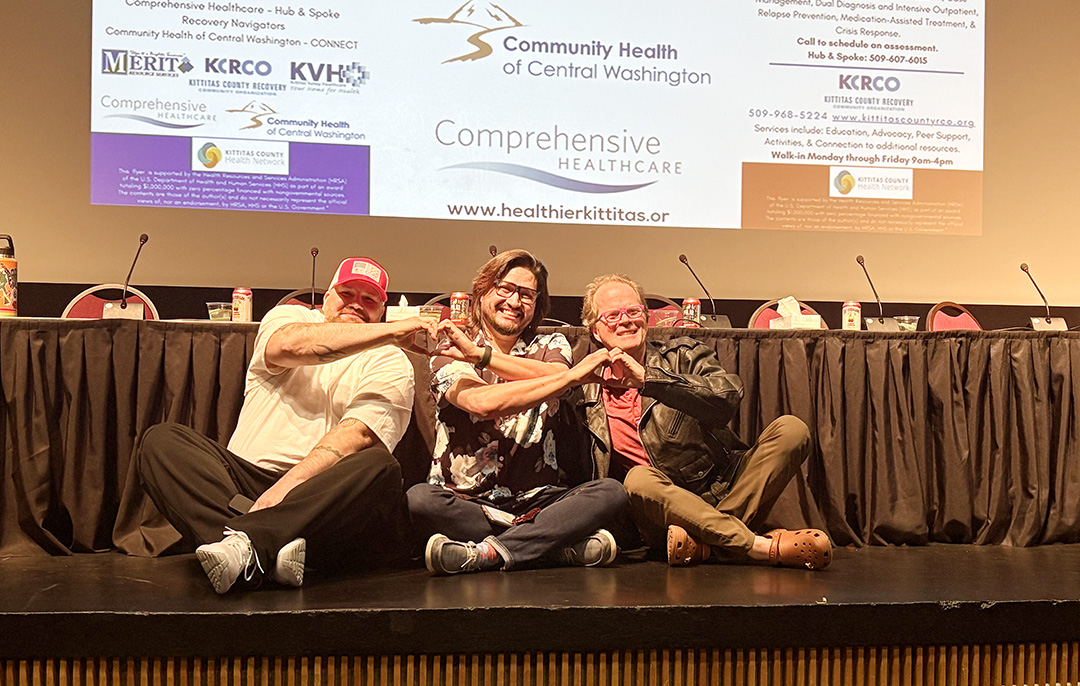
From the donations, the Sage Francois Endowed Fund was created to provide scholarships supporting Central students impacted by substance use disorders. The fund strengthens the university's Collegiate Recovery Community, a program rooted in a national model known as the Collegiate Recovery Program (CRP). Research confirms that addiction is a treatable disorder, and recovery support saves lives. SAMSHA reports that among 31 million adults with a substance abuse disorder, 74.3% considered themselves in recovery.
CRPs were created because college can be an especially challenging place for students in recovery. Research shows that campus life is often “abstinence‑hostile,” where heavy drinking, drug experimentation, and peer pressure collide with the fragile work of staying sober.
Many students in recovery report they would not stay enrolled in college at all without a CRP. These programs were designed as a form of continuing care, offering peer support, structure, and what experts call “recovery capital,” the emotional and social resources needed to sustain recovery.
At Central, those principles take shape through weekly support groups, one‑on‑one peer recovery coaching, sober‑friendly activities, and a dedicated recovery lounge on campus. “Our vision is to have the CRP be completely peer‑led,” explained CWU Office of Health Promotion Assistant Director Arryn Welty. “It’s for the students, by the students.”
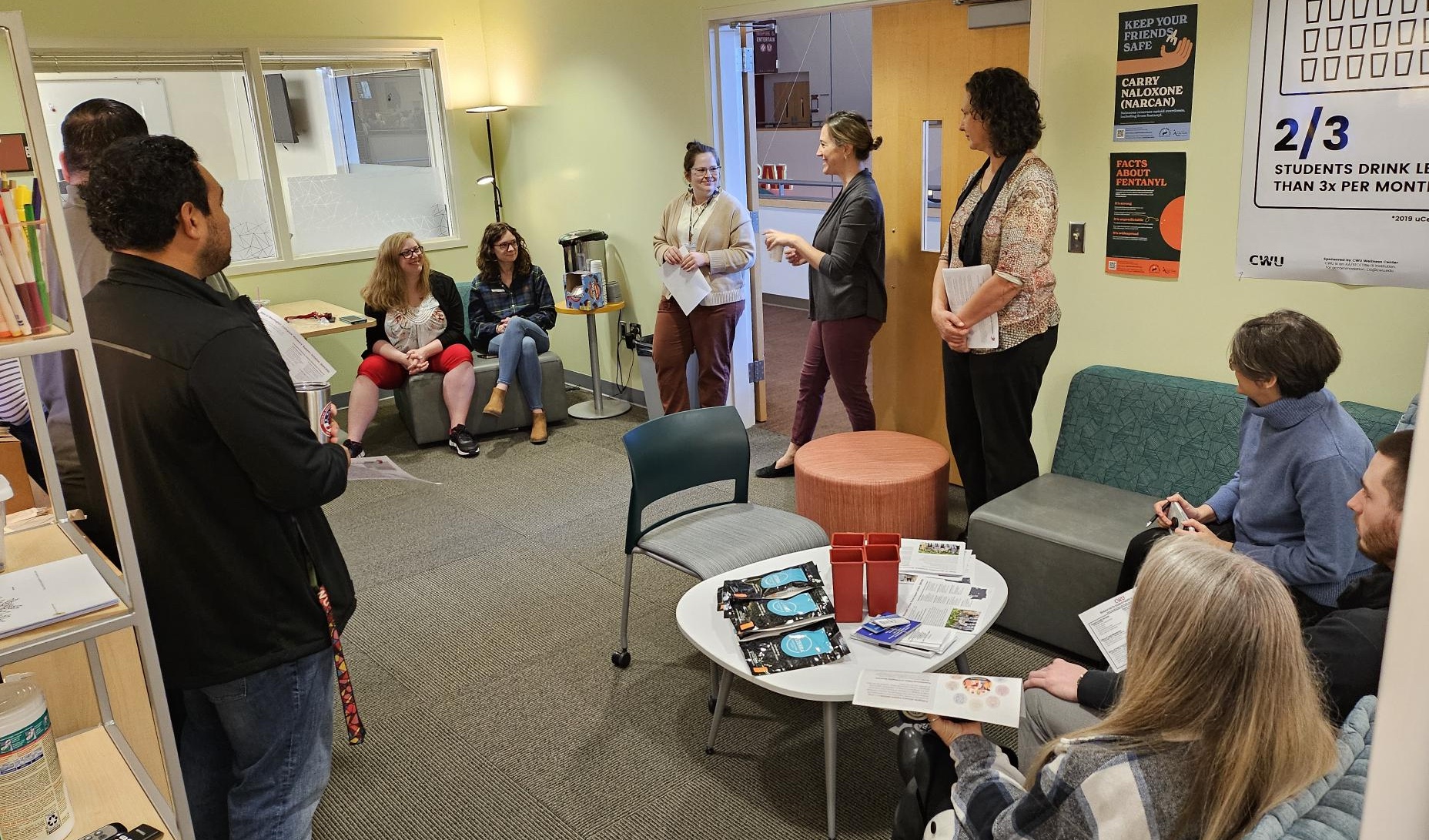
The meetings are intentionally welcoming with no attendance or screening requirements. “Students just know they have space to talk about the things they’ve experienced, and know other people get it,” Welty said.
For many students, this can be critical. “For someone in recovery, it can be really scary to walk onto a college campus and feel like you belong,” said Marissa Howat, director of the CWU Office of Health Promotion. “But because of stigma, substance abuse becomes this enormous secret.”
CWU’s CRP works to counter that secrecy by normalizing recovery rather than hiding it. Students impacted by a loved one’s addiction, including those who grew up acting as caregivers, are welcomed, too. For all these students, CRP is often a lifeline, and scholarships from the Sage Francois Endowed Fund can be transformative. “Knowing there’s dedicated funding aimed at their academic success can be a massive relief,” said Welty.
Much of CWU’s early recovery infrastructure was built through a temporary seed grant from the Washington Healthcare Authority. With that funding now ending, sustaining the work requires long‑term support. “What we’re building is important,” said Howat. “Programs like CRP aren’t guaranteed unless we sustain them together.”
This is where the Sage Francois Endowed Fund becomes not just meaningful, but essential—a small but powerful part of the CWU recovery community. Sage once wrote, “Look back at your life and learn from it. Don’t regret it.”
What began years ago, with granola bars in a backpack, has become a legacy. Sage continues to shine a welcoming light, preparing a more hopeful place for the friends he would never meet.
If you would like to support the Sage Francois Endowed Fund, please visit the #GiveCentral crowdfunding page and help CWU students who are seeking assistance in their journey to recovery.
CWU News

Arts and Humanities Month continues to build momentum
October 21, 2026 by David Leder
New position at CWU-Des Moines aimed at improving student experiences
October 21, 2026 by David Leder