CWU alum launches nonprofit to reduce e-waste, support STEM learning
- March 25, 2026
- Rune Torgersen
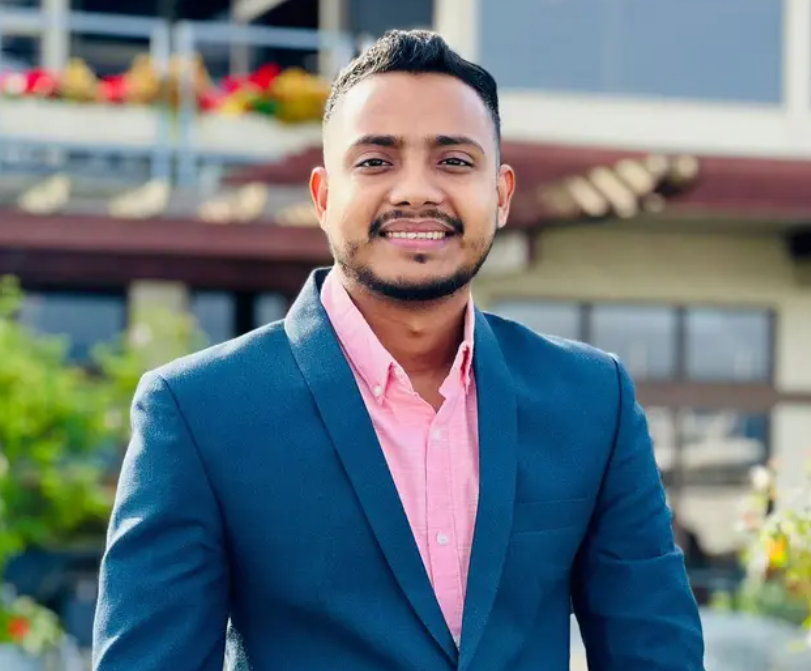
When Md. Saifur Rahman (’24) was nearing graduation from Central Washington University, he discovered a pattern he might be able to remedy in one of his data analysis classes.
The IT Management major saw an opportunity to help reduce the environmental impact of electronic waste, provide useful technology to members of underserved communities, and give students a chance to develop the skills necessary to diagnose and refurbish devices that might otherwise have ended up in a landfill, all through one organization.
He decided to call his new nonprofit eRecyclee. The organization focuses on reducing electronic waste while expanding access to technology and providing hands-on STEM learning opportunities.
“In analyzing data for my class, I found that there were a bunch of opportunities out there to help underserved people in a number of ways,” Rahman said. “My instructors at CWU, especially Susan Rivera, pushed me to keep going and keep building my organization, and I’ve been asked to come present on the project to current classes.”
Rahman came to the United States from Bangladesh on an F-1 student visa to attend CWU, after researching other possible destinations across the country.
“After searching through a lot of universities, I found that CWU was perfect for me because of the environment, the curriculum, and the leadership,” he said. “Their programs are perfect for international students like me, and they have a good reputation all over the United States.”
With his degree in hand, and a career as a data analyst lined up following graduation, Rahman found time to develop his nonprofit on the side, watching it grow as he continued to find support for his idea. He developed internal systems to track donated electronics and match them to requests submitted by community members in need. This includes students who might not otherwise be able to afford the computers that are necessary to complete schoolwork in today’s tech-heavy world.
“Some students cannot afford expensive devices for school, and a lot of schools cannot afford to provide them, either,” Rahman said. “If they’re registered with our site, they will be notified that a device is available, and we’ll be notified of where to send it.”
To this end, eRecyclee has developed an AI-powered Smart Recycling Station, designed to accept electronic device donations, securely erase data, and use AI-assisted classification to sort devices based on their potential for reuse or recycling. The system also provides real-time feedback on environmental impact, helping users understand the value of responsible e-waste disposal.
Looking back on his business success, and the growth that is yet to come, Rahman came to the realization that it all started with that initial push from his CWU instructors.
“If you want to start a business or a nonprofit, ask your instructors for support,” he said. “They have access to a number of resources and can help you when you are stuck. All of this helped me develop the leadership skills I needed to get this project started.”
As a growing nonprofit organization, eRecyclee is always looking for volunteers via their website. Rahman hopes to contribute to a shift in how the world disposes of used electronics.
“Electronic waste is not just trash,” he said. “It’s an opportunity to extend the life of technology and make it accessible to people who need it most.”CWU News
Arts and Humanities Month continues to build momentum
October 21, 2026 by David Leder
New position at CWU-Des Moines aimed at improving student experiences
October 21, 2026 by David Leder