Student teachers benefit from AmeriCorps programs, CWU Foundation support
- October 27, 2025
- David Leder

Thirty-five Central Washington University education student interns will be receiving a much-needed financial boost this school year thanks to $75,000 in AmeriCorps Civic Leadership and Engagement Corps (CLEC) stipends, plus an additional $65,439 in AmeriCorps Education Awards.

The CWU School of Education learned in September that it had been awarded the funding, which is intended to create opportunities for education student interns (aka “student teachers”) and provide enhanced educational support to students in K-12 schools that reside in high poverty areas. The programs are also designed to benefit K-12 students who require special education services, as well as those who are multilingual learners of English.
Five CWU student interns will be selected this fall for the AmeriCorps stipends, which will help cover their living expenses for a full year. Another 30 students will qualify for a share of the Education Awards funding, which will help them cover costs, including tuition and loan repayment, during one quarter of their student-teaching placement.
Nearly 400 CWU teacher candidates will be teaching in school districts around the state during the current academic year, although not all of those students are eligible to apply for the AmeriCorps stipends and Education Awards.
“Any education intern who is student teaching in a Title I school, or in a special education or bilingual education classroom, will be invited to apply for the Education Award this year,” said Dawn Harry, CWU’s Director of Teacher Academies, Student Teaching, and Field Experience. “Candidates in our Master of Arts in Education yearlong internship who meet that criteria have been invited to apply to for the program that includes the stipend.”
Harry explained that students who already work for a school district as a paraeducator or full-time teacher are not eligible to apply.
“The positions are designed to serve communities in high-needs areas,” she said. “To meet AmeriCorps criteria, they have to be interns rather than paid educators.”
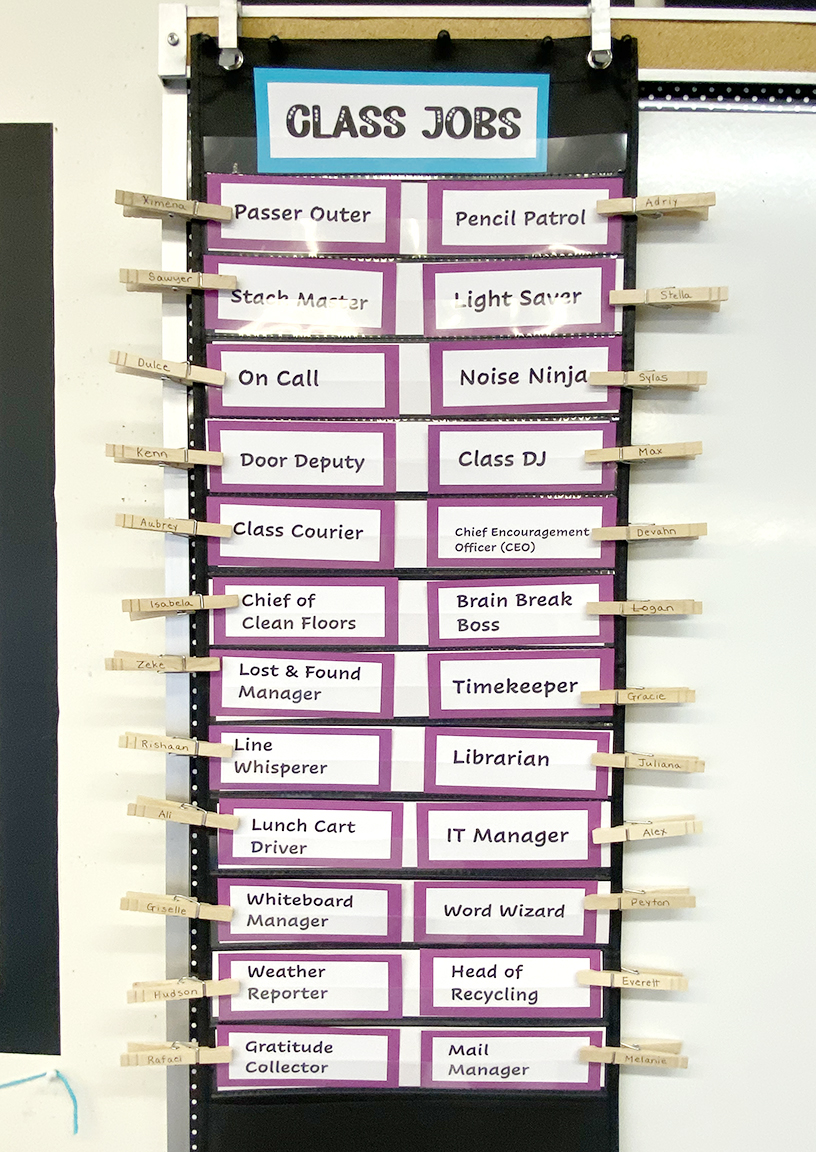
CWU received three year-long AmeriCorps stipends for the 2024-25 school year, with all three student interns being placed at Meridian Elementary in the Kent School District. Twenty others benefited from the Education Awards, helping them defray costs for one quarter of student teaching.
Seeing the funding for both programs increase this year is encouraging, but more help will be needed, as School of Education Director Jenny Dechaine noted.
“Students still need money while they are student teaching, and these programs support them so they can be successful,” she said. “All education student interns are required to complete a quarter of student teaching, but they also have to pay for their college credits while they are working. That’s pretty hard when you are working full time and not getting paid.”
CWU Foundation Support
The School of Education has been working closely with the CWU Foundation over the past year to raise money to support education student interns as they complete their practicum hours in rural and low-income districts across the state.
CWU places hundreds of student teaching interns each academic year, and many of them are faced with financial hardships because their quarter-long practicums are unpaid. The challenges can be even greater for student interns who are raising children because they are unable to work another full-time job to afford monthly expenses.
With the Foundation’s help, Dechaine and Harry are seeking to create new avenues of financial assistance for their students. They hope to eventually be able to help 25% of student interns while they complete their student teaching hours, which would come out to approximately $470,000 per year.
“This money is essential to the success of our student teachers,” said Harry, who delivered a presentation this summer about the need to fund these scholarships for student education interns. “The excitement is starting to build, and people are becoming energized about how they might be able to help.”
The Foundation launched a campaign this year to create an endowment fund that would provide $5,000 each for 50 student teachers per year who are working at rural or poverty-impacted partner schools (referred to as “Title I schools”).
So far, the Foundation has enabled the School of Education to award 15 Incentive Scholarships of $5,000 each for students to intern in rural and poverty-impacted schools around the state. Ten of those candidates are completing their student teaching hours in those schools this fall.
Among the more notable donations came from the estate of 1973 CWU alumna Joan Morgan, which contributed $50,000 to the cause. Paul Elstone, Executive Director of the CWU Foundation and Vice President of University Advancement, says the initiative has already been receiving significant interest.
“Enhancing our students’ learning experiences through practicum teaching and internships is an important focus of potential donor support,” he said. “We are currently working to build additional support for student teachers working in rural and low-income districts, and we hope to grow this effort through a variety of sources so we can help many more students in future years.”
Ready On Day One
The real-world impact of the support CWU students receive from the AmeriCorps programs and the Foundation can be life- and career-changing, as one of last year’s recipients, Christine Deacon, explained.
Deacon was one of three Wildcats who received the full-year AmeriCorps stipend in 2024-25, and the program benefits proved to be invaluable for her career growth.
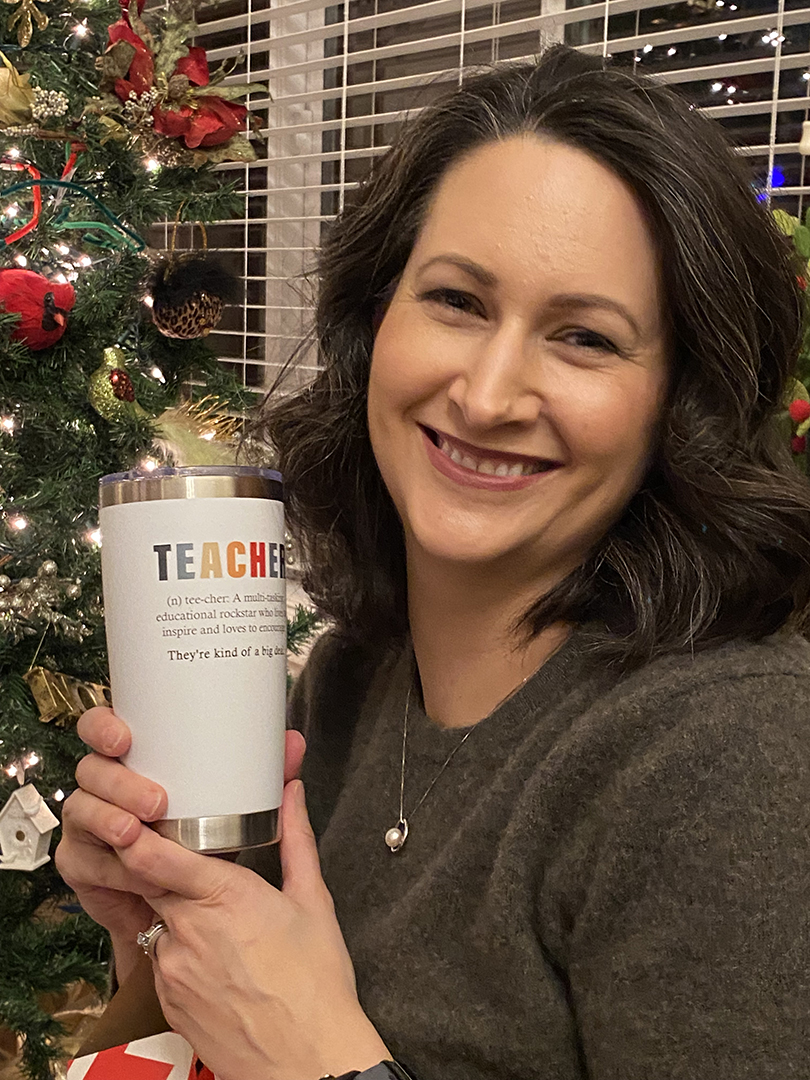
“I honestly can’t say enough about this program,” she said. “It gave me a whole new level of access that you don’t get when you’re a parent or paraeducator. You approach everything from the perspective of a teacher, and you work alongside a partner teacher for the entire year. That filled in so many gaps for me that I don’t think I would have gotten otherwise.”
Deacon taught first grade at Meridian Elementary in Kent, sharing a classroom with Suzy Pinkerton, a nationally board-certified literacy instructor. She couldn’t have asked for a better mentor.
“I learned so much from her — things you would never even consider,” Deacon said. “I got to start with her on day one of the school year and work with her all the way through, which was huge for my development. It’s rare that student teachers are on site when the full-time teachers walk in, and having that experience made it so much easier for me going into this year.”
Deacon is now teaching fifth grade at nearby Grass Lake Elementary, and she feels like she is more prepared than she ever would have been if she only worked as a student intern for one quarter.
She has four children in the Kent School District and has served as PTA president and as a classroom volunteer. She began working as a paraeducator in 2023, but none of those experiences could have prepared her as well as the year she spent in Pinkerton’s classroom.
“Having that foundation with Suzy has made me a much better teacher for my students this year,” Deacon said. “I was able to pick things up right from the very beginning and figure out who I am as a teacher. When I walked in on the first day of school, I felt really prepared.”
Deacon also credited her professors and advisors at CWU for helping her navigate the intensive teacher education program. As someone who holds a master’s degree in mental health, she’s not new to higher education. But learning to become a teacher was entirely new territory, and she can’t say enough about her CWU mentors who made it possible for her to excel.
“I’m using exactly what I learned at Central in my classroom,” Deacon said, thanking faculty members Amanda Obery and Maria Hays, and many others, for their guidance and support. “They taught me everything I needed to know, and I still text them for advice. My entire experience there was just amazing.”
CWU News

Arts and Humanities Month continues to build momentum
October 21, 2026 by David Leder
New position at CWU-Des Moines aimed at improving student experiences
October 21, 2026 by David Leder