NSF-funded project aimed at closing racial gaps in STEM education
- April 2, 2025
- David Leder

A team of Central Washington University faculty will be working alongside colleagues from four other state universities to understand why racial gaps exist in STEM education, thanks to a $2.6 million collaborative grant from the National Science Foundation (NSF).
The project, titled “Racial Equity in STEM Starts with Teacher Education,” aims to improve representation in the STEM education field by creating better pathways for people from underrepresented populations to become teachers.
The research team proposed the project to the NSF last year in hopes of addressing the stark disparity in racial representation in Washington state’s educational workforce. While students of color comprise nearly 50% of the state’s K-12 population, only 14% of teachers are from similar backgrounds, according to the 2023-24 Washington State Report Card demographic data.
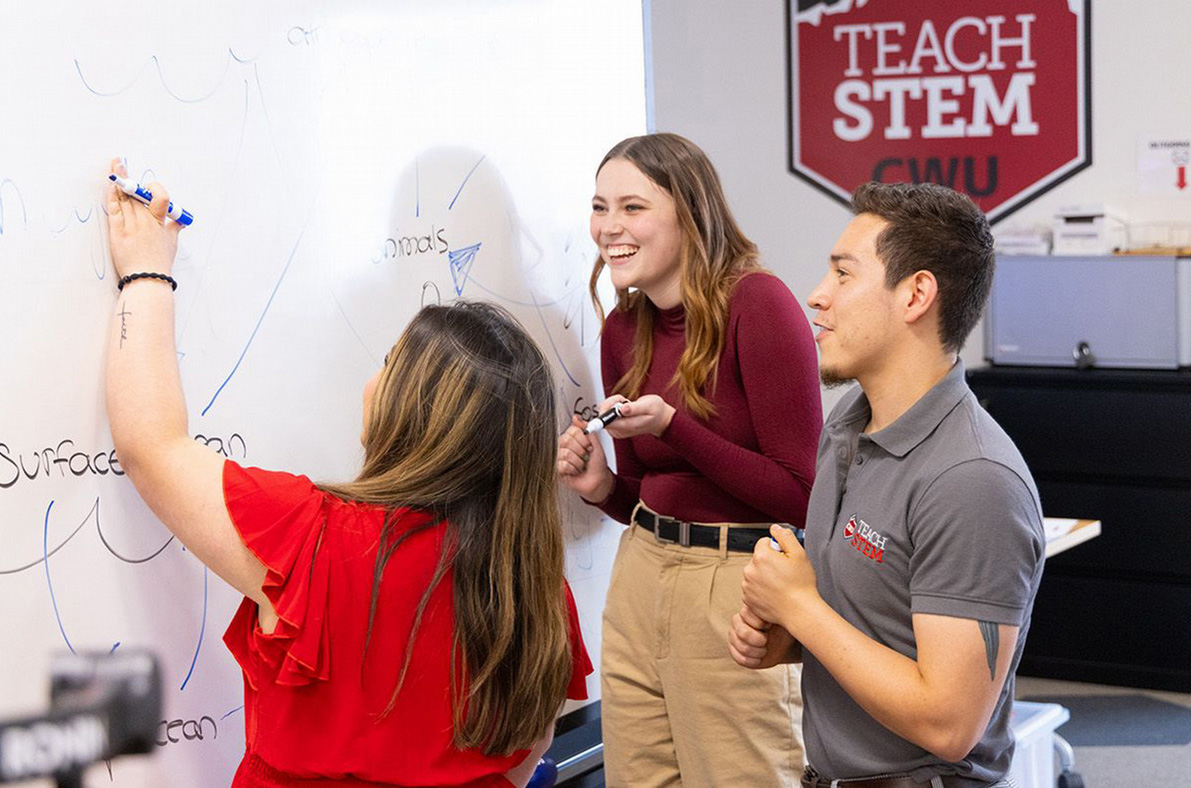
The NSF grant, awarded last fall, aims to explore why teacher preparation programs are challenged in recruiting, retaining, and keeping pace with this growing diversity of the student population.
“We want to come at this identified challenge from a grassroots, community perspective instead of the typical higher-ed perspective,” said Dr. Tim Sorey, a professor of chemistry and science education, who is serving as CWU’s principal investigator for the project. “We hope to move forward with conversations of underrepresented populations by putting on our listening ears, instead of using our talking mouths.”
The project’s co-investigators from CWU are Dr. Allyson Rogan-Klyve, associate professor of science education; and Dr. Andrea Herrera-Dulcet, assistant professor of Spanish.
The three-year exploratory project includes five regional teams, with WSU-Vancouver acting as the primary research hub. Partner institutions include CWU, Eastern Washington University, Seattle Pacific University, and Western Washington University, with the University of Washington-Tacoma overseeing a Diversity Consulting Group in an advisory role.
In the first year of the project, regional teams will conduct listening sessions with current students, alumni, and community members, particularly those from historically marginalized groups. These sessions will focus on identifying barriers to entering STEM teacher preparation programs, while at the same time, honoring diverse perspectives from each community that can only strengthen all career pathways within STEM.
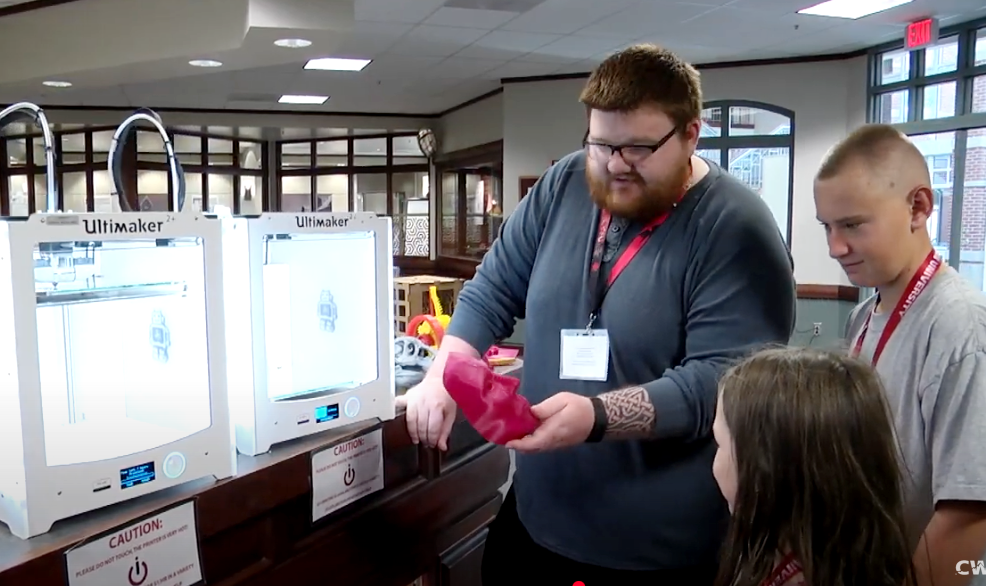
The second year will see the research teams deepen their engagement with local communities, collaborating with leaders and partners to identify specific challenges and opportunities in each region. This collaborative effort will culminate in action plans aimed at revising policies and structures within teacher preparation programs to better support a wider range of candidates.
Beyond academic research, the project will aim to create, strengthen, and maintain lasting community partnerships. The grant provides for members of marginalized groups to join the project’s leadership team, contributing directly to the development and implementation of strategies for addressing racial inequities in STEM education.
“Our goal is to open up the dialogue so we can understand what is contributing to this disparity and then figure out ways we might be able to improve the situation,” Sorey said. “We are part of these communities, and we care about providing pathways within STEM and STEM Education that make lives better for everyone in Washington state.”
CWU News
Arts and Humanities Month continues to build momentum
October 21, 2026 by David Leder
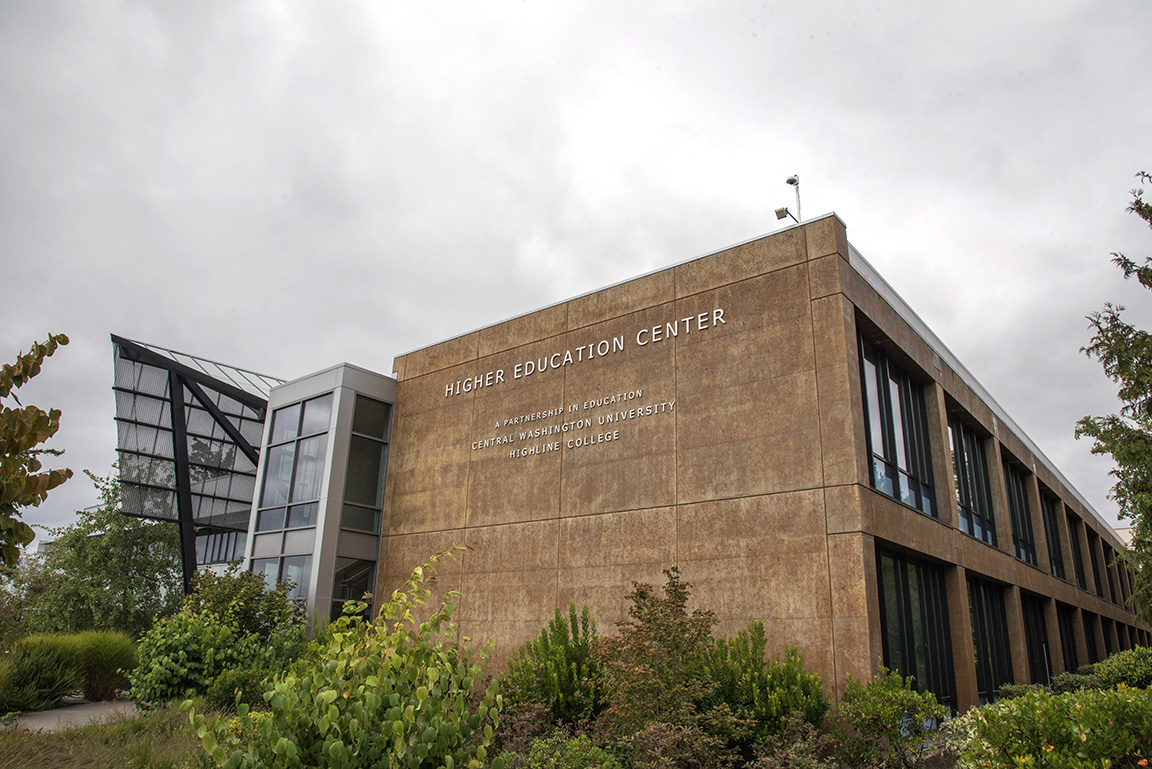
New position at CWU-Des Moines aimed at improving student experiences
October 21, 2026 by David Leder