
As a CWU student in the 1990s, Jungmann learned about the environmental benefits of hemp and saw an opportunity to change the way people think about clothing. Today, he is at the forefront of sustainable fashion, proving that what we wear matters more than we think.
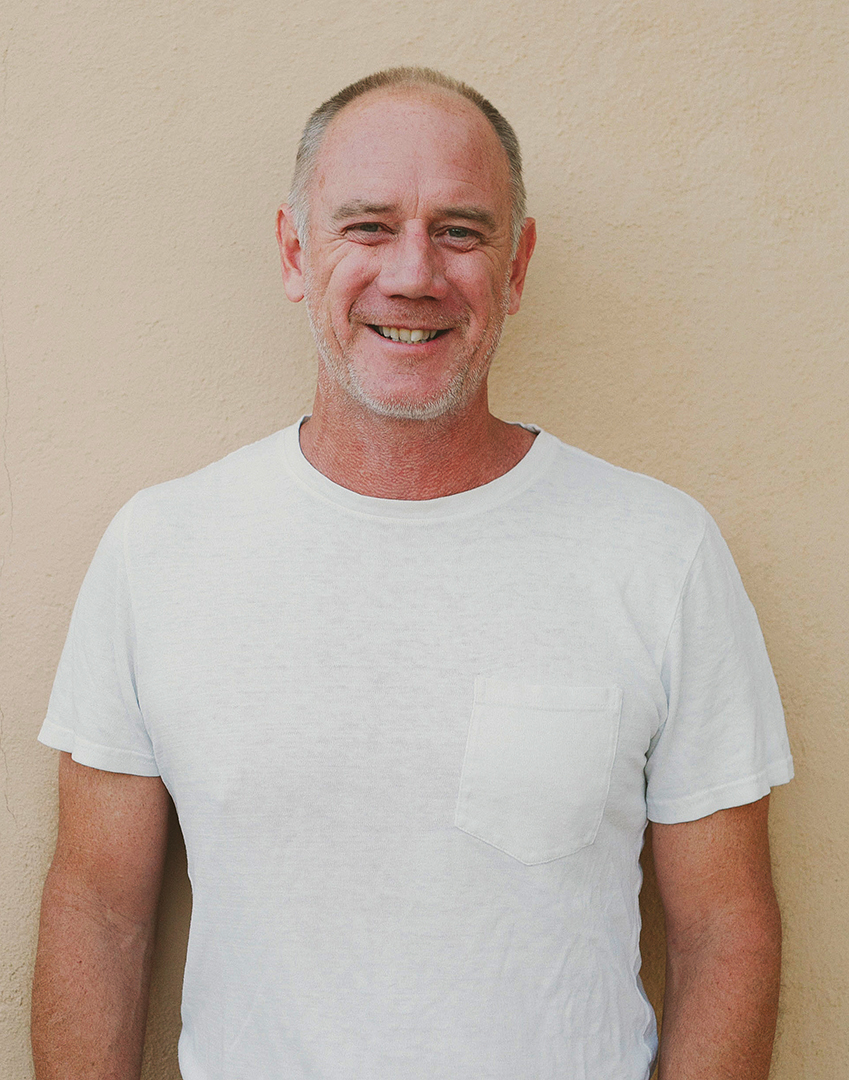
Jungmann’s passion for environmental conservation took root during his time at Central while taking a geography course taught by Dr. Morris Uebelacker. That course opened his eyes to the ecological devastation of deforestation.
“Instead of maintaining the forest and taking out the old growth, we were just clear-cutting,” Jungmann (’96) recalls. “My professor said, ‘We could substitute that with hemp.’ That was my ‘aha’ moment.”
In 1993, while still a student, Jungmann founded Manastash, an outdoor apparel brand that incorporated hemp into its designs. He started experimenting with hemp fabrics, sewing garments in the attic and dyeing them in the bathtub at his roommate’s mother’s home.
“There were no mainstream stores that wanted Manastash in the ’90s because of a lack of understanding about hemp,” he explains. “Trying to create a clothing line when nobody else is working with these fabrics is difficult. It takes a lot of time and a lot of mistakes to get it right. Luckily, a fabric company in Seattle, American Hemp Mercantiles, took me under their wing and let me play around with materials.”
Jungmann’s designs quickly caught on across the country, even landing an order from Music Television (MTV) for 1,500 Chenga Wallets for a spring break event.
“At the time, I thought it was game over, as we built the wallets and the order was cancelled once they were completed,” he says. “But, looking back, it was the catalyst that got us off the ground.”
Manastash eventually took off, particularly in Japan, where customers embraced the brand’s eco-friendly ethos and outdoor aesthetic.
Jungmann immersed himself in this international business venture, even taking language courses at CWU to build new relationships and staying after class to work with his professor to better understand Japanese culture.
“We brought business partners from Japan out to Ellensburg and took them river rafting, rock climbing, hiking up Manastash, and camping,” Jungmann says. “We showed them our lifestyle and built a relationship based off what we did every day.”
Those early connections led to the company opening retail stores in Sapporo, Tokyo, Sendai, Kyoto, Fukuoka and Osaka — which became known as the “Chenga Tribe.”
In 2005, Jungmann sold Manastash to a Japanese company while he embarked on a five-year surf trip in Central America. During this time, he still owned and operated a second hemp clothing company he had started called Two Jupiters, which manufactured blank T-shirts for companies like Manastash and the band Phish.
“While living in Costa Rica, the T-shirts I wore every day were holding up incredibly well in the harsh climate,” he says. “That’s when I knew this is the product to get people excited about hemp. In business, and in life, you look for something that isn’t working, or something that you feel like could be improved upon, and you just try to make it better. That is how you make change.”
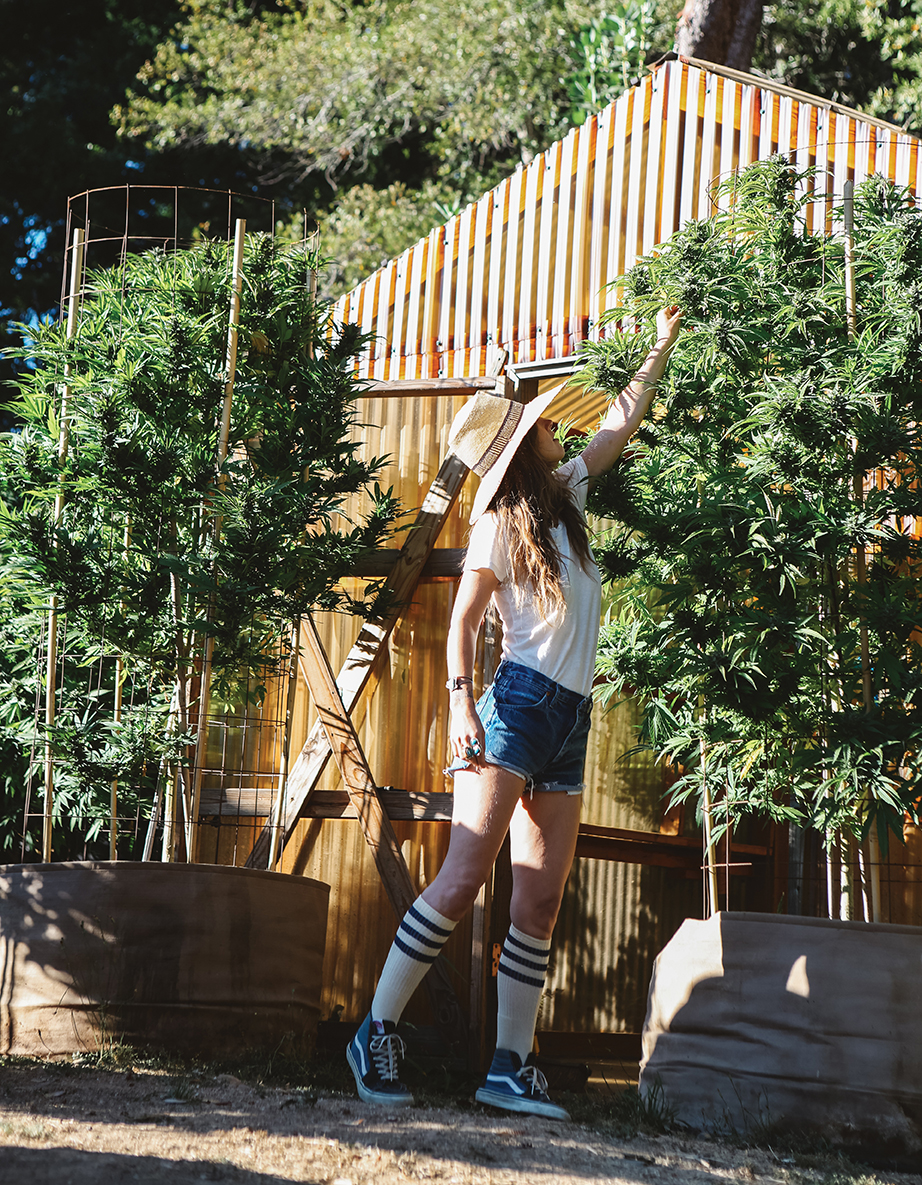
With that epiphany, he launched a new brand called Jungmaven, a combination of his last name and a personality identified in the book The Tipping Point by Malcom Gladwell called the “maven,” described as the ultimate trendsetter. Together, the company name means “young trendsetter.”
Jungmann says studying communications alongside business at Central helped him develop an interest in storytelling, uncovering the truth, and finding the direction a project or initiative was going. These revelations gave him an unexpected advantage in the business world.
“We always look ahead to see where the market is going — not just today, but years from now,” he says. “You always try to take a pulse of what’s not just around you but happening across the nation and around the world.”
The Jungmaven brand gained traction as sustainability took center stage in global conversations, and it has built a massive following around the world.
While the company’s products were gaining in popularity and leading to many positive outcomes in the industry, working with hemp still presented challenges.
“Hemp was still illegal in the U.S., which was ridiculous given its environmental benefits,” Jungmann says. “It gobbles up CO2 like no other plant, it’s incredible for the soil, and everything about it just seemed ludicrous — that this natural resource was not allowed to be grown in the States. So I took it upon myself to fix that and I did that by making something that I liked and wanted to wear. I figured that if I liked it, there was a good chance that other people would, too.”
Seeking to become a catalyst for change, Jungmaven launched the Hemp 2020 campaign to raise awareness around the positive environmental opportunities of farming industrial hemp.
“These hemp T-shirts that held up incredibly well seemed like the one product that could get out to the masses that would really change people’s minds about hemp,” Jungmann said. “Our campaign was to ‘get everyone in a hemp T-shirt by 2020,’ and people really got behind that.”
In 2018, the Agriculture Improvement Act, also known as the Farm Bill, authorized the production of hemp in the U.S.
Seven years later, Jungmaven is in the U.S., Canada, Europe, and Japan, with an upcoming tradeshow in Paris to debut a new heathered fleece fabric and hemp wool fleece, both completely new products.
“It’s been a wild ride,” Jungmann reflects. “I have met some really amazing, incredible people along the way, and I continue to as well.”