Loans
Understanding Student Loans
Learn about federal student loans at CWU—how they work, when to borrow, and what to consider before taking on loan debt.
At CWU, most students are offered federal loans as part of their financial aid package. Federal loans typically offer lower interest rates, flexible repayment plans, and deferment options while you're in school. Before accepting a loan, be sure to explore your full financial aid offer and talk to a financial aid counselor if you have questions.
How to Apply for Loans
Student loans can help bridge the gap between your financial aid and the actual cost of attending college.
Federal Loans
- Submit the FAFSA at studentaid.gov
- Accept your loan(s) in MyCWU after receiving your aid offer
- Complete:
- Entrance Counseling
- Master Promissory Note (MPN)
Private Loans
- Apply directly through a lender of your choice. CWU works with ELM Select to help with this process.
- CWU must certify your loan, so make sure your financial aid file is complete
- Compare terms carefully before borrowing
Commonly Used Loan Terms
Not sure what all the loan terms mean? Here’s a quick guide to help you understand the most commonly used language around student loans.
Cost of Attendance (COA): The estimated total cost to attend CWU for one academic year, including tuition, fees, housing, meals, books, supplies, and personal expenses.
Expected Family Contribution (EFC): A number used to determine eligibility for federal student aid, based on your FAFSA. It's being replaced by the Student Aid Index (SAI) in upcoming years.
FAFSA (Free Application for Federal Student Aid): The form you complete each year to apply for federal and state financial aid, including loans, grants, and work-study.
Subsidized Loan: A need-based federal loan. The government pays the interest while you're in school at least half-time, during the grace period, and during deferment.
Unsubsidized Loan: A federal loan that accrues interest from the time it's disbursed. You're responsible for paying the interest, even while in school.
PLUS Loan (Parent/Graduate): Federal loans for parents of dependent undergraduate students (Parent PLUS) or for graduate/professional students (Graduate PLUS). Requires a credit check.
Master Promissory Note (MPN): A legal agreement to repay your loan and any accrued interest. It's usually valid for up to 10 years of borrowing.
Entrance Counseling: An online tutorial and quiz required before you can receive your first federal student loan. It ensures you understand the responsibilities of borrowing.
Disbursement: The process of releasing loan funds to your student account. Loans are typically disbursed at the start of each quarter or semester.
Loan Servicer: A company assigned by the U.S. Department of Education to handle billing, repayment, and customer service for your federal loans.
Deferment: A period during which you can temporarily postpone payments on your loan. Interest may or may not accrue depending on the loan type.
Forbearance: A temporary postponement or reduction of loan payments due to financial hardship. Interest accrues on all loan types during forbearance.
Capitalization: The addition of unpaid interest to the principal balance of a loan. This increases the total amount you have to repay.
Loan Forgiveness: Programs that cancel part or all of your remaining loan balance if you meet certain employment or service conditions (e.g., Public Service Loan Forgiveness).
CWU News

Arts and Humanities Month continues to build momentum
October 21, 2026 by David Leder
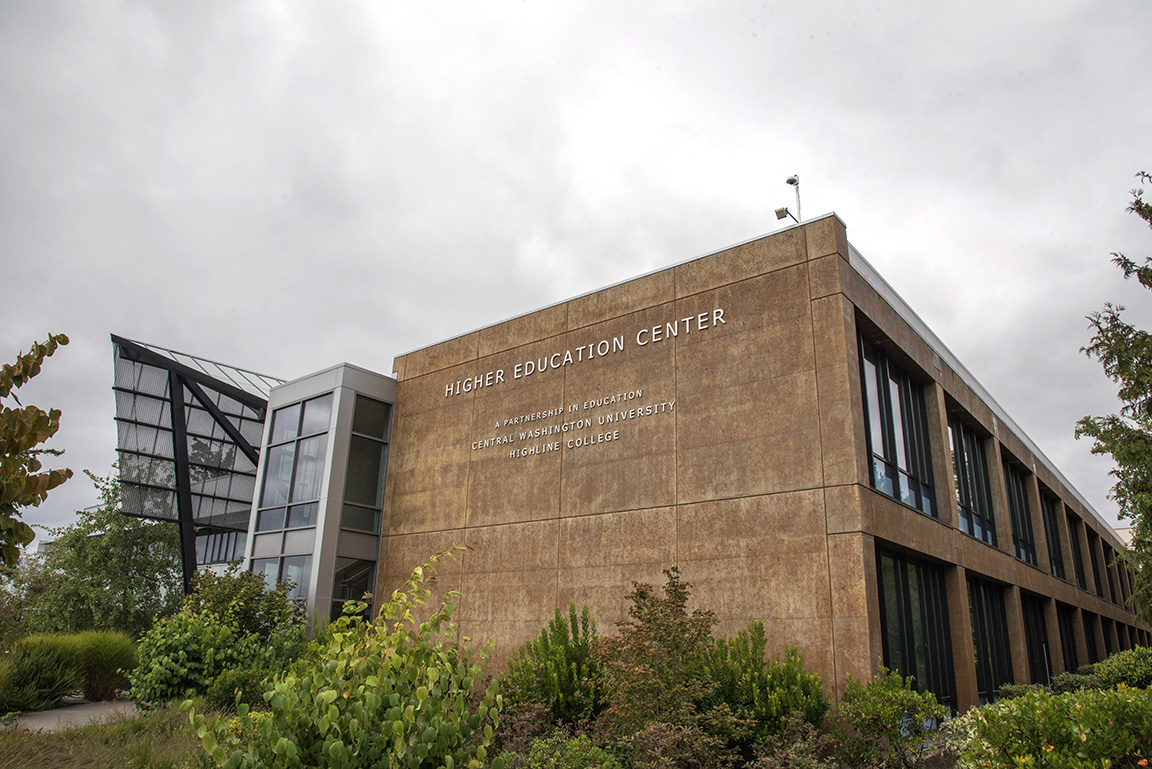
New position at CWU-Des Moines aimed at improving student experiences
October 21, 2026 by David Leder
Get Started with Financial Aid
Questions? Contact Us.
Financial Aid
Bouillon Hall 106