Mental Health Counseling Program
Mental Health Counseling
We are excited to announce the relaunch of the Mental Health Counseling Program at CWU, where we train compassionate, competent practitioners to work in a variety of settings who want to work with clients in a variety of settings on emotional, personal, social, educational, and vocational challenges. Our program is small with intense clinical training and supervision. It gives students a comprehensive understanding of professional and ethical practices, social and cultural diversity, social justice and advocacy, human growth and development, career development, assessment and research, and program evaluation.
Our program requires 90 quarter hours and usually takes just over two years to complete. The program includes two practica under close faculty supervision in the department’s training clinic and a full-time five month internship experience, during which students have the opportunity both to work with clients in community settings and to collaborate and consult with other mental health professionals.
Graduates of this program are employed in mental health agencies, family counseling centers, private practices, corporate human resource positions, correctional settings, and many others that require expertise in human development and counseling skills. The program meets the educational requirements for professional licensure as a counselor in Washington State and many other states. Please check with specific states to ensure they accept graduates of non-CACREP programs.
Program Mission and Objectives
-
Program Mission
Central Washington University’s graduate mental health counseling (MHC) program aims to identify, educate, and supervise competent mental health professionals.
Our counseling training program balances rigorous academic coursework with a progressive clinical experience. Through individualized supervision, we provide supportive feedback to facilitate students’ knowledge, skills, practice, dispositional qualities, and personal growth.
Our goal is to prepare emerging counselors with a strong sense of professional identity to meet and advocate for the diverse needs of clients. Program graduates will have the ability to provide a full range of mental health counselling services to help individuals, couples, families, adolescents, and children.
This program prepares students to serve in a variety of settings, including independent practice, community agencies, managed behavioral health care organizations, integrated delivery systems, hospitals, employee assistance programs, and similar environments. -
Program Objectives
Program Objectives: Upon successful completion of this program, students will be able to:
1. Professional Counseling Orientation and Ethical Practice
Students will cultivate a professional identity that is relevant to clinical mental health counseling and promotes client wellness as well as legal and ethical practice.
2. Social and Cultural Diversity
Students will exhibit multicultural competence by assessing for, identifying, and providing services that address unique aspects of clients’ intersectionality and cater to their distinctive needs.
3. Human Growth and Development
Students will demonstrate an understanding of human growth and development as related to counseling across the lifespan.
4. Career Development
Students will infuse career development theories and skills into their counseling practice.
5. Counseling and Helping Relationships
Students will learn to develop therapeutic relationships that promote effective working alliances, increased wellness, and change.
6. Group Counseling and Group Work
Students will apply principles of group formation as well as dynamic and therapeutic factors to facilitate ethical and culturally appropriate leadership across a range of types of groups
7. Assessment and Testing
Students will employ individual approaches to assessment and evaluation and utilize appropriate assessment tools for diagnosis and treatment planning.
8. Research and Program Evaluation
Students will know how to critically evaluate and integrate research to inform their clinical practice and program development.
9. Advocacy
Students will understand how to serve as agents of change through advocacy by empowering clients and fostering positive change within various settings while developing and applying self-care practices to sustain their well-being and effectiveness.
10. Growth and Wellness
Students will develop and demonstrate professionalism, including counselor behaviors that promote growth and wellness.
How to Apply
How to Apply
Students should submit their applications to Graduate Studies by January 10. Their application materials will include official transcripts, three letters of recommendation, a resume or curriculum vitae, and a personal statement. In the personal statement, which should be approximately 500 words, students should respond to the following prompt:
Consider graduate school as a stop sign on your professional road. Please describe the road behind you, as well as what you hope for in the road ahead.
We expect to admit up to 12 students each year to begin in September, and all students must complete PSY 363, Intermediate Statistics, or an equivalent class before their first quarter in the program.
CWU News
Arts and Humanities Month continues to build momentum
October 21, 2026 by David Leder
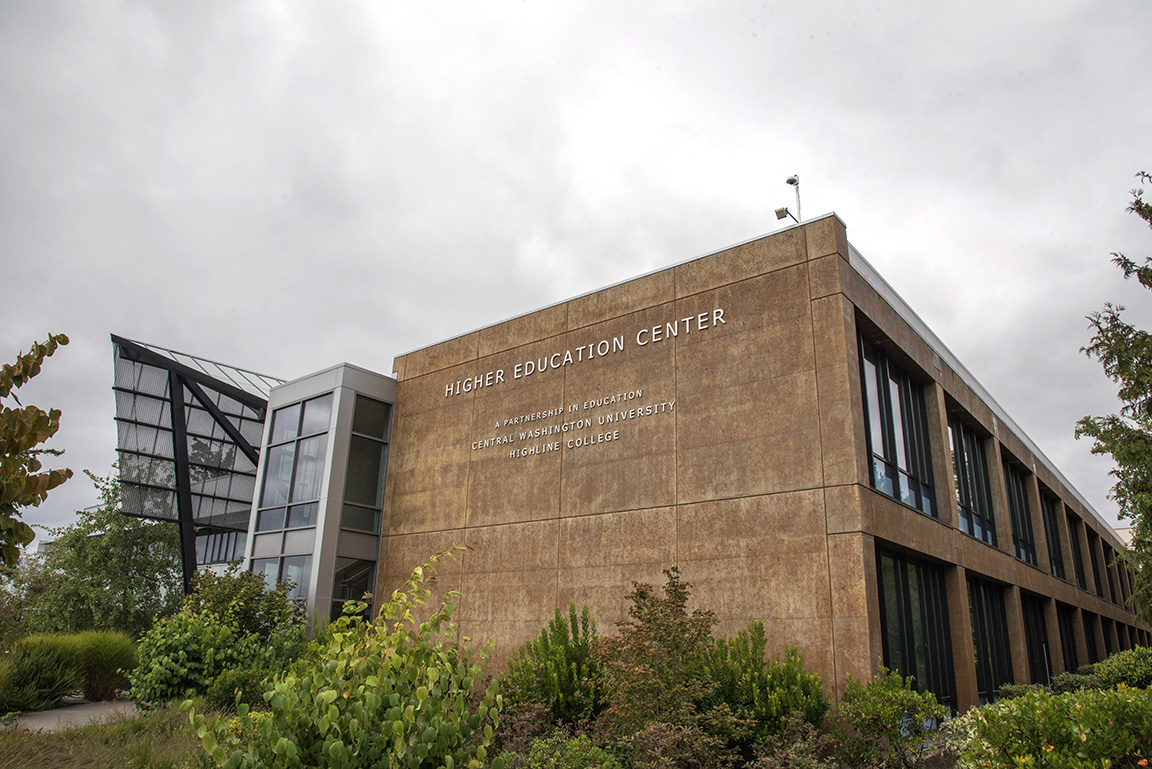
New position at CWU-Des Moines aimed at improving student experiences
October 21, 2026 by David Leder