College of the Sciences
Resource Management
Master of Science | Master of Applied Science | Graduate
Cultural and Environmental Resource Management Graduate Program
The Cultural and Environmental Resource Management (CERM) program emphasizes understanding the problems and approaches utilized in the management of both cultural and environmental resources.
Our CERM graduate program is a dynamic interdisciplinary program motivated to create stewards of both cultural and environmental resources. Drawing from a broad range of academic fields such as anthropology, ecology, economics, geography, history, and sustainability, the program fosters a deep understanding of our interconnected human and environmental landscapes.
Questions? Contact Us.
Cultural and Environmental Resource Management
Email: Megan.Walsh@cwu.edu
Phone: (509) 963-3699
Create Your Future
What You'll Study
Academic Catalog | CERM Website
MS or MAS
The Master of Science (MS) degree is a 60-credit program designed for those seeking a deeper academic focus in resource management, requiring the completion of a thesis that allows you to conduct original research and significantly contribute to the field. This program typically involves one year of core coursework where you will design and propose your thesis topic, and a second year focused on elective courses and thesis research and writing
The Master of Applied Science (MAS) degree is a 45-credit program that offers you a flexible and personalized path to enhance your applied skills, whether you're already working in resource management or looking to enter cultural, natural, or economic resource-related fields. This degree can be tailored to your needs and completed in as little as three quarters, culminating in an applied project that allows you to put your knowledge into practice.
Research Specializations and Faculty
Dr. Hope Amason – Tourism studies, cultural and museum anthropology, sociocultural anthropology
Dr. Clay Arango – Stream ecology, forest-stream connectivity, human role in stream nutrient cycling
Dr. Kevin Archer – Environmental policy, city and regional development and planning, economic geography
Dr. John Bowen – Transportation systems, economic development, human geography
Dr. Steve Hackenberger – Archaeology, cultural resource management, cultural ecology, GPR
Dr. Nicole Jastremski – Biological and forensic anthropology, bioarchaeology, mortuary analysis, paleopathology
Dr. Carla Jellum – Recreation and tourism, public land management, sustainability and climate change
Dr. Jennifer Lipton – Conservation, PPGIS/human ecology mapping, remote sensing, public land use/management
Dr. Patrick Lubinski – Archaeology, cultural resource management, zooarchaeology
Dr. Pamela McMullin-Messier – Demography, collective action, environmental justice, hazards, gender
Dr. Michael Pease – Environmental law, water allocation and policy in the American West
Dr. Lene Pedersen – Cultural anthropology, ecological, political, visual anthropology
Dr. Sterling Quinn – Crowd-sourced mapping and GIS, critical cartography, Latin America
Dr. Craig Revels – Cultural-historical geography, landscape, Latin America
Dr. Toni Sipic – Economics, environmental economics, political economy, industrial organization
Dr. Megan Walsh – Paleoecology, biogeography, wildfire, climate change, Indigenous land management
Dr. Charles Wassell – Economics, mathematical modeling of economic issues with policy implications
Dr. Claudia Wright – Gender, migration, Latin America, qualitative research

Ready to Lead
Completion of the CERM program further qualifies students for management positions in environmental, cultural, and economic resource fields who can promote wiser and more effective management of current and future resources.

Interdisciplinary Approach
Our program is highly interdisciplinary, bridging the Geography and Anthropology departments at CWU, while also drawing upon economics, law, and policy. At the forefront of your studies is the focus on environmental, cultural, and economic resource management.

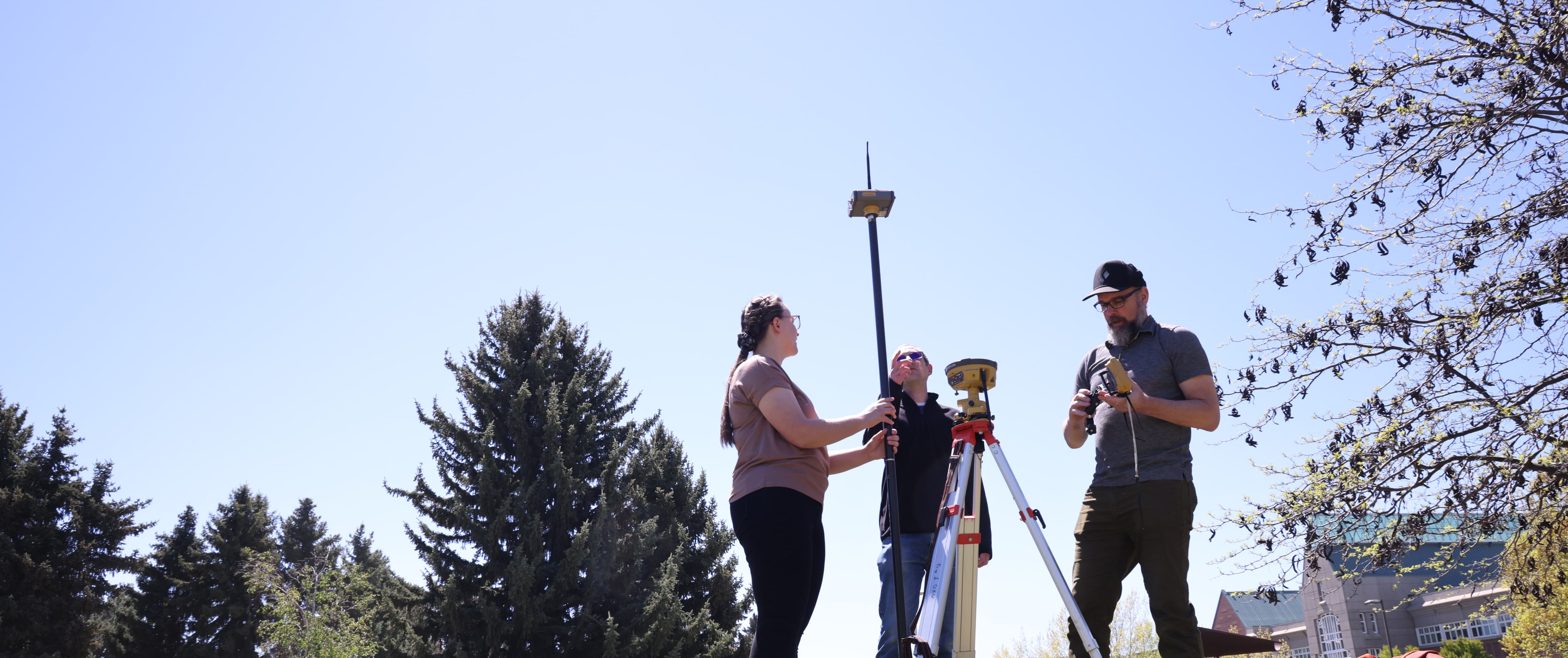
Experience in the Field
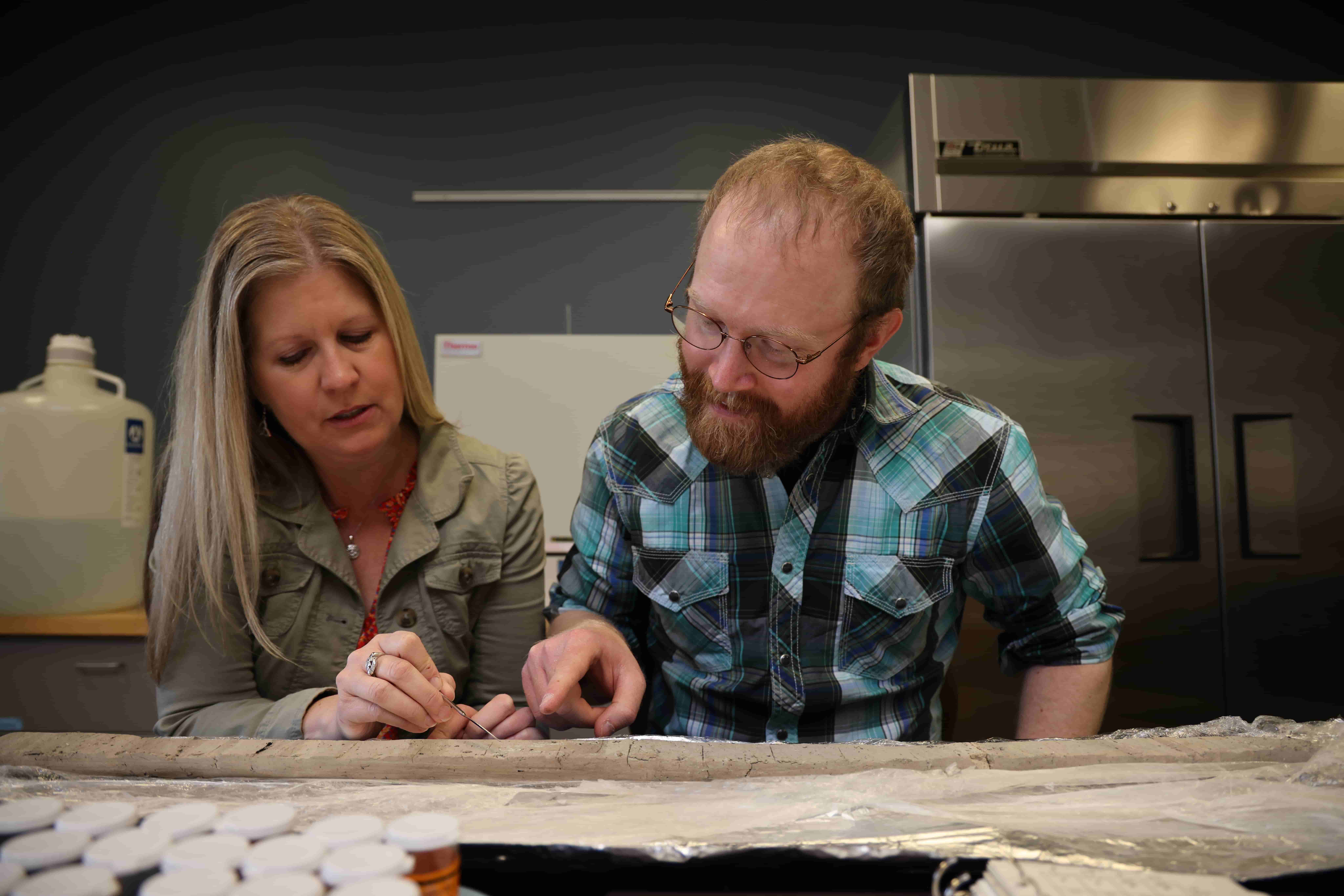
CERM 522 (Cultural and Environmental Resource Analysis) provides an opportunity to work as a team to create a professional-quality written product that compiles and analyzes cultural, environmental, and economic information on a real-world resource management topic.

Customized Coursework
Because of the interdisciplinary nature of our program, coursework can be tailored to your individual interests and career goals. Faculty research is also highly specialized, providing the opportunity to work with faculty in diverse areas of research from transportation to zooarchaeology.

Apply
Discover how to apply to your program of choice at Central.

Financial Aid
Our Financial Aid staff are here to help you navigate financial aid.
Student Life
Pursue your interests in a supportive community. Learn more.

Visit
The best way to discover what makes CWU so special is to experience it yourself.
Experience the Program
Learn how this program can work for you.
Employment Rate
In addition to a excellent job placement rate, many students are offered professional positions before they finish the program.
Abundance
An Indeed.com search for resource management-type jobs, it shows strong demand with more than 60,000 jobs nationwide.
Scholarships
In addition to scholarships available in our interdisciplinary departments, we also offer CERM-specific awards.
Why Study Resource Management at Central?
- Faculty will work with and mentor you to complete your thesis or applied research project, emphasizing fieldwork and collaboration with cultural and natural resource management agencies, companies, and Tribal organizations.
- Class sizes are small, averaging no more than 15 students in core courses and no more than 30 in elective courses, creating a collaborative and supportive learning environment.
- Familiarize yourself with the tools of the trade as you work in state-of-the-art research labs including our Lithic Lab, Zooarchaeology Lab, Geomorphology Lab, Paleoecology Lab, and Geographic Information Systems Lab.
Outcomes and Opportunities
Environmental Scientists & Specialists
Professional Archaeologists
Cartographers and GIS Analysts
Cultural Resource Managers
Conservation Scientists & Foresters
Urban and Regional Planners
Archivists and Conservators
Commitment to a Sustainable World
Central Washington University is committed to integrating sustainability across academics, operations, and campus life. Many CWU programs embed sustainability-related concepts, skills, and applied learning that prepare students to think critically about their impact on the world around them.
CWU is nationally recognized for this work through the AASHE STARS Gold rating, reflecting our dedication to transparency, environmental stewardship, and continuous improvement.
Sustainability courses include:
- CERM 501 Introduction to Cultural and Environmental Resource Management
- CERM 502 Policy and Law in Cultural and Environmental Resource Management
- CERM 506 Cultural and Environmental Resource Management Colloquium
- CERM 562 Issues and Conflicts in Cultural and Environmental Resource Management
- CERM 522 Cultural and Environmental Resource Analysis
- CERM 540 Ecology and Culture
Learn more about CWU’s sustainability efforts through the Office of Sustainability, explore CWU’s national sustainability recognition, or view the full AASHE STARS report.