
College of Arts and Humanities
Graphic Design
Bachelor of Fine Arts | Major
Art, BFA—Graphic Design Specialization
Our Graphic Design Bachelor of Fine Arts empowers aspiring designers like you to unleash their creativity.
Rooted in the fusion of traditional artistry and contemporary design principles, you will explore dynamic classes that study the depths of graphic design. From visual storytelling to brand strategy, typography to user experience, you will be equipped with the skills needed to captivate audiences in today's visually driven world.
Questions? Contact Us.
Department of Art + Design
Randall Hall 100
Do Something Great
What You'll Study
Academic Catalog | Course Plan | Art and Design Website
Careers in Graphic Design
Brand Designer | Shape the visual identity of businesses by creating logos, color palettes, and marketing materials that define a company’s image.
UX/UI Designer | Design intuitive and engaging digital experiences for websites, apps, and software, ensuring seamless interaction between users and technology.
Freelance Designer | Work independently with a variety of clients, managing your own projects in branding, web design, illustration, and more.
Marketing Designer | Develop eye-catching graphics for advertisements, social media, and promotional campaigns that connect brands with their audiences.
Packaging Designer | Combine creativity and functionality to design product packaging that stands out on shelves and communicates brand identity effectively.

Exhibition Opportunities
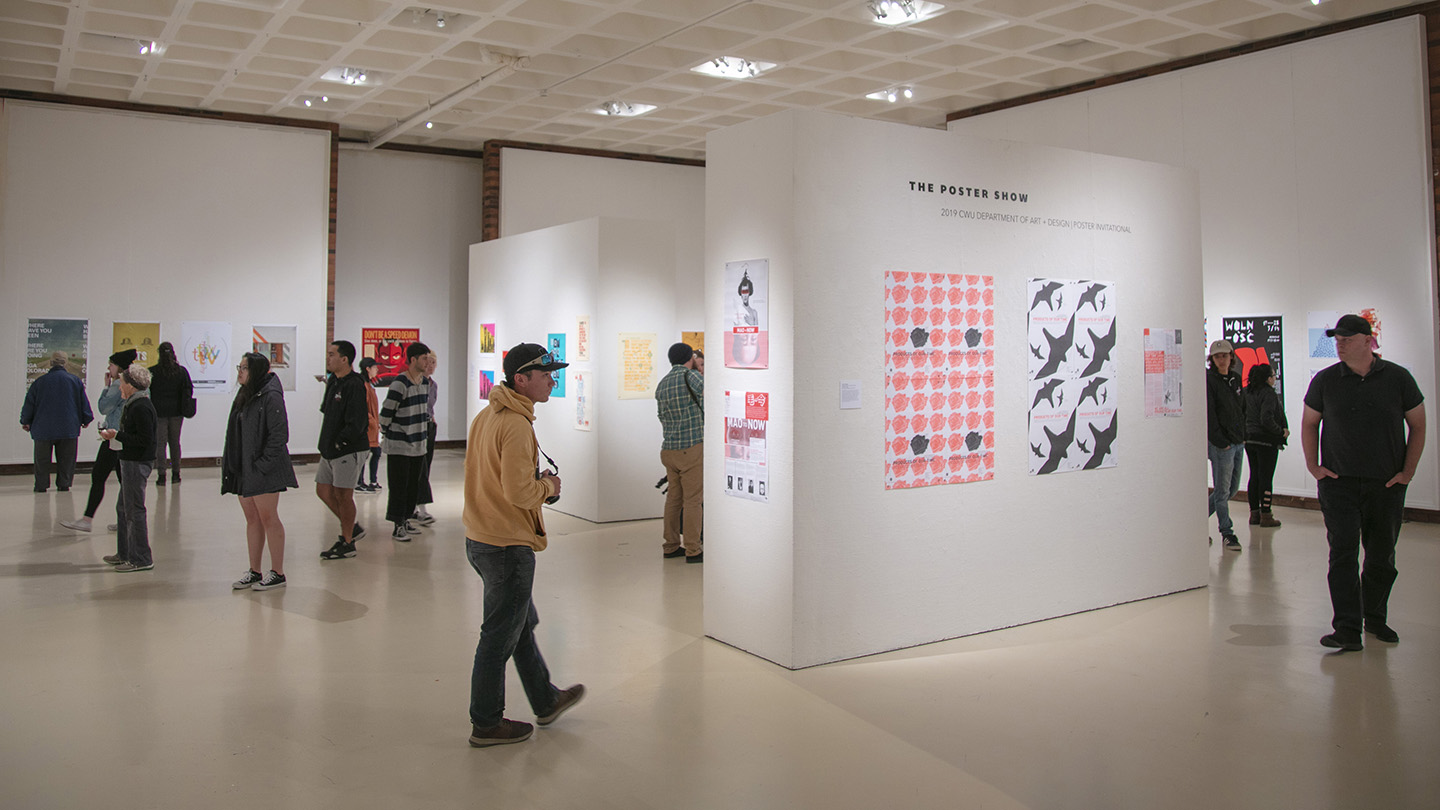
Share your work in the Sarah Spurgeon Gallery for the annual juried undergraduate exhibit in the spring each year.

Small Classes
Benefit from a low student-to-faculty ratio that ensures you receive individual mentorship and guidance from nationally and internationally recognized artists and scholars dedicated to your growth.

Become a Professional
Develop the creative and technical skills needed for a successful career in branding, UX/UI design, and visual communication. Through coursework focused on digital and print media, you’ll learn how to craft compelling designs that engage your audience.

Typography
In ART 274, explore the history and application of typography as a powerful tool for visual communication. Learn to design with type, create layouts, and develop print-ready projects using industry-standard software.

Apply
Discover how to apply to your program of choice at Central.

Financial Aid
Our Financial Aid staff are here to help you navigate financial aid.

Student Life
Pursue your interests in a supportive community. Learn more.

Visit
The best way to discover what makes CWU so special is to experience it yourself.
After Graduation
As a graduate, you'll be ready to showcase your design portfolio, pursue advanced studies in MFA programs, and launch a career in fields such as branding, UX/UI, or digital media.
and Practice
Develop your creative voice by researching historical and contemporary artists while producing original work. You’ll refine your techniques, expand your artistic perspective, and build a portfolio that reflects your unique vision.
Community
Become part of a thriving community of over 350 art majors and minors, where you’ll collaborate with fellow creatives and learn from 20 dedicated faculty members.
Why Study Art and Design at Central?
- Join a vibrant community of artists, designers, and scholars who are passionate about visual storytelling and creative expression.
- Work in specialized studios for ceramics, painting, photography, sculpture, jewelry, and more, designed to support your artistic growth.
- Showcase your work in student and professional galleries, participate in internships, and connect with industry professionals.
In-Demand Industries
Graphic designers are in demand across many industries, including:
- Advertising and Marketing
- Technology and Software Development
- Publishing
- Fashion and Retail
- Education
- Nonprofits and Government
- Corporate Branding
More Than Just Making Things Look Good
CWU’s Graphic Design program goes far beyond software skills or logo creation.
It immerses students in the full creative process, from building a strong art and design foundation to understanding systems-thinking, user experience, and the wide-ranging careers designers can pursue. With mentorship from industry-connected faculty and real opportunities across campus and beyond, students graduate ready to contribute meaningfully to the design field.
“Design does not exist in a vacuum… we focus on systems thinking, where each project involves whole families of designed artifacts—all parts of a much larger system within each brand.” — David Bieloh