CWU Museum to Host Panel about Hanford site on April 13
- April 6, 2023
- No Author
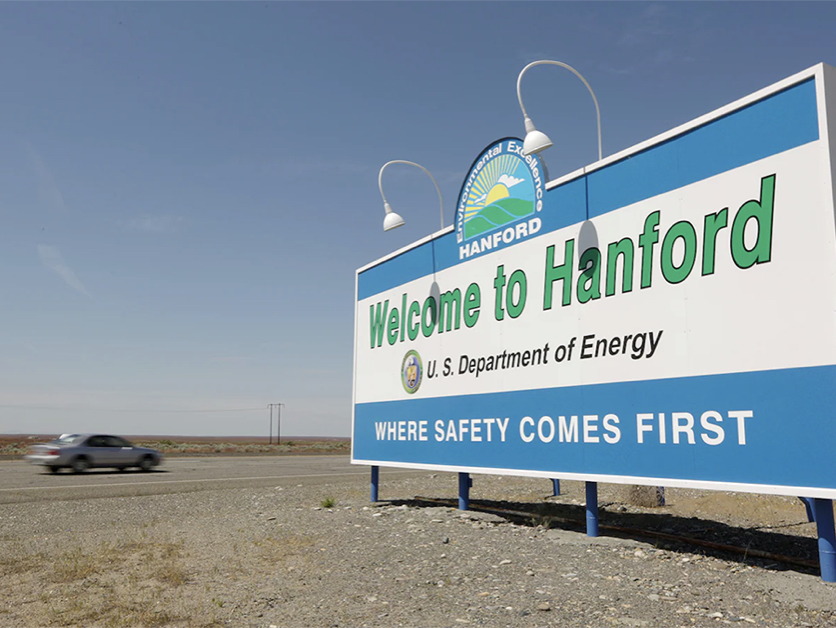
What is it like to live in the shadow of Hanford Nuclear Reservation, one of the most radioactive places on the planet-a place that is both teeming with life that has also been a longtime source of destruction and death?
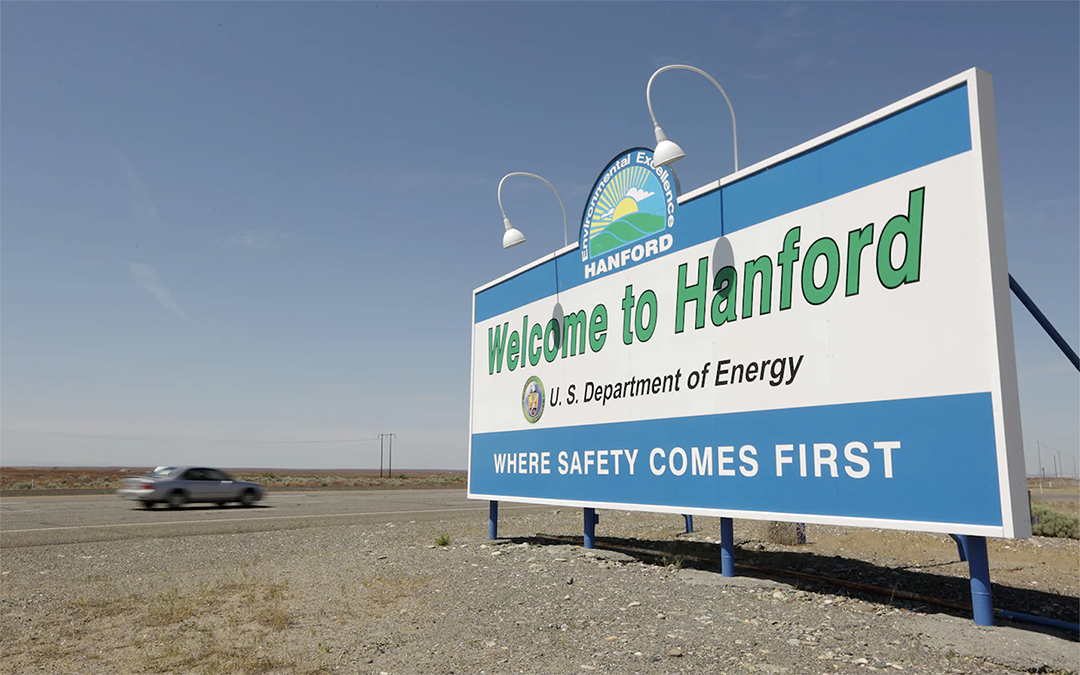
The CWU Museum of Culture and Environment (MCE) will explore this question and more when it hosts a panel discussion Thursday, April 13, titled "In the Atomic Field: The Long Reach of Hanford Nuclear Reservation." The panel will begin at 5:30 p.m. and is organized by artist Glenna Cole Allee. She will be joined by scholar Emily Washines (enrolled Yakama Nation tribal member with Cree and Skokomish lineage), artist Roger Peet, and anthropologist and former MCE director Mark Auslander, who will moderate the discussion.
The artists will share their work and discuss the global reach of the atomic project, from its beginnings in World War II to its continued health impacts today, both temporal and geographic-with a focus on the Hanford Site, one of the most radioactive places on Earth.
Allee will discuss the paradoxical narratives that enshroud Hanford as they are reflected in the multi-disciplinary art installation Hanford Reach: In The Atomic Field, currently on exhibit at WSU Tri-Cities in Richland. The work is focused upon a terrain that holds indigenous sacred sites, a nuclear reactor reimagined as a museum, and a 24,000-year no-go contaminated zone.
The installation is named for an area that was an atomic buffer zone for decades that is now a wildlife refuge, and a national monument. Allee will also be signing copies of her recently published book Hanford Reach: in the Atomic Field (Daylight Books, 2021), which draws its content and its name from the installation. The exhibition can be seen through June 1 at the Washington State University Art Center Gallery, 2770 Crimson Way in Richland.
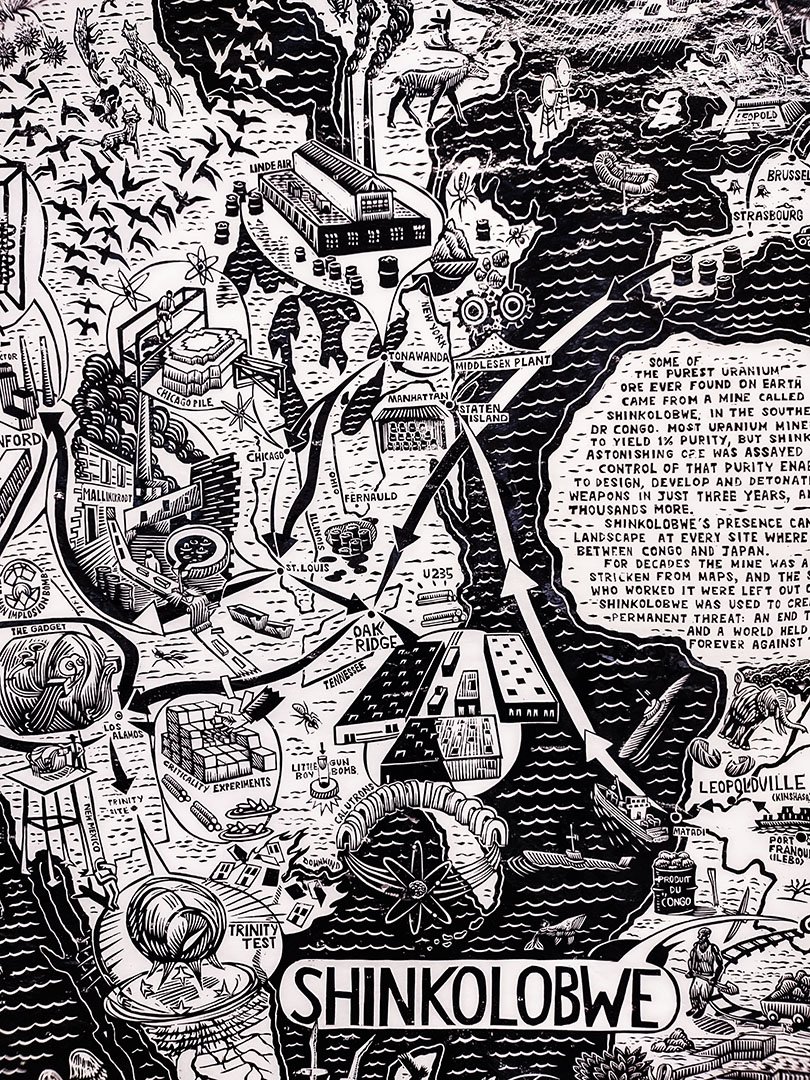
Also during next Thursday's panel, Peet will discuss the Shinkolobwe mine-in what is now the Democratic Republic of the Congo-that sourced nearly all of the uranium used in the Manhattan Project. Vastly more concentrated and powerful than any other deposit of uranium found anywhere else on Earth, the Shinkolobwe ore made possible an apocalyptic effort of engineering that has transformed the way that power works in the modern world.
The mine's exploitation has left a legacy of contaminated territories, poisoned communities, and a gross shadow of atomic devastation which echoes through our most popular contemporary stories, and clouds our ability to imagine a different world.
Washines, who has an MPA from The Evergreen State College, is an historian and educator who promotes Native perspectives, languages, particularly Ichiskiin (Yakama language), and lifestyles. She also engages in historical research, connecting with descendants from both sides of the 1850s Yakama War in order to foster dialogue about how the War is remembered and what this means today.
Auslander is the author of a chapter in Allee's book, "Long Exposures: Traveling Along Glenna Cole Allee's 'Hanford Reach.'" During his time as director of the MCE, Auslander co-developed (with Washington Physicians for Social Responsibility) an exhibit that showcased artists and scholars whose lives are entangled with the long-term social, cultural, and health-related impacts of Hanford, Particles in the Wall (2013). During the panel discussion, Auslander will ask attendees to consider the contradictions that arise when "invisible" ionizing radiation is manifested in highly visible scars that continue to shape the mental, spiritual, and physical well-being of those who live in Hanford's long shadow.
For more information about this and other events at the MCE, visit cwu.edu/museum or call 509-963-2313. The MCE is open Wednesday-Saturday from 10 a.m. to 4 p.m. Parking on the CWU campus is free all day Saturday and after 4:30 p.m. weekdays.
CWU News
Arts and Humanities Month continues to build momentum
October 21, 2026 by David Leder
New position at CWU-Des Moines aimed at improving student experiences
October 21, 2026 by David Leder
Contact
Hope Amason
Museum