New partnership to help adult learners turn experience into college credit
- November 9, 2026
- David Leder

Prior Learning Assessment initiative expands opportunities for non-traditional degree attainment
Adult learners with extensive professional experience and industry credentials stand to benefit from a new initiative that Central Washington University is launching in partnership with the Washington Student Achievement Council (WSAC).
Through the Prior Learning Assessment (PLA) program, individuals who hold work experience, certifications, and licenses in their field would qualify for college equivalency credits.
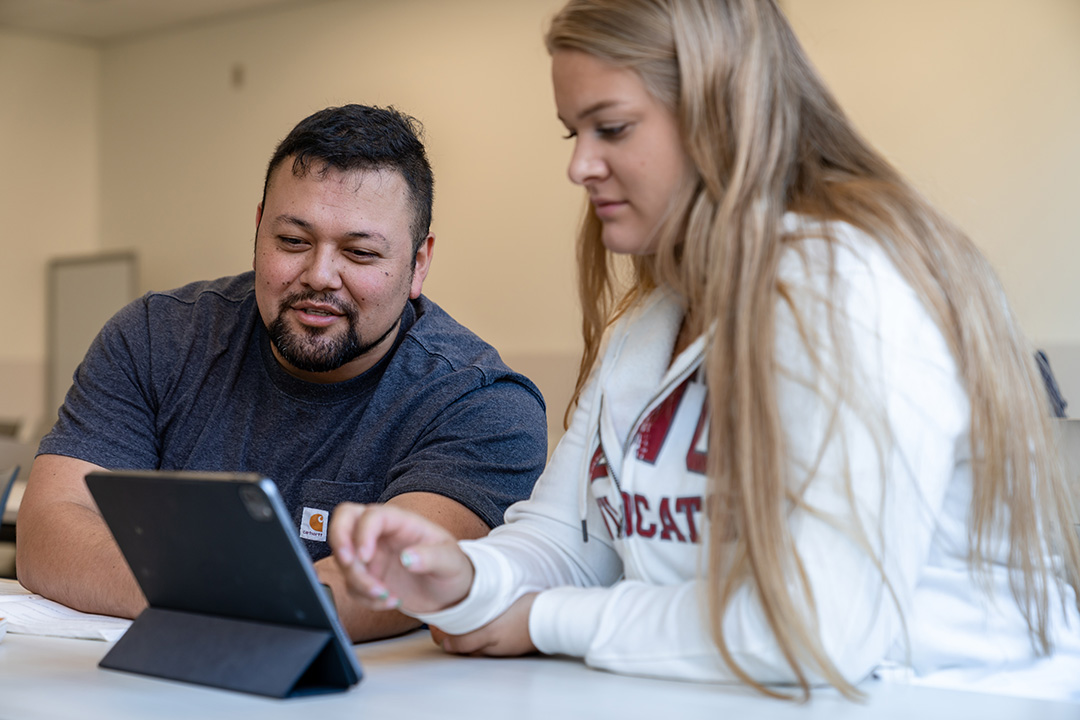
The new program falls under WSAC’s Academic Credit for Prior Learning (ACPL) initiative, which resulted from a statewide working group across multiple sectors, including labor and business leaders, designed to help individuals with on-the-job experience earn college credits that will advance their careers.
At CWU, the PLA initiative reflects a broader commitment to expanding educational access, supporting workforce development, and helping more Washington residents achieve their academic and career goals.
“Many adults have developed valuable college-level knowledge and skills through their careers, military service, industry certifications, and life experiences,” said Sathyanarayanan Rajendran, Dean of the College of Education and Professional Studies (CEPS). “Our responsibility is to recognize that learning, reduce unnecessary barriers, and create pathways that help learners translate their experiences into meaningful academic progress and career advancement."
By recognizing college-level learning acquired through professional, military, and community experiences, CWU is seeking to create more flexible pathways for adult learners to complete degrees and advance their career objectives. Under the PLA program, adult learners would be eligible for up to 45 credits that would be applied to their chosen undergraduate degree program. Those who have some college credit but no degree are also encouraged to apply.
CWU is one of two pilot institutions, along with Clover Park Technical College in Lakewood, tasked by WSAC to design and develop ACPL programs aimed at helping people with prior learning experience augment their résumés with college credit. Applicants’ backgrounds may also include military training, work experience, formal noncollege learning, volunteer work, and other life experiences.
According to a 2022 report, 36.8 million people between 18 and 64 years old had some college education but no degree, and research has shown that students who received ACPL are more likely to finish their degrees than those who do not.
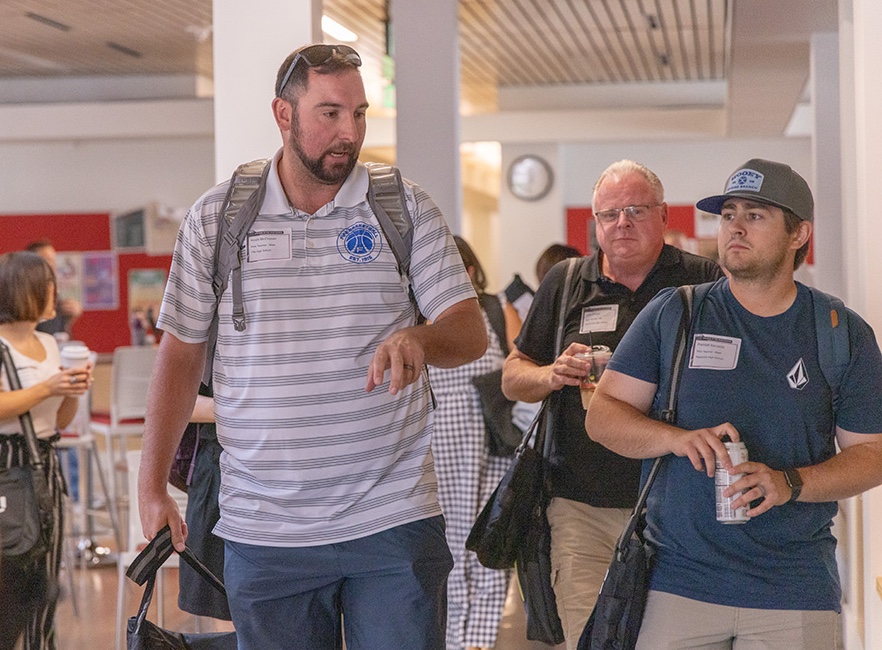
“There’s a lot of learning that takes place beyond a traditional college campus, and programs like these will give students new ways to engage with higher education,” said Inez Olive, Senior Director of Career Pathways at WSAC. “This is a whole new market that we haven’t yet tapped into, and we believe that when people realize they can leverage their prior learning experience for college credit, there’s going to be a lot of interest.”
Olive explained that the push toward increasing prior learning credit opportunities originated in 2011 under a Washington state statute designed to support adult learners who want to complete certificates and degrees. WSAC believes moving in this direction will be key for Washington to meet its goal of helping at least 70% of adults ages 25-44 earn a postsecondary credential.
But until now, the effort has been fragmented across the state’s higher education institutions, with varying levels of engagement and success. All 40 public colleges and universities in Washington are required by law to have an ACPL plan in place, but the reality is that few prospective students know the programs even exist.
“It’s good that we have a statute, but that doesn’t mean all of the work that needs to get done is getting done,” Olive said. “There’s very little awareness, and the programs are not streamlined across institutions, which creates additional challenges as we try to streamline our efforts.”
This month, WSAC introduced a Paraeducator Credit for Prior Learning (CPL) pilot, in partnership with CWU and the Professional Educator Standards Board, that is designed to convert state-required paraeducator training and verified classroom experience into college credit.
Olive pointed to a number of potential hurdles for prospective ACPL students, including the affordability of the credit evaluation process and the possibility of certain credits not transferring.
“Students have to pay for the evaluations, and for the credits to count, the evaluations can’t be covered by financial aid,” she said. “That’s one of the areas we’re trying to iron out because we want these programs to reduce costs for students, not add to them.”
A New Era at CWU
CWU Information Technology Management Department Co-chair and Senior Lecturer Dr. Liz Fountain explained that the prior learning credits that will be considered eligible at Central will be required to match the outcomes outlined in a specific course or degree program. Every application will undergo an evaluation by the faculty, who will make the determination about whether credit will be granted.
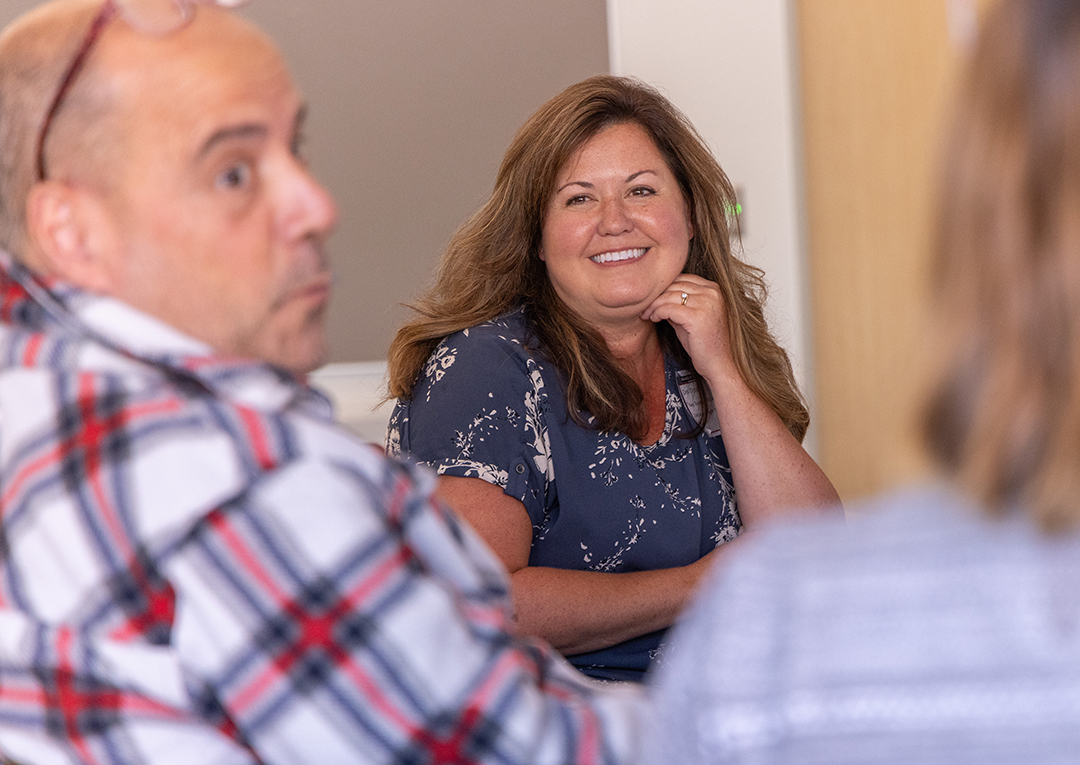
“Our goal is to assess the learning, regardless of where that learning occurred,” said Fountain, who has been involved in the PLA program for the past six years. “Instead of having students repeat coursework covering knowledge and skills they've already mastered, we can award academic credit for demonstrated learning that moves them closer to completing their degree.”
CWU has made significant progress on its PLA program over the past year, and CEPS has emerged as a campus leader in advancing prior learning opportunities, helping develop processes, faculty training, and industry partnerships that can support learners across the university.
Fountain noted that other CWU programs have expressed interest in developing additional credit for prior learning opportunities for their students, but CEPS has jumped to the forefront because its degree offerings already serve a large number of adult learners.
During phase 1 of the launch, there are five CEPS degree programs that will be participating in the ACPL initiative: IT Management, Emergency Medical Services (EMS)/Paramedicine, Aviation Management, Risk Management, Occupational Safety and Health Management, and Professional Studies. Two CEPS master’s degree programs are planning to offer PLA credit to adult learners who qualify, while the Law and Justice department in the College of Sciences will also participate in the initial rollout.
“We are already reaching out to that population, and we have identified a ton of opportunities that align well with our content areas,” Fountain said. “Our goal is to design systems and processes that can be used across the university, because what we really want is to help the entire university succeed.”
CWU’s goal with the PLA program is to contribute to the state’s 70% postsecondary credential goal. At present, less than 1% of CWU’s graduates are receiving prior learning credit in the way the PLA program envisions.
As CWU continues developing partnerships with employers, industry organizations, and state agencies, university leaders believe PLA will play an increasingly important role in expanding educational opportunity, strengthening Washington's workforce, and helping more adults earn the credentials needed to thrive in a rapidly evolving economy.
Rajendran and his colleagues would like to disrupt the conventional approach to higher education, helping individuals, the university, and the overall state economy in the process.
“Prior Learning Assessment is about meeting learners where they are and recognizing the value of what they already know,” he said. “By helping students earn credit for demonstrated learning, we can reduce both time and cost to degree completion while expanding access to higher education for working adults across Washington.”
With WSAC’s support, Fountain sees tremendous potential for the PLA initiative at Central, specifically by focusing on industry certification “crosswalks” and partnership opportunities with industries and companies who are seeking to upskill their workforce.
“We believe we can move the needle substantially,” she said. “If we can remove barriers by shortening the amount of time and money it’s going to cost someone to get a degree, they will be much more likely to finish. And by acknowledging the learning they’ve already done, that creates a sense of confidence in their skills that will help them persist.”
CWU News
Arts and Humanities Month continues to build momentum
October 21, 2026 by David Leder
New position at CWU-Des Moines aimed at improving student experiences
October 21, 2026 by David Leder