Construction Industry Pathways
Central Washington University
Bridging the gap between classroom education and industry.
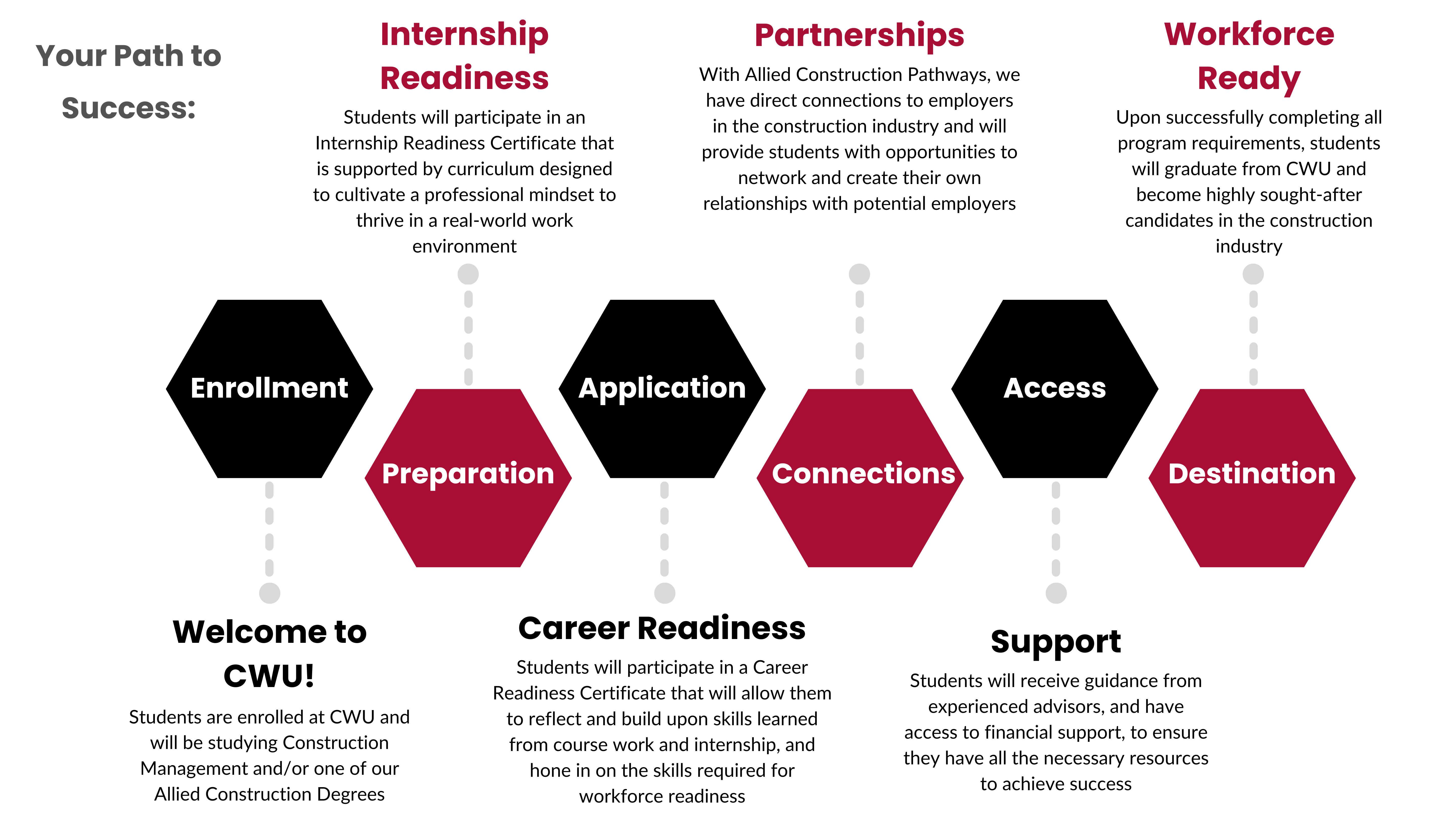
Build Skills That Turn into Careers
We offer seven pathways designed to prepare you for impactful roles across the industry.
- Business Administration
- Construction Management
- Engineering Technology
- Information Technology Management
- Public Health
- Risk, Insurance, and Safety Management
- Safety and Health Management
From planning and coordination to fieldwork and collaboration with stakeholders, your path starts here—with the tools, support, and experience you need to thrive.
Enter a Growing Field with Real Career Potential
Predicted Growth
The U.S. Buerau of Labor Statustics (BLS) predicts strong growth in construction and extraction jobs from 2023-2033, with more openings than most other industries. Each year, about 663,500 jobs are expected to become available, both from new positions and from replacing workers who retire or leave the field.
Career Opportunities
Graduates of our program are well-prepared for careers across commercial, civil, and specialty construction, both locally and internationally. The construction industry offers a wide range of professional opportunities, with Washington State supporting some of the nation’s highest average wages.
Hands-On Learning
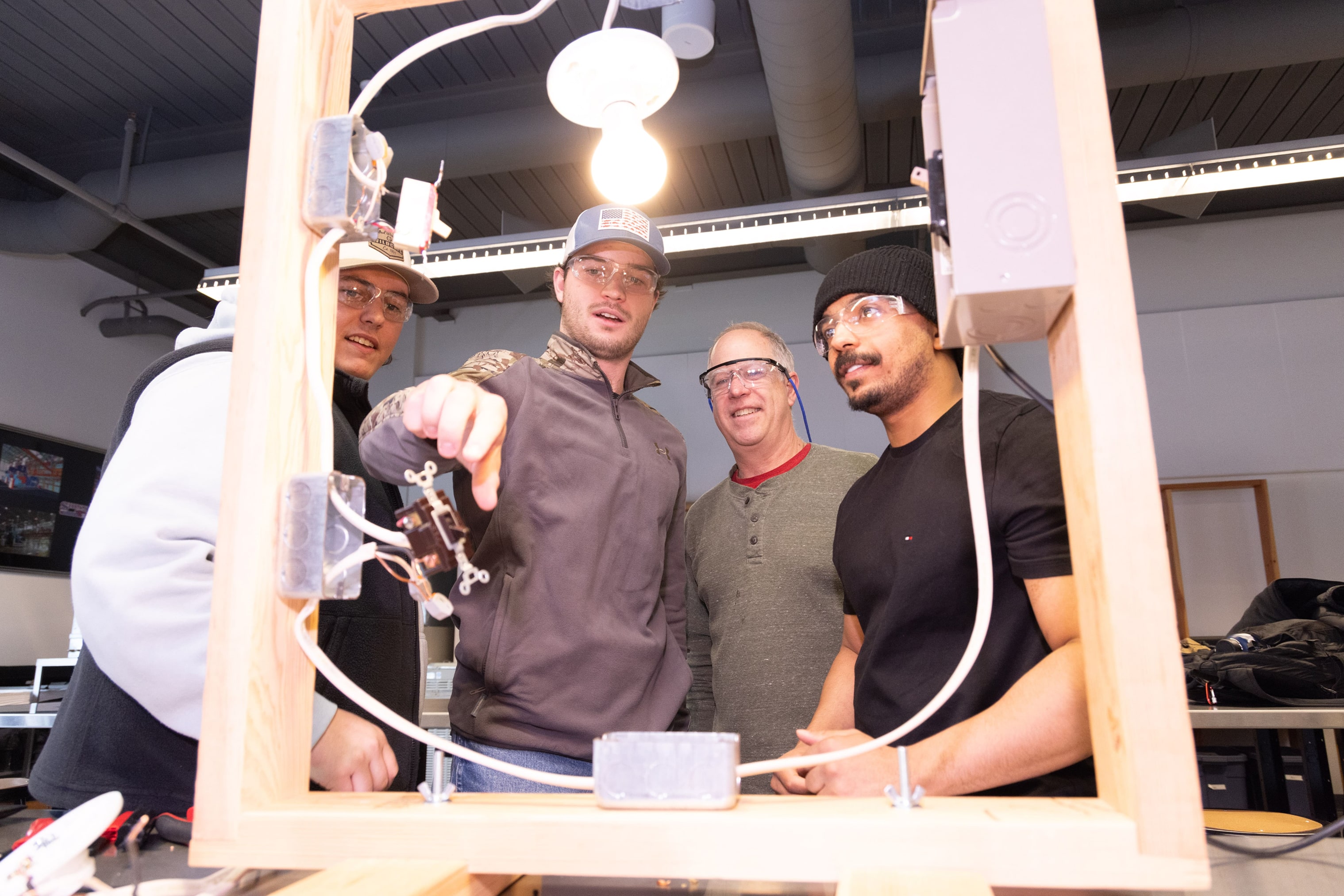
You’ll work alongside industry partners to help manage and complete real-world construction projects. Plus, you can earn certificates in internship and career readiness—designed to give you a head start in the construction field.

We want to see even more students gain real-world, paid working experience before they graduate. With our expert faculty and the strong relationships we have built with our industry partners, we will be able to train more workforce-ready students than our competitors.
Sathy Rajendran, Dean of the College of Education and Professional Studies